中文 (中国)
 Tiếng Việt
 한국어
한국어
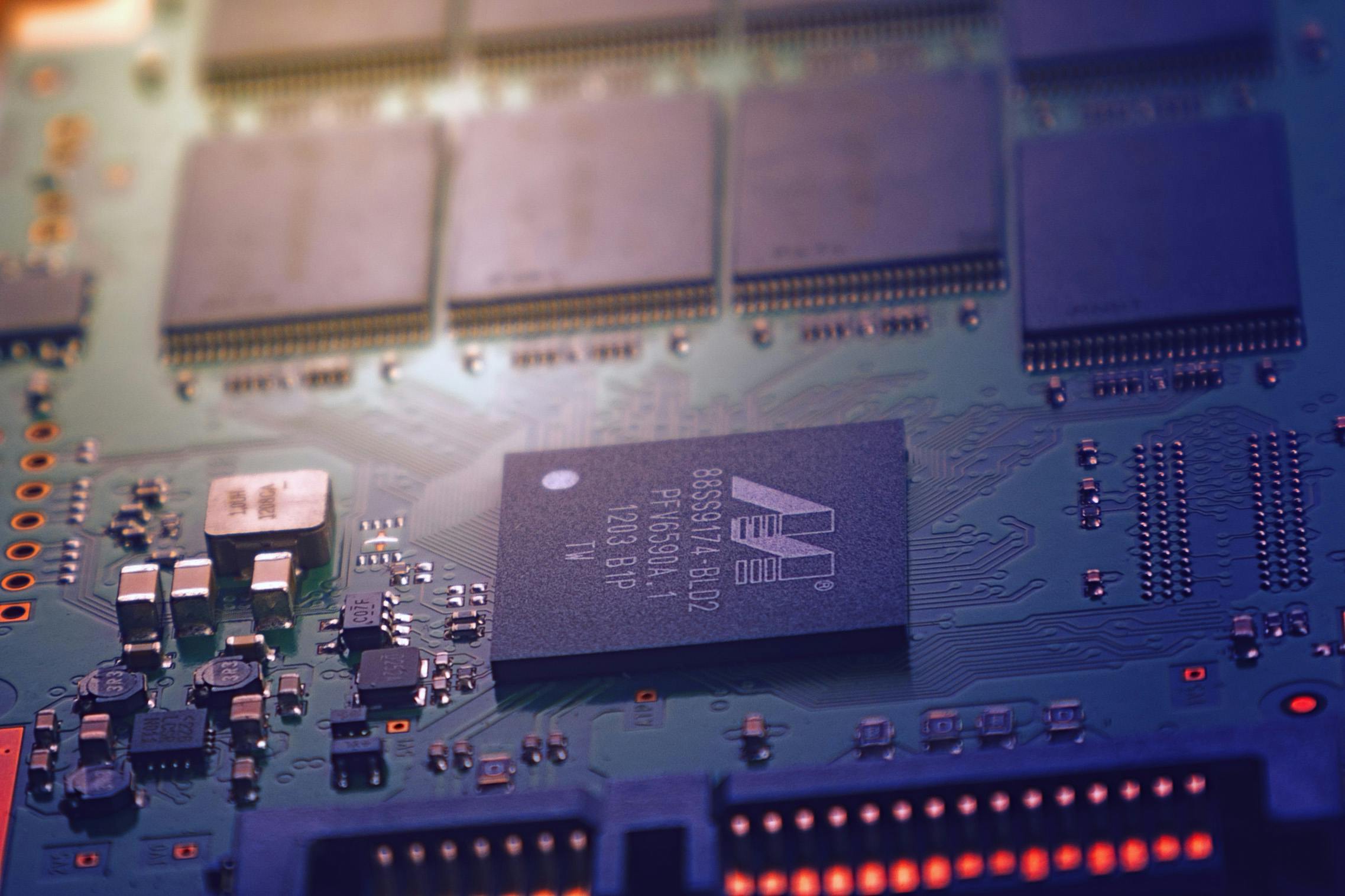
In the modern manufacturing era, ensuring absolute adhesion on traditionally “difficult” materials like PP, PE plastics, or special metal alloys is a massive industrial challenge. The plasma surface treatment machine has emerged as a revolutionary solution, completely replacing toxic traditional chemical methods. This comprehensive article will deeply analyze everything from the structural components to the nanoscale activation mechanisms of the plasma cleaner, helping businesses optimize their production lines for maximum efficiency.
1. What is an industrial plasma surface treatment machine?
1.1. The intersection of quantum physics and surface chemistry
Surface modification utilizing a plasma surface treatment machine is not merely a standard technical step; it represents the sophisticated intersection of quantum physics and advanced surface chemistry. Plasma, widely recognized as the fourth state of matter, exists as a highly ionized gas containing a volatile mix of free electrons, positive ions, and extremely high-energy neutral particles. When materials are exposed to this environment, their molecular characteristics change dramatically.
According to peer-reviewed research from the specialized journal Applied Surface Science in their detailed paper “Surface modification of polypropylene using argon plasma: Statistical optimization of the process variables”, the application of targeted plasma helps drastically improve surface energy. The study confirmed an increase from a low average of 28-30 dyne/cm up to over 72 dyne/cm. This elevated dyne level is the exact ideal threshold required for various industrial adhesives, structural glues, and UV inks to bond sustainably and permanently without flaking over time.
1.2. Atmospheric plasma vs. vacuum plasma systems
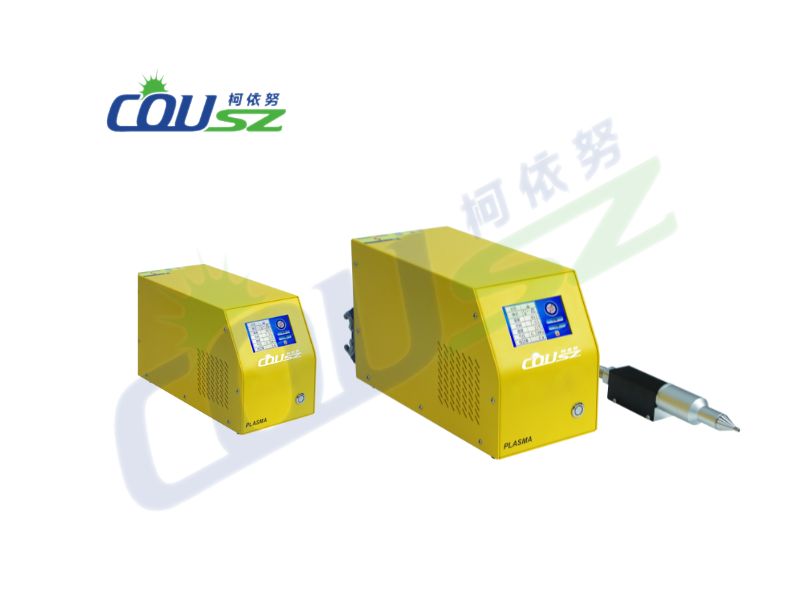
To cater to diverse manufacturing demands, a modern plasma surface treatment machine is generally divided into two main categories: atmospheric plasma (working in open air) and vacuum plasma (working in a low-pressure chamber). The choice between these two powerful technologies depends entirely on the specific precision requirements, the 3D complexity of the parts, and the overall production scale of the enterprise. Atmospheric systems are ideal for high-speed inline extrusion, while vacuum systems perfectly serve batch processing of complex semiconductor components.
2. How is a plasma surface treatment machine structured?
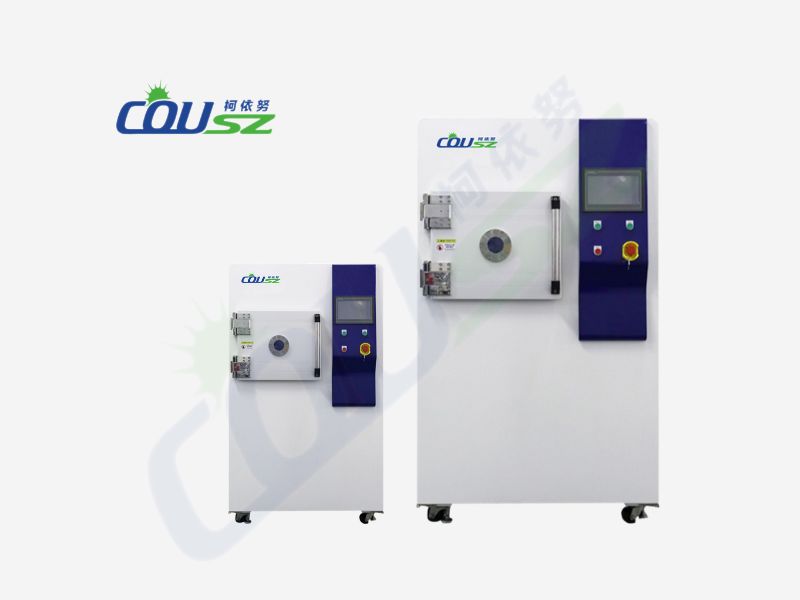
To fully understand exactly why this equipment possesses the unique capability to alter rigid material properties at the molecular level, we must dissect the core components of the machine. A standard industrial plasma surface treatment machine system typically consists of four main, highly engineered parts:
2.1. The high-frequency plasma generator
Often referred to as the “heart” of the plasma cleaner, the RF (Radio Frequency) generator is responsible for converting standard electrical energy into a high-frequency electromagnetic field. Operating typically at frequencies ranging from 10kHz up to the standard ISM band of 13.56MHz, this powerful generator provides the exact excitation energy required to forcefully ionize the incoming gas molecules, creating a stable and continuous plasma discharge.
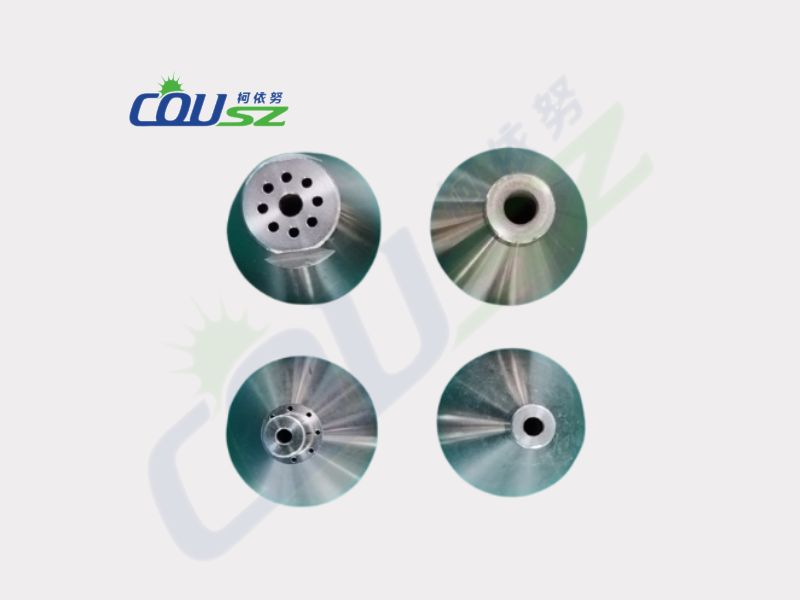
2.2. The plasma nozzle and electrode configuration
The plasma nozzle is the robust housing that contains the high-voltage electrodes. Here, as the pressurized gas stream flows through the localized electrical field, it becomes instantly ionized to form the visible plasma plume or beam. The geometric design of this nozzle is critical, as it directly determines the precise width, intensity, and focus of the treatment area on the substrate.
2.3. Gas control system and PLC automation
The gas control system meticulously regulates the flow rate and pressure of the compressed air or specialized process gases (such as high-purity Nitrogen, Oxygen, or Argon). Meanwhile, the central PLC (Programmable Logic Controller) acts as the brain. It seamlessly integrates the plasma surface treatment machine into complex, automated factory environments, easily synchronizing the plasma ignition with robotic arms or high-speed conveyor belts.
3. What is the working principle of a plasma cleaner?
How exactly does a plasma surface treatment machine operate in a real-world factory setting? The core process occurs by supplying immense energy to gas molecules through an extremely strong electrical field. When the applied energy is sufficiently high, electrons are violently stripped away from their parent atoms, instantly generating a dynamic cloud of electrically charged particles.
When this highly reactive plasma stream comes into direct contact with the target material’s surface, it simultaneously triggers two distinct types of impacts: physical and chemical.
- Physical impact: Heavy positive ions continuously bombard the surface at an atomic scale, forcefully dislodging microscopic contaminants and deeply ingrained dirt.
- Chemical impact: Highly energetic free radicals within the plasma stream react aggressively with the substrate’s outer surface to forge entirely new chemical functional groups.
3.1. The 5-step ionization and surface activation process
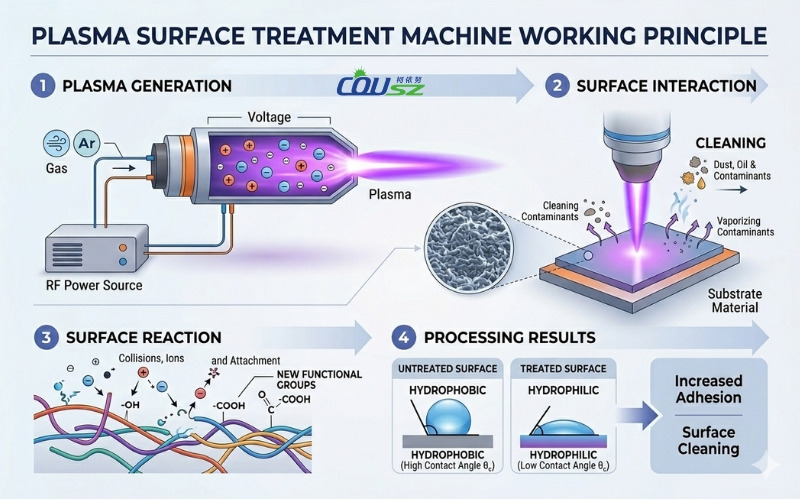
The working principle of the plasma surface treatment machine unfolds through a clear, sequential chain of physical steps, efficiently cleaning and activating the material surface to boost adhesion for glues, printing inks, and protective coatings.
- Step 1: Generating plasma through gas ionization. The machine applies a high voltage to the internal electrodes, aggressively stimulating air or industrial gases (O₂, N₂, Ar) into the plasma state. This resulting plasma is dense with high-energy ions, electrons, and active radicals.
- Step 2: Spraying plasma onto the material surface. The directed plasma stream is guided precisely toward the substrate requiring treatment. The active particles collide directly with the outermost molecular layer of the material.
- Step 3: Microscopic dry cleaning. The plasma immediately decomposes and obliterates grease, oils, dust, and stubborn organic impurities without requiring any liquid chemical solvents, achieving absolute cleanliness at the micro-level.
- Step 4: Activation and surface energy enhancement. The intense ionization process creates new, highly polar functional groups. This massively increases the surface energy and wettability, thereby dramatically improving the substrate’s adhesion capacity.
- Step 5: Stabilizing the adhesive bond. Following the brief treatment cycle, the material surface is perfectly prepped and ready for subsequent printing, gluing, or coating stages, guaranteeing a high-strength, long-term stable bond.
3.2. The rise of cold plasma technology
Today, numerous high-tech enterprises are transitioning to utilizing Cold Plasma technology. Because this specific variation operates at remarkably low temperatures (typically < 40°C), it guarantees absolute thermal safety. It can seamlessly treat ultra-thin polymer films, delicate medical tubing, or highly sensitive electronic components without causing any thermal warping, melting, or structural deformation.
4. How does the nanoscale plasma cleaning mechanism operate?
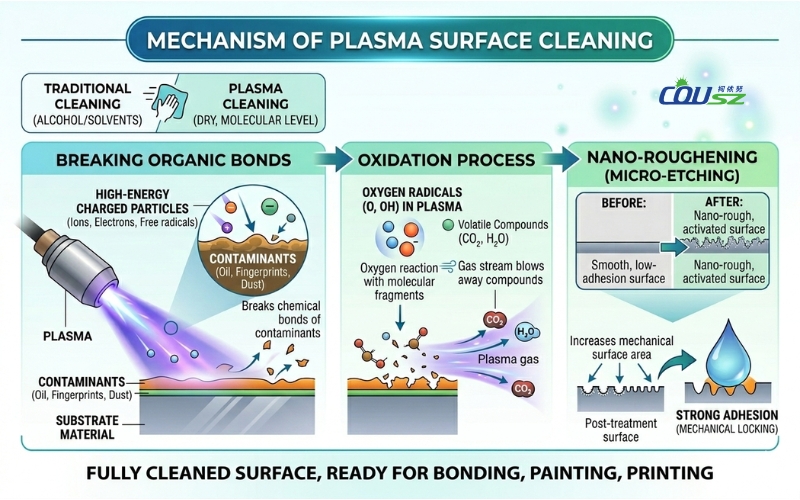
The fundamental cleaning mechanism of a plasma surface treatment machine is completely different from traditional manual wiping using volatile alcohols or harsh industrial solvents. This is a highly advanced Dry Cleaning process occurring strictly at the molecular level.
4.1. Breaking organic bonds and volatile oxidation
First, the high-energy charged particles physically break the strong chemical bonds of persistent greases, human fingerprints, and microscopic dust clinging to the substrate. Following this, an intense oxidation process takes place. These broken organic impurities rapidly combine with highly reactive oxygen ions present within the plasma stream to form completely harmless, volatile gaseous compounds such as CO2 (Carbon Dioxide) and H2O (Water vapor). These gases are then instantly blown away from the pristine surface by the continuous gas flow.
4.2. Micro-etching for mechanical interlocking
Beyond chemical cleaning, the plasma cleaner performs a crucial physical action known as micro-etching. The ionic bombardment excavates microscopic nano-cavities on the previously smooth surface. This localized roughening significantly multiplies the actual surface contact area, allowing liquid adhesives to flow into these crevices. When the glue cures, it locks mechanically into the substrate, offering incredible shear strength.
5. Why is plasma activation the core value of this technology?
While cleaning is vital, Plasma Activation is the true core value that makes this method utterly unique in the manufacturing world. Plasma activation is the deliberate process of altering the intrinsic chemical nature of the outermost surface layer (penetrating only a few nanometers deep).
5.1. Transforming hydrophobic polymers to hydrophilic surfaces
For example, consider Polypropylene (PP) plastic—a notorious material possessing extremely low surface energy, making it highly hydrophobic (water-repelling). After passing under the beam of a plasma surface treatment machine, the incredibly stable C-C (Carbon-Carbon) bonds on the plastic’s surface are forcibly broken. They are instantly replaced by highly reactive, hydrophilic (water-attracting) functional groups such as Hydroxyl (-OH) or Carboxyl (-COOH).
The spectacular result is that the surface instantaneously transitions from a stubborn hydrophobic state to a super-hydrophilic state. This miraculous chemical shift allows water-based paints, industrial UV inks, and cyanoacrylate adhesives to wet out perfectly, spreading evenly and bonding permanently without the risk of future delamination.
6. What are the proven benefits of a plasma surface treatment machine?
Why do global manufacturing giants like Samsung or Tesla strictly prioritize plasma surface modification over older methods? The definitive answer lies in four outstanding, empirically proven benefits highlighted across numerous technical engineering reports.
6.1. Economic efficiency and environmental compliance
First and foremost is high economic viability. A plasma cleaner completely eliminates the recurring costs associated with purchasing, safely storing, and ultimately disposing of hazardous chemical primers. The primary operational overhead merely consists of standard electrical power and industrial compressed air. Furthermore, this is a 100% green, eco-friendly technology. It emits zero VOCs (Volatile Organic Compounds), allowing factories to effortlessly comply with the world’s most stringent environmental safety standards, including RoHS and REACH regulations.
6.2. Absolute uniformity and processing speed
Unlike inconsistent manual surface wiping, an automated plasma machine guarantees that every single millimeter of the product is treated with identical, precise quality, driving the factory defect rate down to below 0.1%. Additionally, modern equipment boasts incredible processing speeds.
These systems can easily treat materials at rapid speeds reaching up to 30-50 meters per minute, making them exceptionally easy to integrate into high-speed, fully automated production conveyor belts. Finally, groundbreaking research conducted by Professor Wolf-Dieter Haubold clearly indicates that the structural bond strength achieved after plasma activation increases by an astonishing 3 to 5 times compared to traditional flame treatment or outdated chemical primer methods.
| Comparison Criteria | Plasma Surface Treatment | Traditional Chemical Primer |
|---|---|---|
| Environmental Impact | 100% Eco-friendly, zero VOC emissions | Highly toxic, requires hazardous waste disposal |
| Operating Cost | Low (Electricity + Compressed Air only) | High (Continuous purchase of expensive solvents) |
| Processing Speed | High-speed inline automation (30-50m/min) | Slow, often requires manual application and drying |
| Bonding Strength | Extremely high (3x – 5x increase) | Moderate, susceptible to degradation over time |
7. Frequently asked questions about plasma surface modification
7.1. Does plasma alter the physical shape or internal properties of the product?
Absolutely not. The plasma stream is engineered to exclusively impact the outermost molecular layer of the substrate (penetrating to a microscopic depth of only a few nanometers). Consequently, the overall physical shape, exact dimensions, color profile, and internal mechanical properties of the bulk material remain completely intact and 100% pristine. This is especially true for Cold Plasma technology, which rigorously prevents the substrate from overheating.
7.2. How can we verify if the surface has been successfully activated?
The most popular and reliable method utilized in industrial quality control is the application of Dyne Test Pens (or utilizing a contact angle goniometer to measure water droplets). If you apply a specific dyne level ink and it spreads completely flat across the surface without rapidly beading up or shrinking (indicating a small contact angle), it scientifically proves that the plasma activation process was highly successful.
7.3. What exactly is plasma, and why does it effectively treat materials?
In this industrial context, plasma is a heavily ionized gas state overflowing with immense energy. It effectively treats difficult materials because its high-energy particles possess the sheer physical and chemical capability to violently break the stubborn chemical bonds of dirt and contaminants. Simultaneously, it grafts new, highly reactive chemical functional groups onto the clean surface, rendering the material significantly more “dynamic” and eager to form unbreakable bonds with applied coatings, inks, or structural adhesives.
Contact COUSZ Vietnam for Expert Technical Consultation
If your enterprise is actively searching for the ultimate, most cost-effective solution to optimize material adhesion and microscopic cleaning processes, do not hesitate to contact our engineering team for in-depth consultation and live machine demonstrations at your facility.
- 👤 Ms. Yuna – Plasma Solutions Expert
- 📞 Tel/Whatsapp/Wechat/Zalo: (84) 965 535 348
- 📧 Email: sales03@cousz.com
- 🌐 Website: www.cousz-vn.com