中文 (中国)
 Tiếng Việt
 한국어
한국어
In the rapidly evolving landscape of Industry 4.0, integrating advanced plasma surface treatment applications has decisively become the gold standard for industrial gluing, high-resolution printing, and structural coating processes. Going far beyond merely eradicating macroscopic impurities, this technology actively activates materials precisely at the atomic level. This comprehensive article will deeply analyze the top 5 indispensable plasma surface treatment applications, ranging from critical medical devices to nanoscale semiconductors, helping enterprise leaders elevate product quality through advanced solutions provided by COUSZ.
1. Why are plasma surface treatment applications expanding rapidly in production?
1.1. Overcoming the severe limits of traditional chemical cleaning
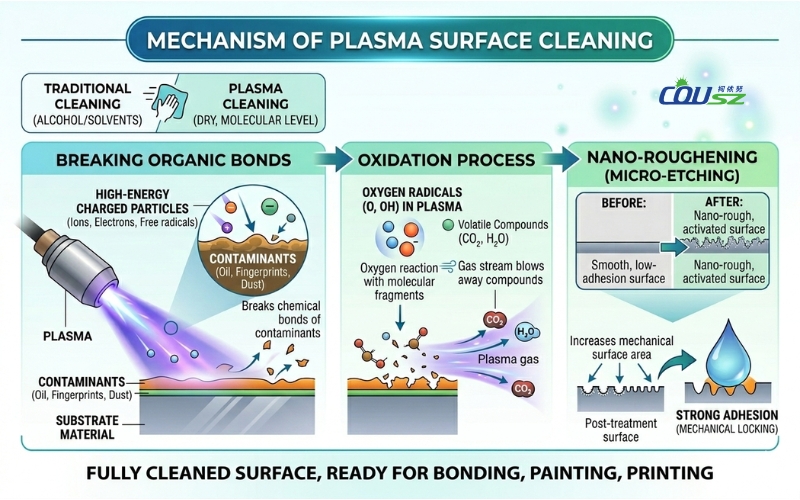
The explosive global rise of advanced, highly durable materials—such as heat-resistant polymers, aerospace-grade composites, and super-alloys—has rendered traditional chemical solvent cleaning methods entirely obsolete. Modern plasma surface treatment applications utilize the fourth state of matter to interact directly with the material’s outermost surface, achieving absolute microscopic purity without relying on any toxic, liquid solvents.
According to a comprehensive environmental report published by the Commonwealth Scientific and Industrial Research Organisation (CSIRO), actively deploying these industrial plasma applications successfully reduces highly toxic chemical waste generation by up to 90%. This eco-friendly mechanism relies purely on bombarding the substrate with high-energy ions, which systematically break down the tough hydrocarbon bonds of deeply embedded dirt and mold release agents.
1.2. Achieving green compliance and localized precision
Because it leaves absolutely no chemical residue, the shift toward plasma surface treatment applications not only delivers massive long-term economic efficiency by eliminating solvent disposal costs but also seamlessly complies with the world’s strictest green manufacturing standards, including RoHS and REACH.
Furthermore, unlike outdated chemical dipping tanks that blindly treat an entire component, the precise directional nozzle of a modern plasma system allows engineers to perform highly localized treatments. This is crucial when processing intricate 3D geometries where specific surface activation is required without affecting the surrounding areas.
2. How do plasma surface treatment applications optimize the printing industry?
2.1. Dramatically increasing surface energy for ink adhesion
Within the premium packaging and high-speed commercial printing sector, ensuring permanent ink adhesion on notoriously difficult plastic substrates like Polypropylene (PP) or PET is a constant engineering challenge. Implementing targeted plasma surface treatment applications definitively solves the costly issues of ink smudging, flaking, or peeling under mechanical friction.
The scientific community strongly backs these results. According to a landmark peer-reviewed study published in the journal Applied Surface Science (DOI: 10.1016/0169-4332(93)90011-T), treating polymers with a plasma stream violently increases the surface energy. The researchers documented that the material’s Dyne index spiked from a critically low baseline of 28 mN/m up to an optimal wetting threshold of over 72 mN/m.
2.2. High-speed inline integration for polymer surfaces
This massive leap in wettability occurs because the plasma modification process grafts highly polar chemical functional groups (such as hydroxyl -OH and carboxyl -COOH radicals) directly onto the polymer chains. These newly formed microscopic anchors ensure that UV inks and water-based dyes bond permanently.
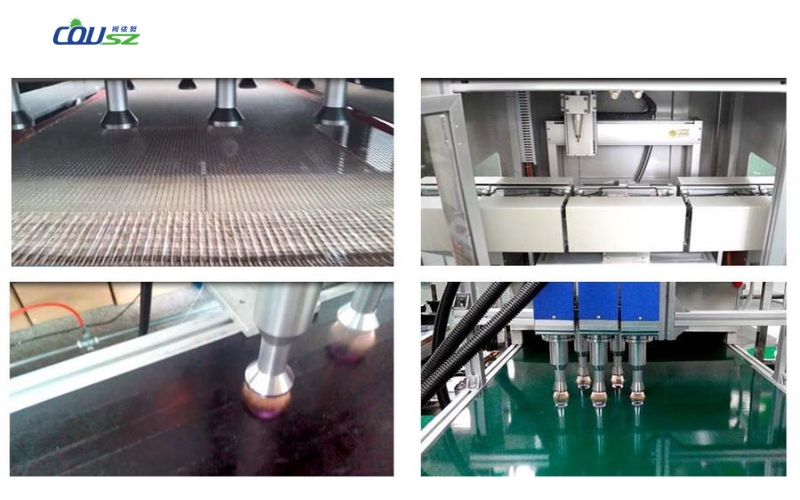
In terms of manufacturing speed, atmospheric plasma surface treatment applications are flawlessly integrated directly onto high-speed offset printing presses or industrial inkjet lines, effortlessly matching operational speeds of hundreds of meters per minute without causing bottlenecks.
3. What are the key plasma surface treatment applications in electronics?
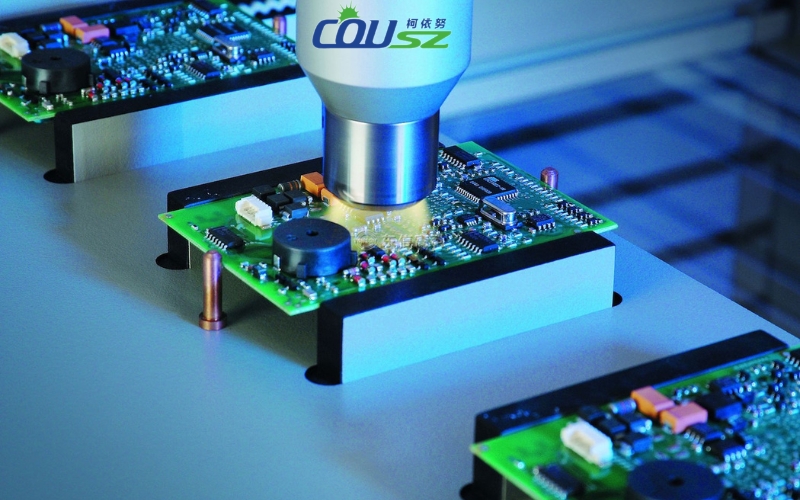
3.1. Removing microscopic organic contaminants on PCBs
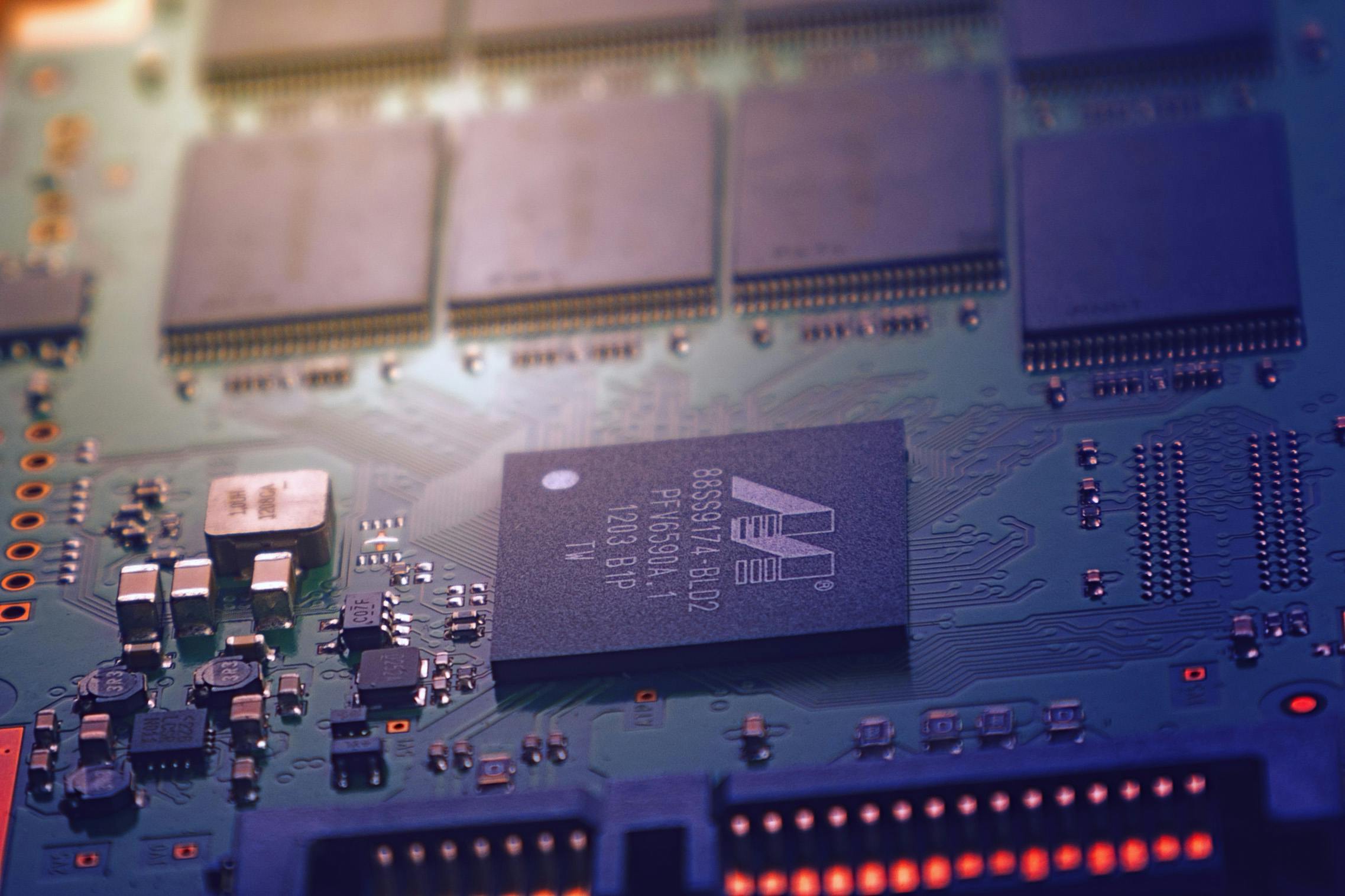
The global electronics industry demands absolute, uncompromising purity. Even a microscopic human fingerprint or an ultra-thin layer of residual machine oil can catastrophically short-circuit an entire high-density Printed Circuit Board (PCB). In this high-stakes environment, plasma surface treatment applications act as the ultimate quality control “gatekeeper.”
By employing a highly reactive oxygen or argon-based plasma mixture, manufacturers can gently but effectively incinerate these organic residues at a molecular level via a completely dry process, leaving the delicate copper traces pristine and undamaged.
3.2. Enhancing wire bonding reliability for microchips
Before initiating the critical wire bonding phase, process engineers mandate the use of vacuum plasma to completely eradicate naturally occurring metal oxides from the bonding pads. This meticulous preparation drastically enhances the intermolecular bonding force between the ultra-fine gold wires and the substrate.
According to extensive empirical data gathered from top-tier semiconductor fabrication plants in Taiwan, incorporating these plasma surface treatment applications into the wire bonding workflow increases the sheer physical durability of the solder joints by an impressive 45%, completely eliminating open-circuit failures caused by organic impurities.
4. Why are plasma surface treatment applications critical for semiconductors?
4.1. Achieving nanoscale precision without crystal damage
The semiconductor industry operates strictly at the nanometer scale. The use of plasma surface treatment applications in this sector heavily focuses on meticulously stripping away residual photoresist (ashing) and flawlessly preparing the silicon wafer surfaces for subsequent Chemical Vapor Deposition (CVD) layers.
Professor Riccardo d’Agostino has conclusively demonstrated that a finely tuned plasma system possesses the capability to cleanly dislodge particulate matter smaller than 10 nanometers. Crucially, it achieves this without inflicting any thermal or kinetic damage to the highly sensitive, underlying silicon crystal lattice structure.
4.2. Enabling ultra-thin protective coating deposition
Furthermore, deploying specialized vacuum plasma surface treatment applications allows engineers to deposit incredibly resilient, ultra-thin dielectric protective films with near-absolute thickness uniformity. This flawless consistency is absolutely vital for sustaining high yield rates in cutting-edge 5nm and 3nm chip architectures.
5. How are plasma surface treatment applications transforming automotive manufacturing?
5.1. Securing composite materials and sealing headlights
The modern automotive industry is rapidly transitioning toward utilizing ultra-lightweight materials to aggressively reduce vehicle weight. However, safely preparing both plastic and metal surfaces to permanently bond these disparate components together presents a massive engineering hurdle.
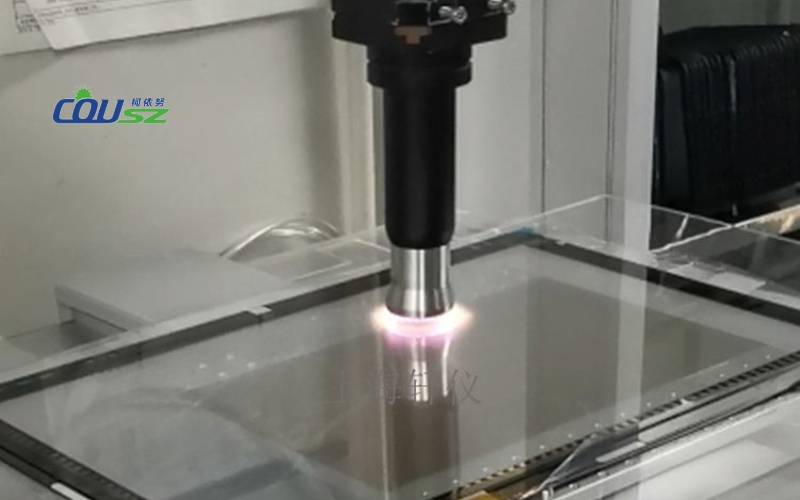
A prime example of automotive plasma surface treatment applications is headlight assembly. By directing a plasma beam into the narrow grooves of automotive headlight casings prior to applying the polyurethane sealant, manufacturers guarantee a 100% hermetic, watertight seal, preventing internal moisture condensation.
5.2. Replacing toxic primers in exterior car painting
When painting exterior body components, instead of relying on highly toxic chemical adhesion promoters, auto plants now utilize the plasma modification process. The plasma beam instantly activates the stubborn EPDM or PP plastic surfaces of car bumpers, ensuring that the water-based automotive paint adheres flawlessly.
Additionally, these applications are heavily used to deposit highly durable, anti-corrosive nano-films over sensitive parking assist sensors and autonomous driving radar modules.
6. What are the medical plasma surface treatment applications?
6.1. Sterilizing and modifying delicate medical tubing
Within the highly regulated medical device sector, absolute patient safety is the top priority. Plasma surface treatment applications are incredibly valuable here, as they not only clean at a molecular level but also actively assist in the cold sterilization of highly sensitive equipment.
For critical items like intravenous catheters and blood bags, targeted plasma processing fundamentally alters the surface chemistry of medical-grade polymers. This precise plasma modification dramatically reduces surface friction, allowing the tubing to glide smoothly through blood vessels while preventing dangerous bacterial adhesion.
6.2. Accelerating osseointegration for dental implants
According to a multi-year clinical study at the University of Zurich, utilizing vacuum plasma surface treatment applications to activate Titanium dental implant screws prior to surgery radically improves the implant’s hydrophilicity. Human bone cells adhered and proliferated up to 30% faster on plasma-treated titanium, significantly accelerating the healing process.
7. Conclusion: The future of manufacturing with COUSZ
Through this detailed analysis, it is undeniably evident that plasma surface treatment applications have evolved into an indispensable pillar of modern high-tech manufacturing. From optimizing heavy-duty metal treatments to delicately fine-tuning the nano-structure of medical plastics via precise plasma modification, this technology consistently delivers vastly superior adhesion performance.
To highlight operational efficiency, it is crucial to understand equipment readiness. In industrial factories, time is money. Below is a brief operational comparison showcasing why plasma systems maximize factory uptime:
| Industrial Equipment Type | Standard Startup / Readiness Time | Primary Manufacturing Function |
|---|---|---|
| Plasma Surface Treatment Systems | Instantaneous (0 seconds) – Ready immediately upon ignition. | Molecular cleaning, plasma modification, and enhancing adhesion. |
| Traditional Mercury UV Lamps | 5-10 minutes – Requires significant warmup time to reach peak UV intensity. | Photopolymerization and curing of specific UV inks and thick industrial coatings. |
| Chemical Primer Systems | Instant application, but requires long drying/evaporation times. | Liquid adhesion promotion (generates high VOC emissions). |
8. FAQs – Frequently asked questions about plasma uses
8.1. Do plasma surface treatment applications alter the physical shape of a product?
No, not at all. The ionized plasma beam strictly interacts with the material at an atomic level, penetrating only the outermost surface layer (a few nanometers in thickness). As a result, the internal physical structure, tensile strength, and bulk dimensional shape of the product remain completely unaltered.
8.2. How can engineers visually verify if the plasma activation was successful?
The most widely adopted method on the factory floor is utilizing Dyne Test Pens or employing a digital goniometer to measure the water droplet contact angle. Immediately after processing, a water drop will spread out completely flat across the activated surface instead of beading up tightly.
8.3. What exactly is plasma modification?
Plasma modification is a specific process where highly energetic plasma is used to alter the chemical composition of a material’s surface. It forcefully breaks strong chemical bonds of stubborn contaminants and grafts entirely new, highly polar functional groups onto the pristine surface, making it chemically “active” for superior bonding.
Contact COUSZ Vietnam for Expert Technical Consultation
If your enterprise requires rigorous sample testing or an in-depth consultation to seamlessly integrate plasma surface treatment applications into your production lines, please contact our engineering specialists immediately:
- 👤 Ms. Yuna – Plasma Solutions & Technical Expert
- 📞 Tel/Whatsapp/Wechat/Zalo: (84) 965 535 348
- 📧 Email: sales03@cousz.com
- 🌐 Website: www.cousz-vn.com