中文 (中国)
 Tiếng Việt
 한국어
한국어
In the highly demanding landscape of modern manufacturing, the ability to alter material surface characteristics without compromising internal bulk properties is considered the “holy grail” for engineers. Plasma modification has rapidly emerged as the premier solution to this challenge. By harnessing the fourth state of matter through a sophisticated plasma surface treatment machine, industries can permanently enhance adhesion, biocompatibility, and overall material durability. This comprehensive guide will delve deeply into the science, processes, and future of plasma surface engineering.
1. Introduction: The immense power of the fourth state of matter
1.1. Expanding beyond solids, liquids, and gases
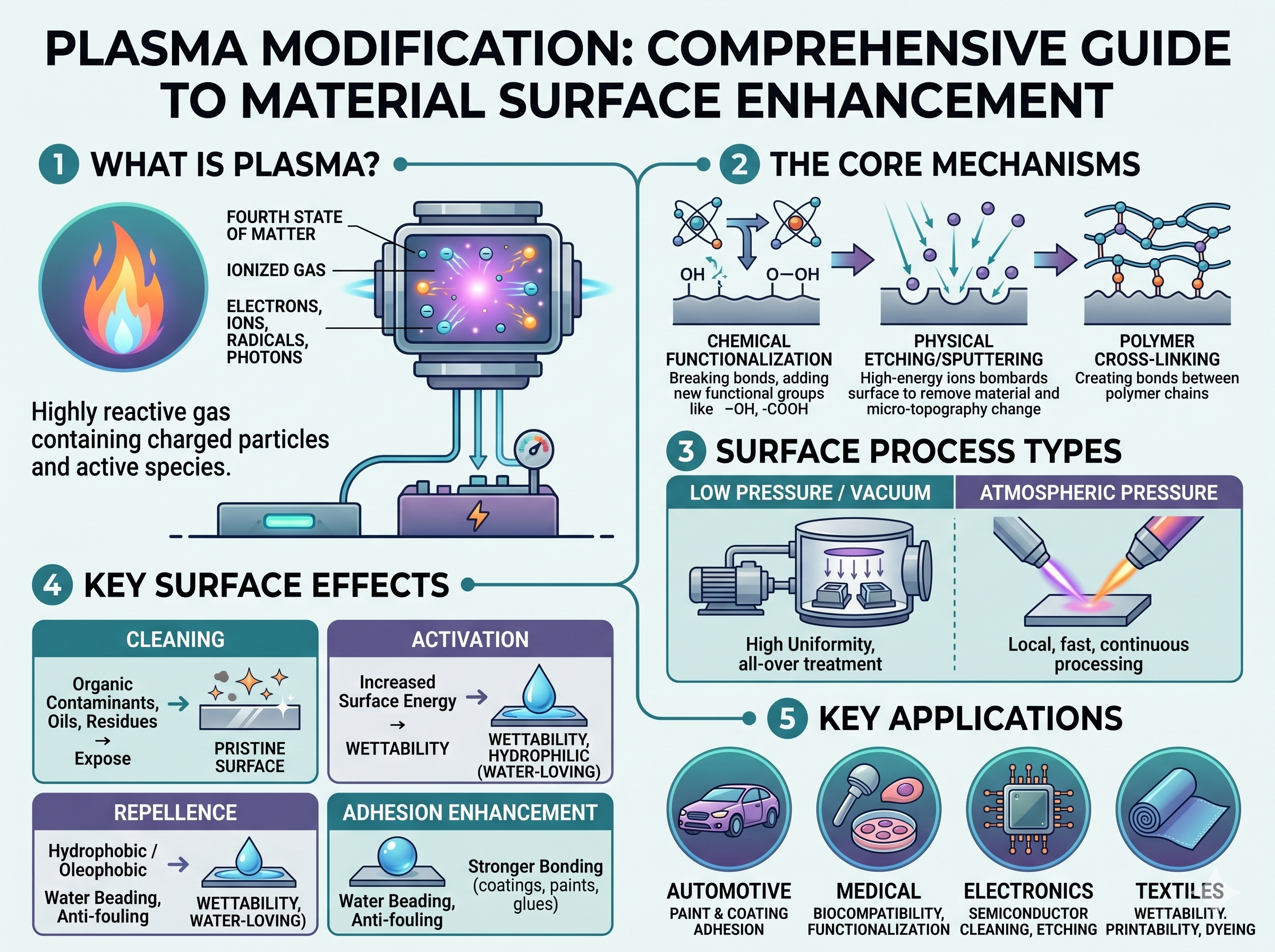
For decades, traditional materials science focused almost exclusively on solids, liquids, and gases. However, the industrial integration of plasma—an ionized gas comprising highly energetic ions, free electrons, and neutral particles—has successfully opened an entirely new frontier in advanced manufacturing.
Applying plasma modification is a completely dry, highly eco-friendly procedure that utilizes this high-energy state to finely tune the surface properties of polymers, metals, and technical ceramics. The absolute superiority of a plasma cleaner lies in its atomic precision: the plasma plume only interacts with the topmost atomic layers (typically penetrating just 10 to 1000 Å). This guarantees that the core structural integrity and physical bulk properties of the underlying material are perfectly preserved.
2. Understanding the exact mechanisms of plasma modification
2.1. Ablation and deep surface cleaning
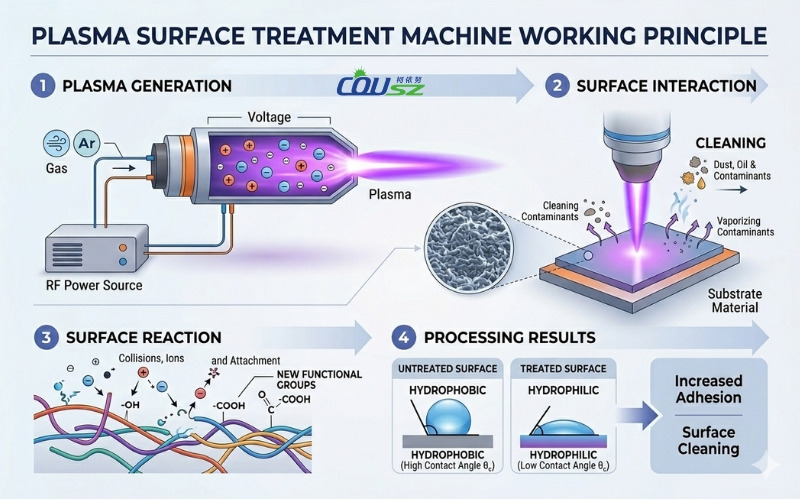
When a process gas (such as Oxygen, Nitrogen, or Argon) is forcefully activated by an electromagnetic field, it generates a highly reactive “soup” of particles. When a substrate is exposed to this environment, the first crucial effect is atomic ablation. A plasma cleaner is exceptionally effective at eradicating organic contaminants at the molecular level. This precise ablation process shatters the hydrocarbon bonds of residual oils and greases into volatile compounds, leaving behind a “super-clean” surface that is perfectly primed for bonding.
2.2. Etching and micro-roughening for mechanical grip
By bombarding the substrate with heavy ions, the plasma surface treatment machine induces a highly controlled micro-roughness. This nanoscale etching exponentially increases the actual physical surface area of the material. Consequently, it creates millions of microscopic “mechanical interlocking” sites, which drastically amplify the shear strength and durability of applied industrial adhesives.
2.3. Chemical functionalization
This is the absolute core aspect of plasma modification. By strategically selecting specific process gases, chemical engineers can intentionally graft highly reactive chemical functional groups directly onto the material’s surface:
- Oxygen plasma: Generates highly polar hydroxyl (-OH) and carboxyl (-COOH) groups, instantly transforming a stubbornly hydrophobic (water-repelling) plastic into a perfectly hydrophilic (water-attracting) surface.
- Ammonia/Nitrogen plasma: Introduces active amine groups, which are absolutely essential for binding biological molecules in advanced medical device manufacturing.
2.4. Plasma deposition and polymerization
In advanced setups, the plasma energy fragments specific gaseous monomers introduced into the chamber. These fragments then aggressively recombine and deposit as an ultra-thin, highly cross-linked polymer film across the substrate. This specialized coating process allows engineers to bestow entirely new chemical properties—such as absolute waterproof barriers or anti-corrosion shields—that the original base material inherently lacked.
3. Thermal plasma vs. cold plasma technologies
3.1. Controlling temperature for sensitive materials
Within the highly specialized field of surface engineering, strict temperature control is an absolute matter of survival for delicate products:
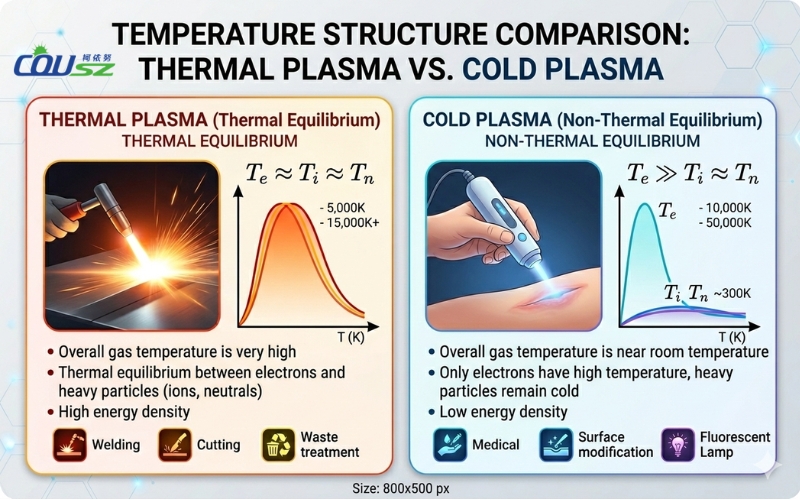
- Thermal plasma: This state possesses massive, destructive thermal energy (often reaching thousands of degrees). It is strictly utilized for heavy-duty industrial applications such as atmospheric thermal spraying or thick metal cutting.
- Cold plasma (Non-thermal plasma): This is the foundational technology utilized for delicate plasma modification. Because the bulk gas mass remains astonishingly close to ambient room temperature, it is exceptionally safe for processing highly heat-sensitive materials like ultra-thin polymer films, delicate technical textiles, or even living biological tissue cultures without causing any thermal degradation.
4. Breakthrough applications of plasma modification
4.1. Biomedical engineering and surgical implants
The vast majority of raw surgical implants (such as titanium bone screws) are not inherently “cell-friendly.” Applying targeted plasma modification helps to massively enhance cellular adhesion and proliferation, ensuring that surgical wounds heal faster and bones integrate seamlessly. Furthermore, it creates a highly receptive surface for depositing long-lasting antimicrobial coatings on internal medical devices.
4.2. Textiles and footwear innovation
Instead of relying on highly polluting wet chemical baths, modern textile factories deploy plasma surface treatment to prevent wool shrinkage, drastically increase dye absorption rates, and engineer highly durable “lotus effect” waterproof fabrics. This process is infinitely cleaner, safer, and far more sustainable for the global environment.
4.3. Electronics and automotive manufacturing
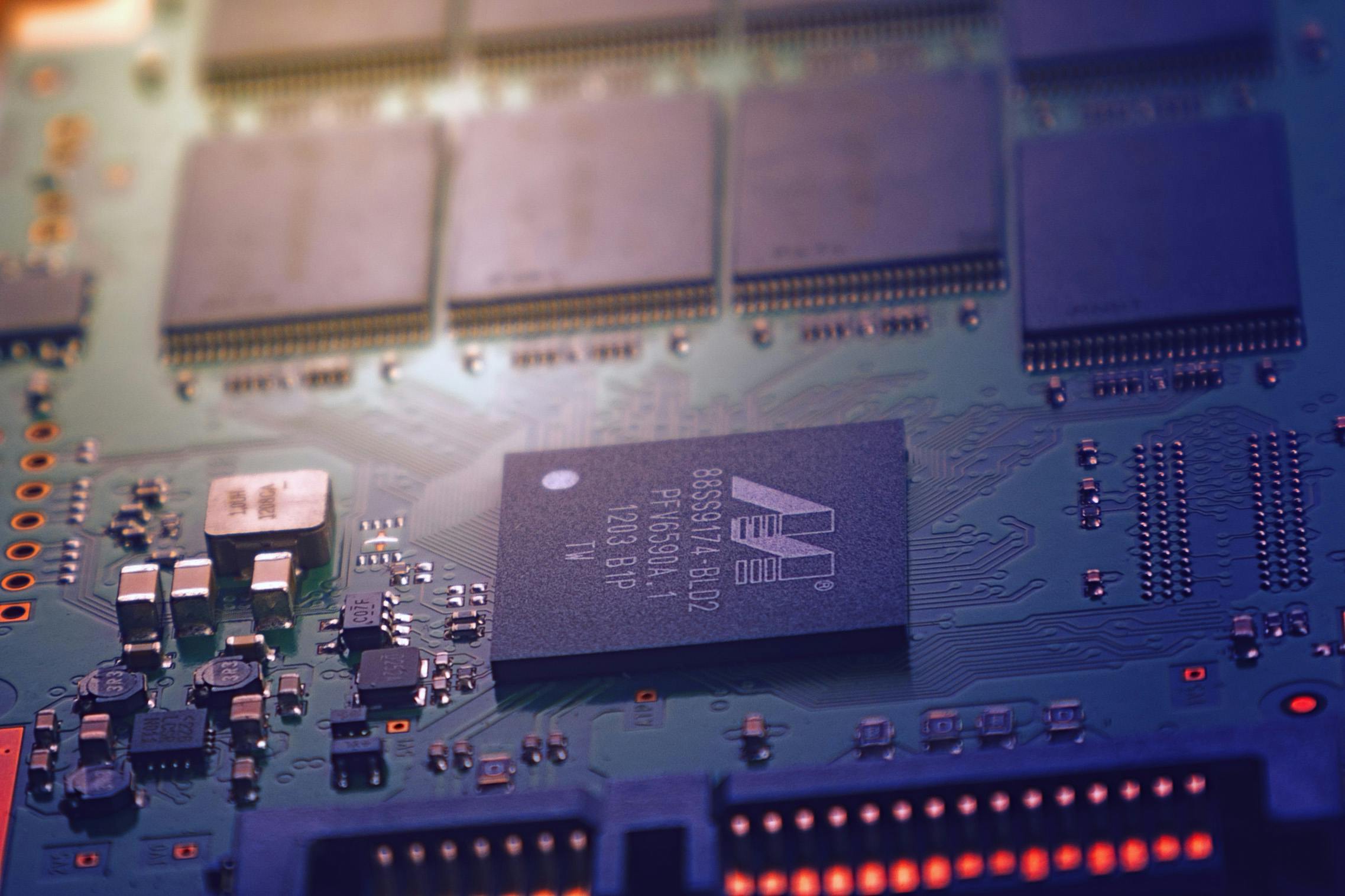
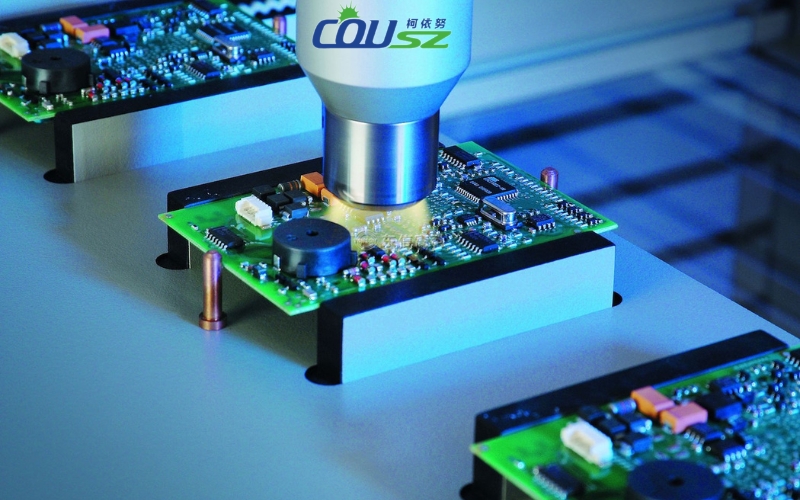
Within the high-tech electronics sector, a plasma cleaner is deployed to immaculately clean intricate PCB boards prior to microchip packaging. In the automotive industry, it is utilized to aggressively modify exterior plastic components (like EPDM rubber seals and PP bumpers), guaranteeing that water-based automotive paints bond permanently and never flake off over the vehicle’s lifespan.
5. Why is plasma surface treatment the superior choice?
5.1. Key benefits for modern manufacturing
When directly compared to outdated, highly toxic traditional chemical methods, plasma modification delivers overwhelming manufacturing advantages that easily meet the most rigorous standards of modern industry:
| Evaluation Criteria | Plasma Modification Technology | Traditional Chemical Processing |
|---|---|---|
| Environmental Safety | 100% dry, clean, and green. Zero toxic wastewater. | Generates hazardous liquid waste and high VOC emissions. |
| Treatment Precision | Nanoscale atomic level. Bulk properties remain intact. | Macroscopic. Risk of chemical damage to the core material. |
| Geometric Flexibility | Easily treats complex 3D shapes and blind holes evenly. | Difficult to achieve uniformity on complex topographies. |
| Economic Efficiency | Lightning-fast processing (seconds). Eliminates primer costs. | Slow curing times. High recurring costs for chemicals. |
6. Overcoming challenges: The plasma aging effect
6.1. Managing hydrophobic recovery
A highly critical technical phenomenon that factory engineers must carefully manage is “hydrophobic recovery” (commonly known as the aging effect). After executing plasma modification, the dramatically elevated surface energy has a natural tendency to slowly decrease over time. This occurs because the highly active, newly formed polymer chains naturally attempt to reorganize and fold back into their original, stable, low-energy state.
To completely circumvent this issue, modern manufacturing enterprises seamlessly integrate Atmospheric Pressure Plasma (APP) systems directly onto their automated conveyor lines. This strategic setup ensures that the subsequent gluing, coating, or printing process is executed immediately (within seconds or minutes) after the plasma surface treatment machine completes its activation phase, locking in the perfect bond before any aging can occur.
7. Conclusion: The future of material enhancement
In conclusion, mastering plasma modification is the ultimate key to unlocking the full potential of advanced materials. By flawlessly restructuring surfaces at the atomic level, a high-quality plasma cleaner empowers manufacturing enterprises to eliminate toxic chemicals, slash product defect rates, and engineer incredibly durable, high-performance products. Investing in plasma surface treatment technology is a definitive, highly profitable step toward securing a sustainable and highly competitive future in the global manufacturing market.
8. Faqs about plasma modification
8.1. Does plasma treatment alter the visible color of the material?
Generally, no. Because the intense kinetic impact of the plasma beam occurs strictly at the nanometer scale, the macroscopic visual appearance, color profile, and transparency of the material remain virtually unchanged. The only exception is if the process is highly customized and specifically engineered to deposit a specialized, tinted nano-coating layer.
8.2. How long does the treatment effect actually last?
The optimal window for peak adhesion is typically within a few hours to a few days immediately following the treatment, depending heavily on the specific polymer type and ambient storage conditions. However, once the subsequent gluing, painting, or coating step is successfully applied over the activated surface, the resulting chemical covalent bond is absolutely permanent.
9. Contact technical consultant – Ms. Yuna
If your manufacturing enterprise is currently facing severe challenges with material adhesion, or if you wish to explore the immense benefits of plasma technology, contact COUSZ Vietnam immediately for expert consultation and free sample testing:
- 👤 Ms. Yuna – Senior Plasma Solutions Expert
- 📱 Tel/Zalo/Whatsapp/Wechat: (84) 965 535 348
- 📧 Email: sales03@cousz.com
- 🌐 Website: www.cousz-vn.com