中文 (中国)
 Tiếng Việt
 한국어
한국어
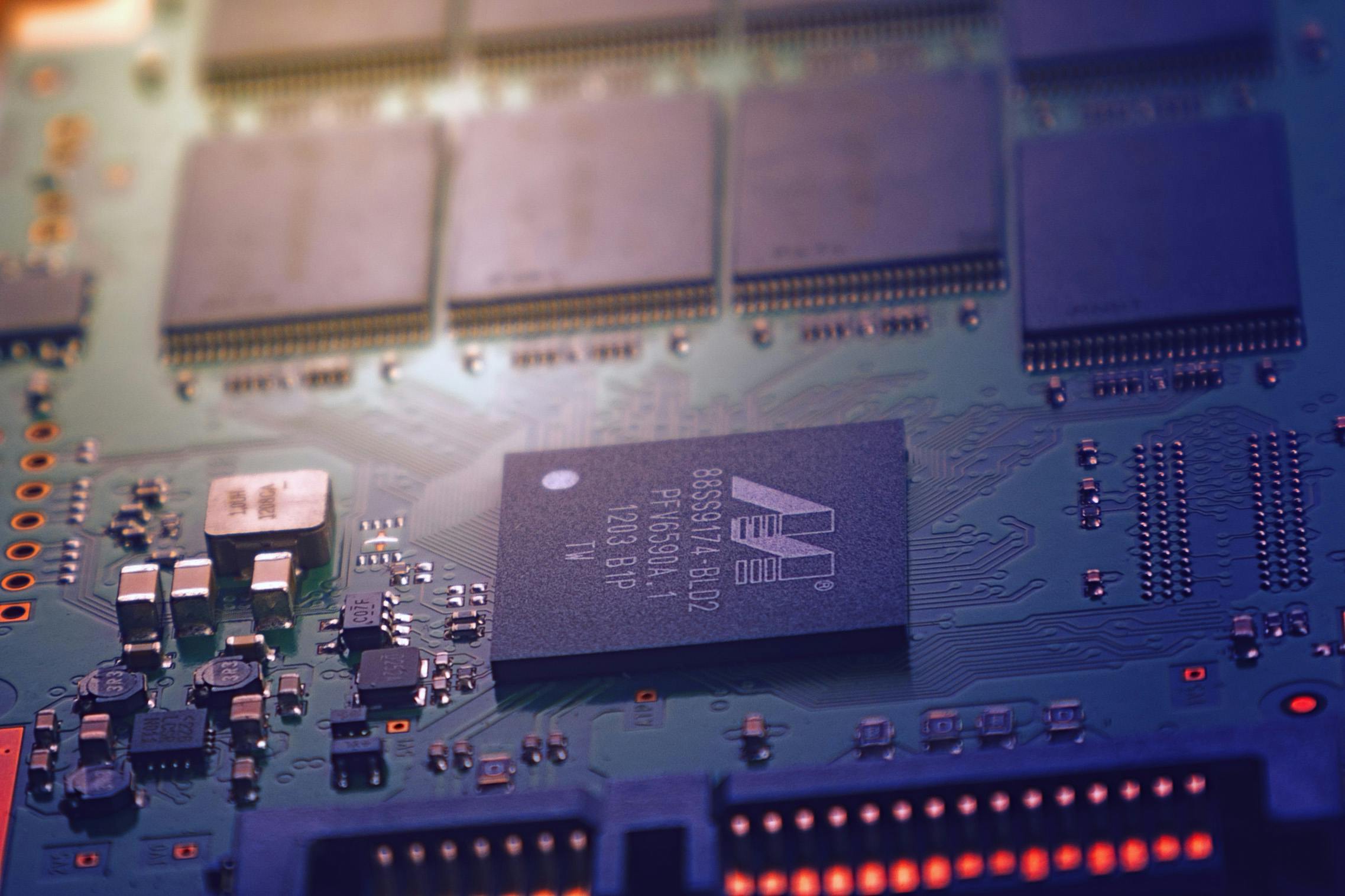
In the modern landscape of industrial manufacturing, which demands increasingly high precision and strict environmental sustainability, Plasma Coating has rapidly emerged as the definitive technological solution. Unlike outdated traditional plating, wet chemical dipping, or standard industrial painting, utilizing a plasma surface treatment machine allows engineers to intervene directly at the molecular structure. This profoundly comprehensive method improves material surfaces from mechanical hardness to absolute chemical adhesion. At COUSZ, we proudly apply advanced Plasma Coating technology to deliver an ultra-thin, yet incredibly resilient protective layer for all substrate types, ranging from sensitive plastics and heavy metals to architectural glass.
1. What is plasma coating and the power of the fourth state of matter?
1.1. Understanding plasma polymerization and thin film deposition
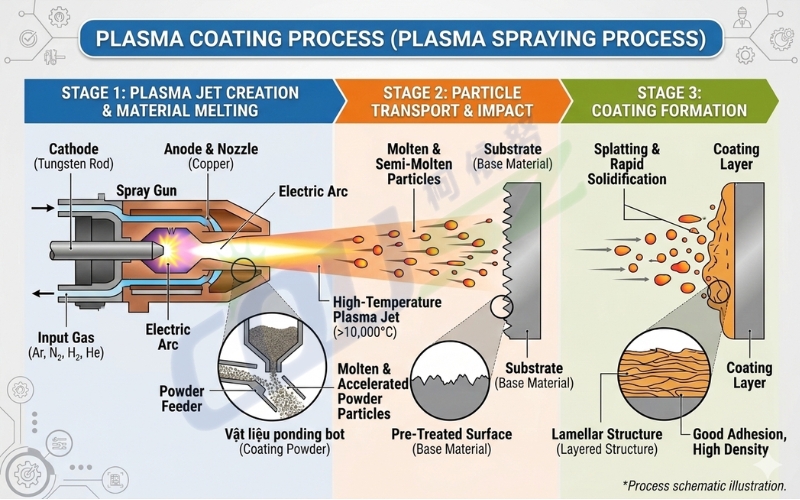
Plasma Coating or Plasma Cleaning (scientifically referred to as plasma polymerization or Plasma Enhanced Chemical Vapor Deposition – PECVD) is the highly advanced process of depositing an ultra-thin, highly functional polymer film onto the surface of an object within a controlled plasma environment. The profound differentiator of this advanced surface treatment lies in its fundamental physics. Specific gaseous molecules (monomers) are injected into the chamber, ionized by high-frequency energy, and forced to react directly on the substrate’s surface.
This intense atomic reaction creates a highly cross-linked, three-dimensional polymer network that is permanently bonded to the material—a level of structural integrity that absolutely no mechanical method or liquid glue can ever match. According to research published in the Journal of Applied Polymer Science, films deposited via plasma are entirely pin-hole free, offering superior barrier properties.
1.2. Maintaining critical manufacturing tolerances
When applying nano coating technology via a high-end plasma cleaner, the resulting functional layer boasts a microscopic thickness ranging from merely a few nanometers to a few micrometers. This incredibly thin profile is vital for precision engineering. It guarantees that the stringent dimensional tolerances of high-precision mechanical components, micro-gears, and semiconductor chips remain 100% unchanged, while simultaneously endowing the part with entirely new, revolutionary physicochemical characteristics.
2. How does the operational mechanism of plasma coating work?
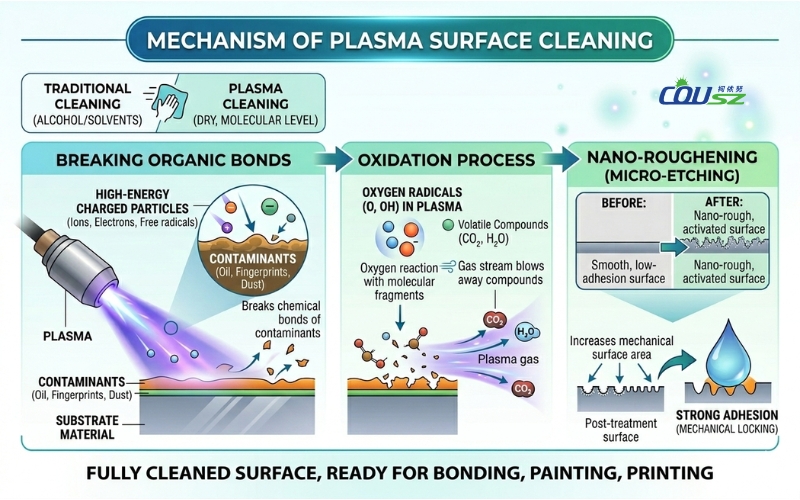
To achieve the ultimate optimal surface treatment efficiency, the surface modification process executed by a plasma surface treatment machine must follow a rigorous, tightly controlled sequence of scientific stages:
2.1. Pre-treatment surface activation and cleaning
Before the actual Plasma Coating layer can be successfully formed, the raw substrate must be perfectly primed. The machine emits a highly energetic plasma plume that vigorously bombards the material. This initial kinetic strike performs an “atomic cleaning,” instantly vaporizing organic impurities, machine oils, and microscopic dust.
Simultaneously, this bombardment creates highly active chemical reaction sites (free radicals) on the surface. This crucial step drastically improves the material’s surface energy, essentially laying a flawless, highly reactive “foundation” that ensures the subsequent polymer coating will anchor with absolute, unbreakable strength.
2.2. The plasma polymerization phase
Once the surface is activated, specialized monomer gases (such as HMDSO or fluorocarbons, depending on the desired property) are carefully metered into the active plasma zone. The immense electromagnetic energy instantly fragments these monomers into highly reactive ions and free radicals.
These fragmented particles rapidly condense, recombine, and aggressively polymerize directly on the product’s surface. Because the reaction occurs at the atomic level, the resulting industrial plasma coating is exceptionally dense, completely uniform, and entirely free of microscopic voids (pin-hole free), ensuring maximum protective performance against harsh external environments.
3. What are the outstanding advantages of applying plasma coating technology?
3.1. Eco-friendly solutions and extreme durability
Choosing advanced plasma thin film deposition over outdated, toxic chemical processes delivers a massive double benefit for forward-thinking enterprises, drastically improving both product quality and corporate environmental compliance:
- Clean and Green Manufacturing: Plasma Coating is a 100% dry process. It completely eliminates the use of hazardous liquid solvents, generates absolutely zero toxic wastewater, emits no Volatile Organic Compounds (VOCs), and perfectly aligns with the strict global eco-standards projected for 2026.
- Extreme Bond Durability: Because the process forms permanent covalent chemical bonds between the deposited nano-layer and the base substrate, the Plasma Coating is incredibly difficult to scratch, peel, or delaminate—even when subjected to extreme temperature fluctuations or harsh corrosive chemicals.
- Unmatched Geometric Flexibility: A high-quality plasma surface treatment machine is capable of depositing a perfectly uniform layer across highly complex 3D structures, deep narrow crevices, blind holes, and ultra-thin flexible films without any pooling or edge-buildup.
- Significant Cost Savings: The process is incredibly rapid. By drastically minimizing the consumption of raw coating materials and eliminating the massive costs associated with hazardous waste disposal, factories can heavily optimize their production costs, especially when processing large-volume batches.
3.2. Technical comparison: Plasma vs. traditional coating
| Comparison Criteria | Plasma Coating Technology | Traditional Wet Plating / Painting |
|---|---|---|
| Film Thickness | 10 nm – 500 nm (Preserves tolerances) | 10 µm – 100 µm (Alters part dimensions) |
| Bonding Mechanism | Permanent chemical covalent bonding | Mechanical adhesion (Prone to peeling) |
| Environmental Impact | Zero VOCs, dry process, eco-friendly | High VOCs, toxic wastewater generation |
| Curing Time | Instantaneous inside the chamber | Requires long thermal baking/drying |
4. What are the most common functional layers in plasma coating?
Depending precisely on the specific manufacturing requirements, the advanced Plasma Coating systems engineered by COUSZ can synthesize specialized, functional surfaces. These targeted coatings comprehensively enhance the material’s performance profile:
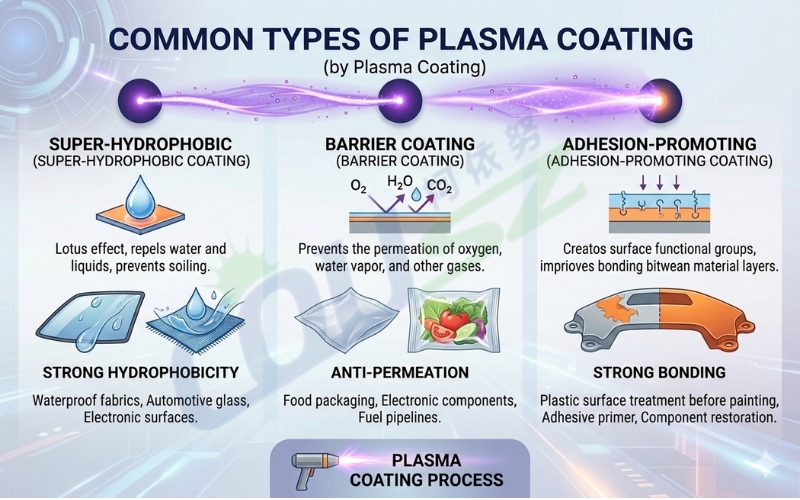
4.1. Super-hydrophobic nano coatings (Water-repellent)
By utilizing specific fluorinated monomers, the plasma cleaner creates an absolute nanoscale water barrier. The resulting surface achieves a water contact angle exceeding 150 degrees. This is the perfect, foolproof solution for waterproofing sensitive PCB electronics, modern smartphones, and outdoor environmental sensors. It completely prevents moisture corrosion without adding any physical bulk or weight to the device.
4.2. Gas barrier coatings for advanced packaging
In the food and pharmaceutical industries, extending shelf life is paramount. Utilizing Plasma Coating to deposit an ultra-dense, glass-like silicon dioxide (SiO2) layer creates an impenetrable barrier against oxygen and moisture transmission. This technology massively extends the preservation time of packaged goods, maintaining absolute product purity without the need to inject toxic chemical preservatives into the food.
4.3. Adhesion enhancement layers
This remains one of the most widely deployed applications of surface modification. It definitively solves the notorious adhesion failures associated with low-surface-energy plastics like PP, PE, and PTFE. The Plasma Coating generates a highly polar, chemically reactive top layer that allows structural glues, polyurethane paints, and UV printing inks to grip with unbreakable force, completely eliminating any risk of delamination.
5. Why choose the plasma coating solution from COUSZ?
5.1. Your partner in advanced surface engineering
COUSZ is exceptionally proud to be the leading pioneer providing state-of-the-art plasma treatment solutions in Vietnam and across Southeast Asia. When you partner with us for your manufacturing upgrades, we firmly guarantee:
- Expert engineering support to enhance your material surfaces with absolute nanometer precision.
- Deep, technical consultation to help you select the exact precursor monomer gases required to achieve your desired functional coating properties.
- Cutting-edge, highly reliable plasma machinery that seamlessly integrates into your existing automated robotic assembly lines.
- A dedicated team of highly experienced specialists who are always ready to conduct rigorous, free sample testing and demonstrations for our valued clients.

6. Conclusion on the future of industrial plasma coating
Plasma Coating is no longer just a fleeting industry trend; it has firmly established itself as the new, mandatory standard for advanced material surface engineering. By engineering smart, incredibly durable, and environmentally clean nano-films, this technology empowers forward-thinking enterprises to break through traditional quality limitations and aggressively optimize their mass-production costs. If your factory is actively searching for a definitive solution to elevate your product’s class, durability, and reliability, plasma technology is undeniably the ultimate answer.
7. Contact a plasma coating expert today
If your enterprise requires deep technical consultation regarding plasma thin film deposition methods, or if you need comprehensive quotation support for high-end equipment, please contact us immediately:
- 👤 Ms. Yuna – Senior Plasma & Surface Treatment Solutions Expert
- 📱 Tel/Zalo/Whatsapp/Wechat: (84) 965 535 348
- 📧 Email: sales03@cousz.com
- 🌐 Website: www.cousz-vn.com
8. FAQs about plasma coating technology
8.1. Does plasma coating change the color of my product?
Generally, no. Because the deposited nano coating technology is incredibly thin (often less than 100 nanometers), it is completely optically transparent. It will not alter the visual color, clarity, or texture of the base material unless specifically engineered to deposit a tinted or anti-reflective layer.
8.2. Is plasma polymerization safe for medical devices?
Yes, it is highly recommended for medical applications. The industrial plasma coating process is completely sterile, utilizes no toxic liquid solvents, and can engineer highly biocompatible or antimicrobial surfaces on surgical implants and diagnostic equipment.
8.3. Can it be applied to flexible plastic packaging?
Absolutely. A specialized roll-to-roll plasma cleaner is frequently used in the packaging industry to deposit ultra-thin gas barrier coatings onto flexible PET or PE films, massively improving the shelf life of the packaged food or pharmaceuticals without compromising the film’s flexibility.