中文 (中国)
 Tiếng Việt
 한국어
한국어
In modern industrial manufacturing, the persistent issue of peeling coatings, fading printing inks, or failing adhesives has always been a massive headache for factory engineers. Plasma surface cleaning technology has rapidly emerged as the ultimate breakthrough solution, helping to improve surface adhesion with absolute perfection. By fundamentally restructuring the material’s surface at the atomic level, a plasma cleaner can instantly transform the most notoriously “difficult-to-glue” materials into highly receptive substrates that bond effortlessly. Let’s dive deep with COUSZ experts to thoroughly understand this revolutionary mechanism.
1. Why do we need to improve surface adhesion in manufacturing?
1.1. The hidden costs of poor interfacial bonding
Surface adhesion fundamentally refers to the physical and chemical bonding capacity between two entirely different material phases (such as a liquid structural adhesive bonding to a solid plastic component, or industrial paint adhering to a metal chassis). A manufacturing process that fails to meet strict adhesion standards will inevitably lead to severe, costly consequences for the entire business operation.
When interfacial bonding is weak, products suffer from premature peeling of plated layers or printed inks after only a short period of consumer use. Furthermore, mechanical adhesive joints will completely fail to withstand basic kinetic impacts or extreme temperature fluctuations in the field. This directly results in a catastrophically high scrap rate, massive material waste, and severe damage to the brand’s global reputation.
1.2. The ultimate solution without toxic chemicals
Historically, factories relied heavily on toxic chemical primers and volatile adhesion promoters to temporarily solve this issue. However, radically improving surface adhesion using advanced plasma surface cleaning technology completely eliminates all of the aforementioned risks. It achieves this permanent bonding upgrade without ever requiring the use of hazardous, environmentally damaging chemical primers.
2. How does the mechanism improve absolute adhesion?
Advanced plasma technology actively interacts with the substrate material through a highly synchronized chain of simultaneous physical and chemical reactions. This dual-action approach is exactly what delivers such outstanding, long-lasting adhesion efficiency.
2.1. Nano-level surface cleaning
The first step in the process is aggressive, microscopic purification. The plasma surface cleaning technology vigorously bombards the substrate with a high-density cloud of high-energy ions and free electrons. This intense kinetic bombardment physically shatters the strong carbon bonds of organic impurities, such as deeply embedded machining oils, microscopic dust, and human fingerprints.
Once these stubborn bonds are broken, the contaminants are rapidly oxidized and converted into completely harmless volatile gas molecules (primarily CO2 and H2O), which evaporate instantly. This absolute cleaning at the atomic level serves as the pristine, foundational stepping stone necessary to radically improve surface adhesion.
2.2. Increasing surface energy and wettability
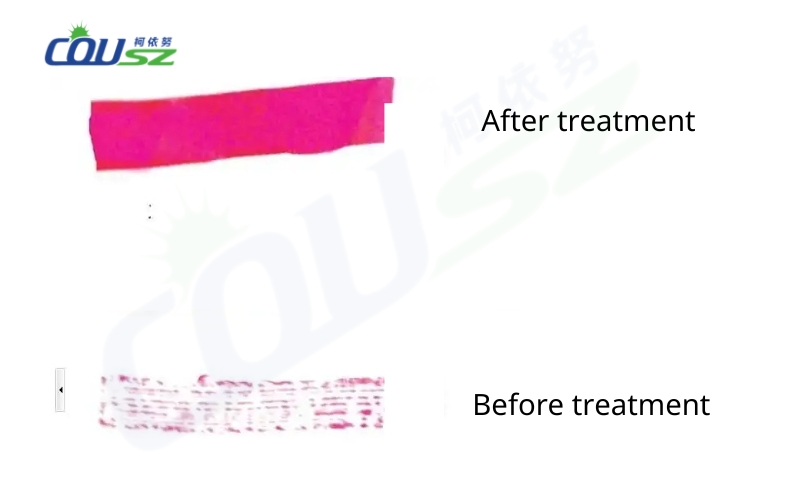
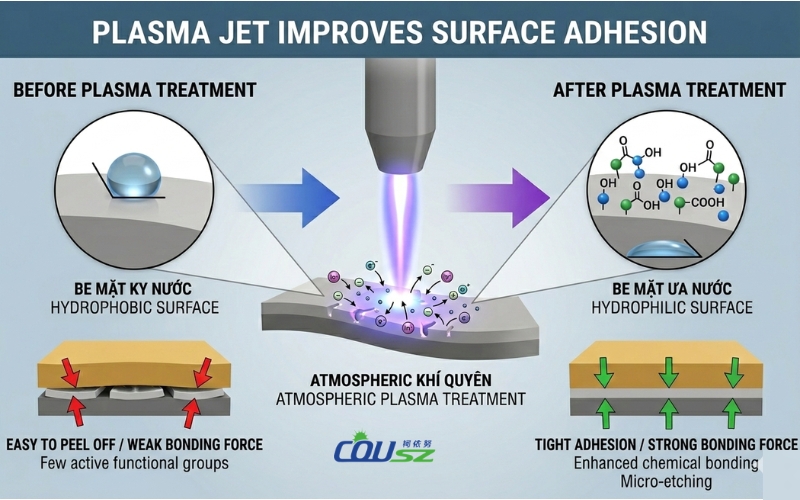
Common industrial plastic materials—such as Polypropylene (PP), Polyethylene (PE), or PTFE (Teflon)—are notoriously famous for possessing critically low surface energy. This makes them highly hydrophobic, naturally repelling liquids. Plasma surface technology fundamentally alters this inherent characteristic. By bombarding the polymer chains, it allows liquid substances (like adhesives or UV inks) to spread out completely flat and penetrate deeply into the surface crevices, rather than shrinking and beading up.
We can scientifically verify this transformation through the Contact Angle measurement. Immediately after processing with plasma surface cleaning technology, the water droplet contact angle sharply plummets to below 20°. This dramatic drop is undeniable, empirical proof that the surface has been perfectly optimized and is fully ready for maximum adhesion.
2.3. Chemical functional group activation
This specific chemical reaction is arguably the most critical mechanism for permanently improving surface adhesion. The highly energetic plasma plume generates billions of reactive free radicals directly on the material’s outermost surface. It then forcibly grafts highly polar chemical functional groups (such as hydroxyl -OH and carboxyl -COOH radicals) onto the polymer backbone.
These newly formed polar groups act exactly like microscopic chemical “anchors” or “hooks.” They eagerly form incredibly strong, unbreakable covalent bonds with the chemical structure of the applied adhesive, structural tape, or protective coating.
2.4. Micro-etching for mechanical interlocking
Beyond chemical alterations, plasma surface cleaning technology also performs a vital physical modification known as micro-etching. The continuous ion bombardment excavates countless nanometer-scale cavities into the smooth substrate. This microscopic roughening drastically multiplies the actual physical contact area between the two materials.
When the liquid adhesive flows into these nanoscale pores and hardens, it creates a powerful “mechanical interlocking” effect. This ensures that the applied coating grips the material with immense shear strength, entirely preventing it from separating or peeling even under severe external mechanical stress.
3. What are the benefits of applying this surface technology?
3.1. Outperforming traditional treatment methods
According to extensive empirical research published in the internationally acclaimed Surface and Coatings Technology journal, applying plasma surface cleaning technology yields overwhelming manufacturing advantages when compared to outdated thermal or chemical methods.
- Complete replacement of toxic chemicals: It entirely eliminates the expensive need for liquid primers, adhesion promoters, and harsh industrial solvents. This instantly transforms your production line into a highly eco-friendly operation, perfectly aligning with global Green Manufacturing standards.
- Exceptionally high bond durability: The permanent covalent chemical bonds created by advanced plasma technology are exponentially stronger and more resilient than the weak, temporary physical bonds achieved by simple mechanical sanding or standard alcohol wiping.
- Processing highly complex geometries: Unlike rigid mechanical abrasion tools or flat corona discharge bars, the flexible plasma beam easily penetrates into narrow gaps, blind holes, and deep crevices, ensuring 360-degree activation.
- Lightning-fast processing speed: The entire treatment cycle is typically calculated in mere seconds or milliseconds. This extreme speed makes it incredibly easy to integrate a plasma cleaner directly into high-speed, fully automated robotic assembly lines.
3.2. Technical comparison: Plasma surface cleaning technology vs. chemical primers
To further illustrate the immense value of this technology, consider the following technical comparison that highlights why modern factories are making the switch:
| Evaluation Criteria | Plasma Surface Cleaning Technology | Traditional Chemical Primers |
|---|---|---|
| Environmental Impact | Zero VOC emissions, 100% eco-friendly | High VOCs, generates toxic hazardous waste |
| Operational Cost | Low (requires only electricity and compressed air) | High (continuous purchase of expensive chemicals) |
| Production Speed | Instantaneous, zero drying time required | Slow, requires long curing and evaporation times |
| Adhesion Quality | Permanent chemical covalent bonding | Temporary physical adhesion, prone to aging |
4. What are the typical practical applications?
The profound ability to radically improve surface adhesion using a plasma cleaner is currently being widely deployed across a multitude of high-tech industries:
4.1. Automotive manufacturing industry
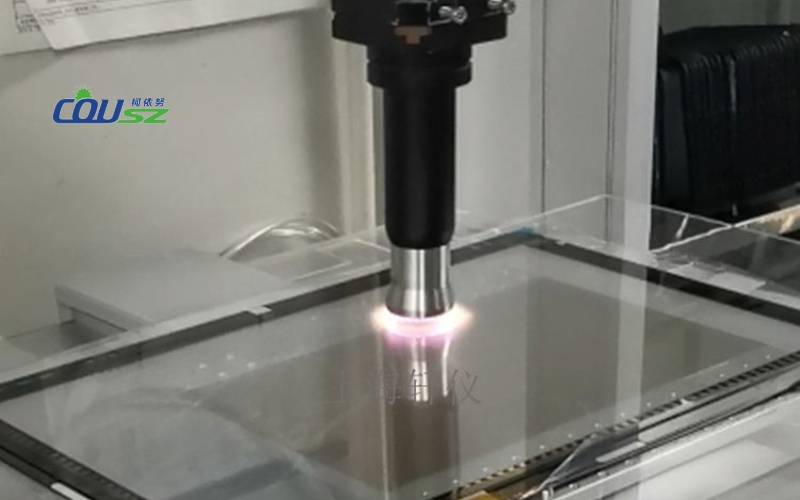
In modern vehicle assembly, plasma is aggressively utilized to treat highly complex components. It perfectly activates the surface of polycarbonate headlights, interior plastic dashboards, and EPDM rubber door seals immediately before automated gluing or painting. This guarantees absolute waterproofing and eliminates the risk of paint flaking under extreme UV exposure.
4.2. High-tech electronics and semiconductors
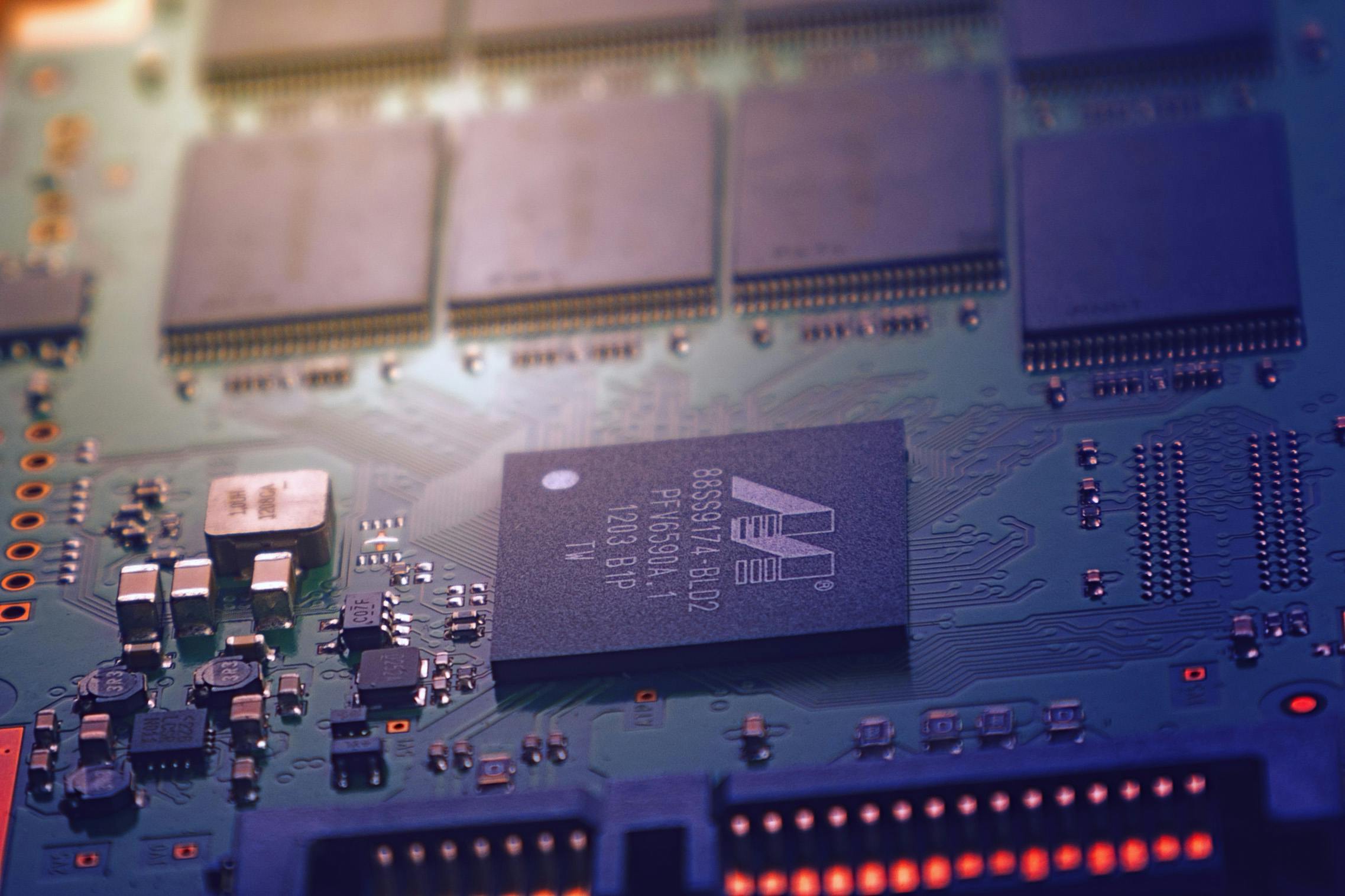
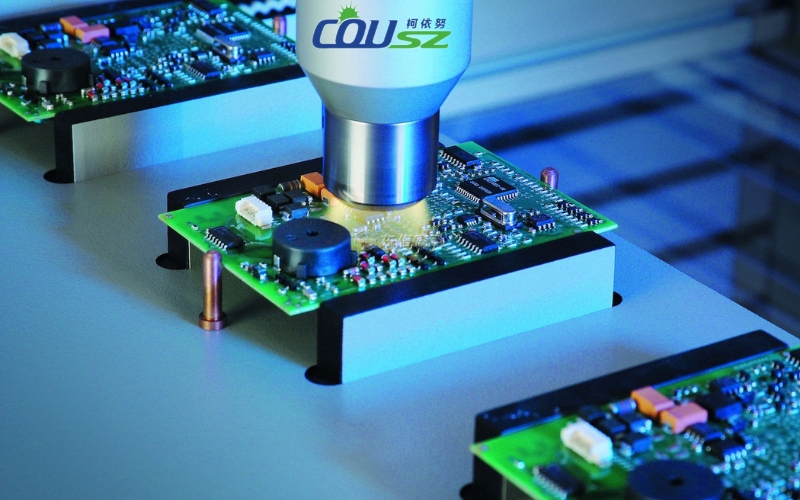
Within the electronics sector, plasma technology is the ultimate gatekeeper of quality. It massively increases the adhesion of critical underfill epoxies and conformal coatings on high-density PCB boards. This absolute bond ensures that delicate micro-components never detach or fail when the device operates at high temperatures.
4.3. Medical devices and healthcare
The medical field demands uncompromising purity. Plasma safely activates the surface of implantable medical catheters, intraocular lenses, and diagnostic assay trays. This activation is a mandatory preparatory step before applying ultra-thin, life-saving antimicrobial or anti-fouling nano-coatings.
4.4. Advanced printing and packaging
In commercial printing, it guarantees that UV inks and water-based dyes grip permanently onto challenging substrates like PET plastic films and aluminum foils, completely eliminating the need for outdated, ozone-producing corona treatment systems.
5. What should be noted to maintain optimal adhesion efficiency?
5.1. Managing the aging effect and process parameters
To successfully maintain the long-term benefits of improved surface adhesion, enterprise engineers must carefully note the following operational guidelines:
- Understanding the validity period: The highly active surface energy generated by plasma is not permanent. It will gradually decrease over time due to a natural polymer chain relaxation phenomenon known as the “Aging Effect.” Therefore, it is highly recommended to execute the final gluing, printing, or coating process immediately after treatment (optimally within a strict 24-hour window).
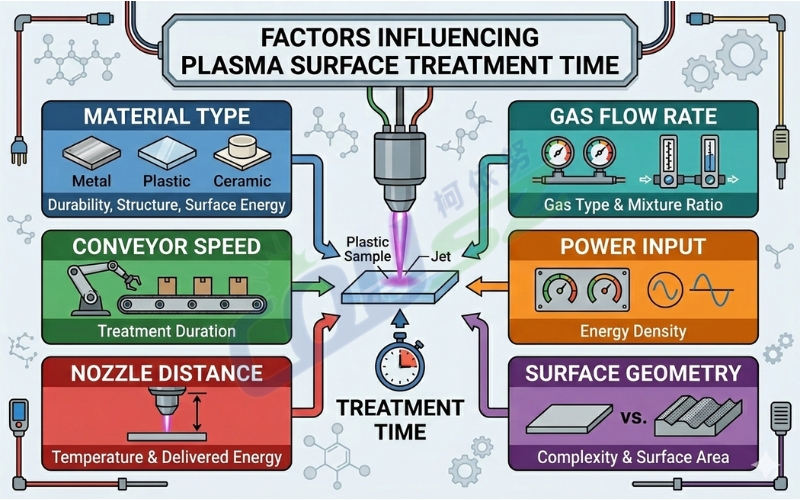
- Strict parameter control: Process engineers must meticulously calibrate the machine’s RF power output, the robotic scanning speed, and the physical distance of the nozzle head. These variables must be perfectly tailored to each specific material type (whether it is heat-sensitive plastic, dense metal, or glass) to entirely prevent the risk of thermal scorching or surface overtreatment.
6. Conclusion on plasma surface cleaning technology
Dramatically improving surface adhesion is the ultimate master key to elevating product quality and securing a dominant competitive advantage in the global market. Plasma surface cleaning technology provided by COUSZ does not merely offer a superior, atomic-level cleaning method; it engineers a highly stable, permanent chemical foundation for virtually any solid material. Investing in a high-performance plasma system is a direct, highly profitable investment in the absolute durability, aesthetic perfection, and premium class of your final manufactured goods.
7. Contact technical consultant – Ms. Yuna
If your manufacturing enterprise is currently struggling with severe material adhesion issues or high defect rates, please contact COUSZ Vietnam immediately for expert consultation and free, hands-on sample testing:
- 👤 Ms. Yuna – Senior Plasma Solutions Expert – Plasma surface cleaning technology
- 📱 Tel/Zalo/Whatsapp: (84) 965 535 348
- 📧 Email: sales03@cousz.com
- 🌐 Website: www.cousz-vn.com