中文 (中国)
 Tiếng Việt
 한국어
한국어
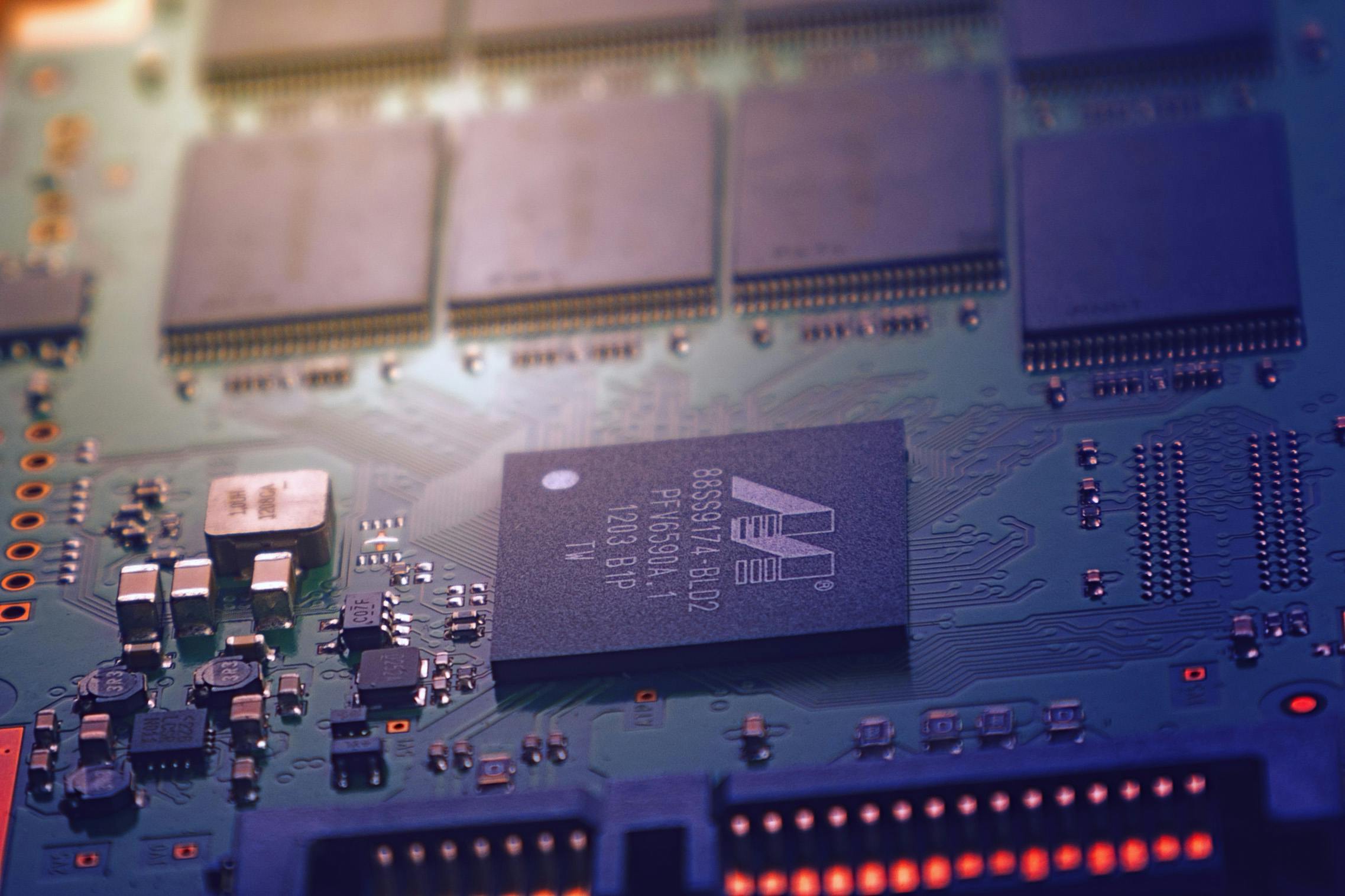
To maintain optimal surface activation performance, routine maintenance and the timely replacement of plasma surface treatment system spare parts are absolutely mandatory requirements in modern industrial manufacturing. Utilizing high-quality plasma machine consumables not only drastically extends the overall lifespan of the core equipment but also guarantees the absolute stability of the product’s surface energy. This comprehensive technical article will provide a highly detailed maintenance checklist, empowering enterprise engineers to proactively execute and optimize their factory’s plasma equipment management plan.
1. What are the warning signs that plasma cleaner spare parts need replacement?
1.1. Identifying visual and performance indicators of wear
After a prolonged period of continuous, rigorous operation, even the most premium, high-end surface treatment systems will inevitably exhibit signs of natural mechanical and chemical wear. Recognizing these critical warning signs early helps manufacturing enterprises avoid unexpected machine downtime, which can cause severe production disruptions and financial losses.
- Altered plasma beam color and uniformity: Under normal conditions, atmospheric plasma emits a distinct, bright violet-blue hue. If the plasma beam visibly shifts to a cloudy, dull red or if the discharge becomes erratic and uneven, this is a definitive sign that the internal electrode—one of the most critical plasma surface treatment parts—has become heavily oxidized or contaminated with carbon buildup.
- Substandard surface energy readings: When conducting routine quality control checks using a calibrated Dyne test pen, if the results consistently fall below the optimal 72 mN/m threshold despite the machine running at full power, the primary culprit is often physical wear. Worn out plasma treatment accessories, particularly the main nozzle head, can cause the concentrated ion stream to disperse ineffectively.
- Abnormal high-frequency noises: The electronic components inside the high-voltage plasma generator should operate with a steady, low hum. If you begin to hear high-pitched squealing, electrical arcing sounds, or loud rattling from the cooling fan system, the unit is experiencing severe electrical or thermal overload.
- Persistent pressure error warnings: If the central PLC system frequently triggers low gas pressure alarms, maintenance technicians must immediately inspect specific plasma machine consumables such as the inline air filters, pneumatic valves, and gas supply hoses to ensure there are no microscopic leaks or physical blockages.
1.2. The severe economic cost of delayed maintenance
Ignoring these warning signs is a costly mistake. According to extensive peer-reviewed research published in the globally recognized journal Surface and Coatings Technology, delaying the replacement of faulty or degraded components can artificially inflate the system’s electrical power consumption by an additional 15%. Even more critically, operating with worn parts can drastically reduce the chemical adhesion efficiency of applied industrial coatings and structural glues by up to 30%, leading to massive product failure rates.
2. What are the core plasma surface treatment parts in the system?
2.1. The high-frequency plasma generator and electrical systems
A complete, industrial-grade plasma activation system is intricately constructed from hundreds of individual components. However, there are specific, critical plasma cleaner parts that act as the structural “backbone” of the machine. Operating engineers must pay special, focused attention to these modules during routine preventative maintenance.
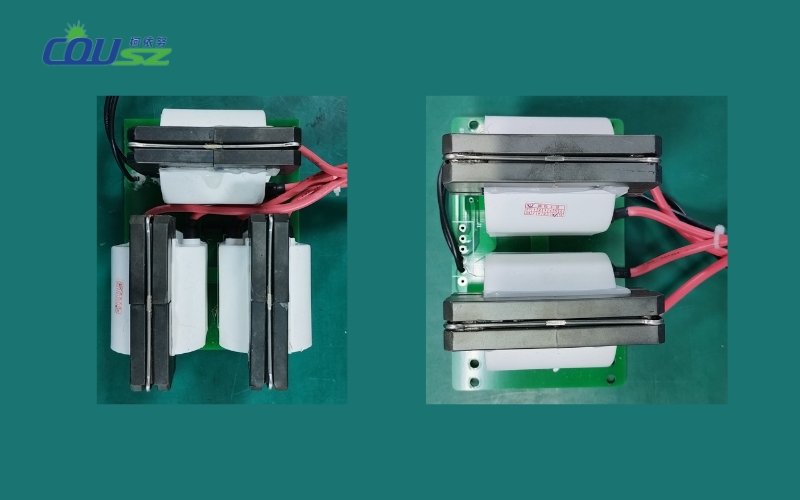
The High-Frequency Plasma Generator is undeniably the most important component of the entire system. It is directly responsible for converting standard factory electrical power into the massive, high-frequency energy required for gas ionization. To prevent catastrophic failure, the internal control motherboards and the heavy-duty high-voltage capacitors must be thoroughly inspected, cleaned of dust, and tested by certified technicians at least once every 6 months.
2.2. The nozzle head, rotary motor, and power transmission
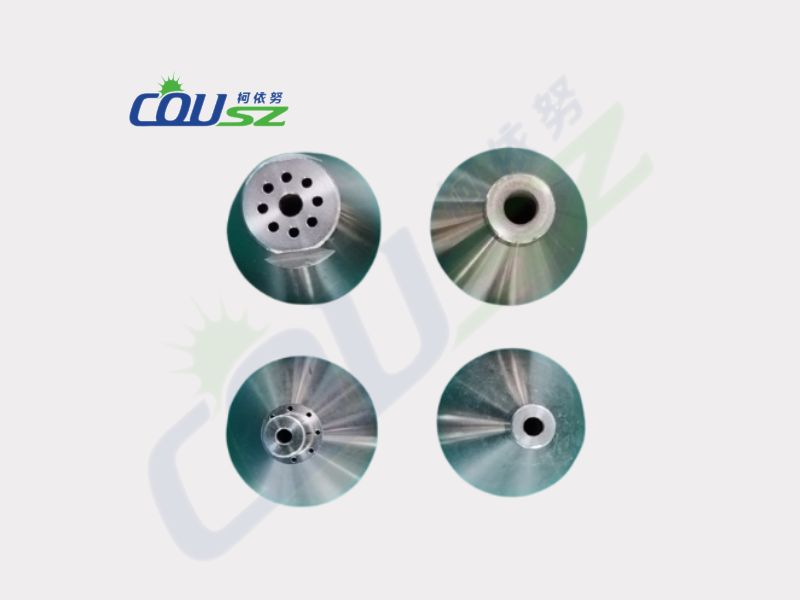
The Plasma Nozzle Head is another highly critical component. It comprises a specialized heat-resistant outer casing (often machined from aerospace-grade aluminum or ceramic) and an internal gas guiding system. These specific plasma treatment accessories strictly determine the physical shape, focus, and intensity of the emitted plasma beam—dictating whether the machine operates as a direct jet or a wide rotary system.
For systems equipped with Rotary Nozzle technology, the internal drive motor is subjected to immense physical stress, constantly generating a rotational speed of 2000 to 3000 RPM. After approximately 10,000 hours of continuous running time, this motor requires mandatory bearing lubrication and structural maintenance to completely avoid micro-vibrations that could destabilize the plasma arc.
Finally, the High-Voltage Cable System acts as the vital artery connecting the generator to the nozzle. These specialized cables must possess absolute dielectric insulation properties and superior electromagnetic interference (EMI) shielding. This ensures that the massive electrical energy is safely transmitted to the nozzle head without any dangerous voltage leakage or power dissipation.
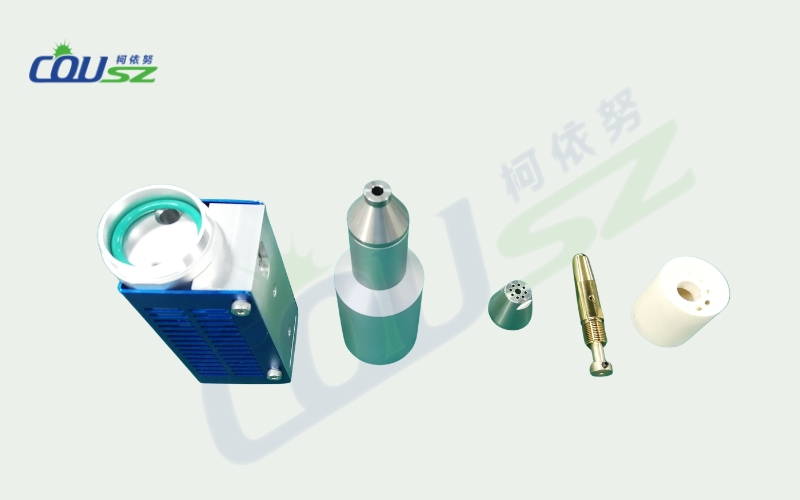
Utilizing strictly genuine COUSZ plasma surface treatment parts guarantees absolute technical compatibility in terms of RF frequency and power load capacity. This strict adherence to OEM parts actively protects the entire sensitive electrical system from devastating short circuits and electrical fires.
3. What is the detailed replacement schedule for plasma machine consumables?
3.1. Proactive maintenance table for optimal efficiency
Unlike the heavy structural components which boast a very long operational lifespan, specific plasma machine consumables endure intense thermal friction and constant ionic bombardment. Consequently, they must be proactively replaced at regular intervals based strictly on their actual running hours to maintain peak factory output.
| No. | Part Name | Model Reference | Unit | Recommended Replacement Cycle (Based on usage) |
|---|---|---|---|---|
| 1 | Central Electrode | YTT8 / YZT5 | PCS | Continuous/Intermittent operation: 2000 / 4000 hours |
| 2 | Discharge Nozzle | PZX20 / PZX40 / PZX50 PZZK2 / PZZ2.5 / PZZK3.5 |
PCS | Continuous/Intermittent operation: 2000 / 4000 hours |
| 3 | Drive Belt (Rotary) | PJ236 | PCS | Every 6 months |
| 4 | Ceramic Insulator Tube | TC403012 | PCS | Every 12 months |
| 5 | High-Voltage Wire | 25KV1.5 | PCS | Every 24 months |
The scientific importance of adhering to this schedule cannot be overstated. Empirical data compiled through rigorous laboratory testing by leading physics professors, as published in the Journal of Physics D: Applied Physics, confirms a critical fact: utilizing degraded or counterfeit plasma machine consumables actively introduces microscopic metallic impurities and burnt carbon debris directly into the plasma stream. This severe contamination completely counteracts the intended surface cleaning effect, ultimately leaving the substrate dirtier and less reactive than before treatment.
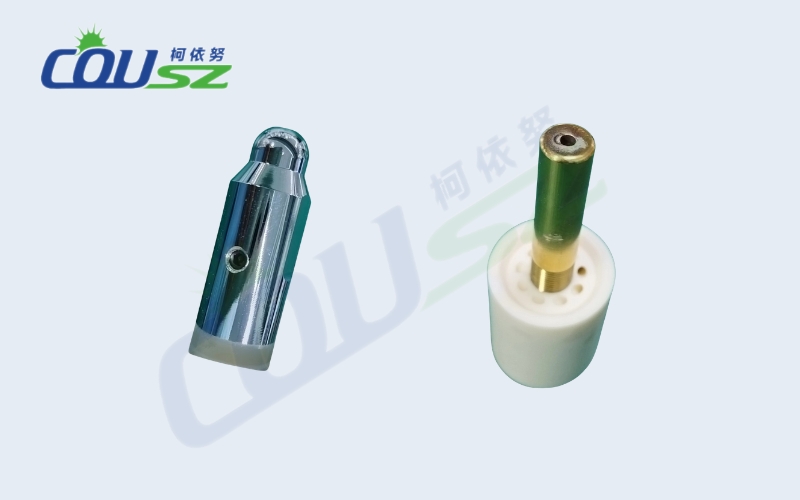
4. How to correctly select compatible plasma treatment accessories?
4.1. Ensuring system safety and preventing component failure
Purchasing and installing the incorrect plasma cleaner parts is not just a frustrating waste of the factory’s maintenance budget; it poses a very real, hidden danger of completely destroying the highly expensive RF power generator. To ensure absolute accuracy and safety when procuring replacements, procurement managers and maintenance engineers must strictly follow these verification steps:
- Verify the exact machine model: Every distinct class of machine (whether it is an atmospheric jet, a low-pressure system, or a deep vacuum chamber) possesses its own highly specific, proprietary catalog of plasma surface treatment parts. These parts are engineered for vastly different pressure environments and cannot be cross-matched or used interchangeably under any circumstances.
- Confirm precise technical dimensions: A direct jet nozzle head designed with a highly focused 2.5mm aperture requires vastly different internal aerodynamics and electrode shapes compared to a massive 50mm rotary sweeping head. Mismatching these will choke the gas flow and cause immediate plasma arc failure.
- Strictly prioritize genuine OEM components: Authentic COUSZ plasma cleaner parts are precision-machined using proprietary, heat-resistant super-alloys and advanced industrial ceramics. This specialized material engineering guarantees that the system can continuously maintain a highly stable, cool treatment temperature (typically resting between 40 to 80 degrees Celsius), ensuring the absolute safety of extremely heat-sensitive electronic components and ultra-thin polymer films.
If your maintenance team encounters any technical difficulties or confusion when trying to identify the exact plasma machine consumables required for your specific automated assembly line, do not guess. Immediately contact the dedicated engineering team at COUSZ for a precise, guaranteed component cross-reference check.
5. Why is proactive parts management a competitive advantage?
5.1. Securing your return on investment (ROI)
In the highly competitive manufacturing landscape, equipment downtime is directly equivalent to lost revenue. By strictly adhering to a proactive replacement checklist for plasma cleaner spare parts, factories achieve a significantly higher Return on Investment (ROI). Clean, highly conductive electrodes and pristine nozzles guarantee that the plasma machine outputs its maximum designed surface energy.
This unwavering consistency ensures that your downstream manufacturing processes—whether it involves dispensing structural adhesives, applying UV-curable inks, or depositing nano-coatings—will execute flawlessly. Eliminating weak adhesive bonds drastically reduces your factory’s daily defect rate, lowering material waste and protecting your brand’s reputation for uncompromising product quality.
6. Contact COUSZ for technical support and genuine parts
If your enterprise requires an official quotation for authentic plasma cleaner spare parts, or if you wish to schedule a comprehensive preventative maintenance audit for your factory’s surface treatment systems, please contact our dedicated specialists immediately:
- 👤 Ms. Yuna – Senior Technical Specialist & Plasma Solutions Expert
- 📞 Tel/Whatsapp/Wechat/Zalo: (84) 965 535 348
- 📧 Email: sales03@cousz.com
- 🌐 Website: www.cousz-vn.com