中文 (中国)
 Tiếng Việt
 한국어
한국어
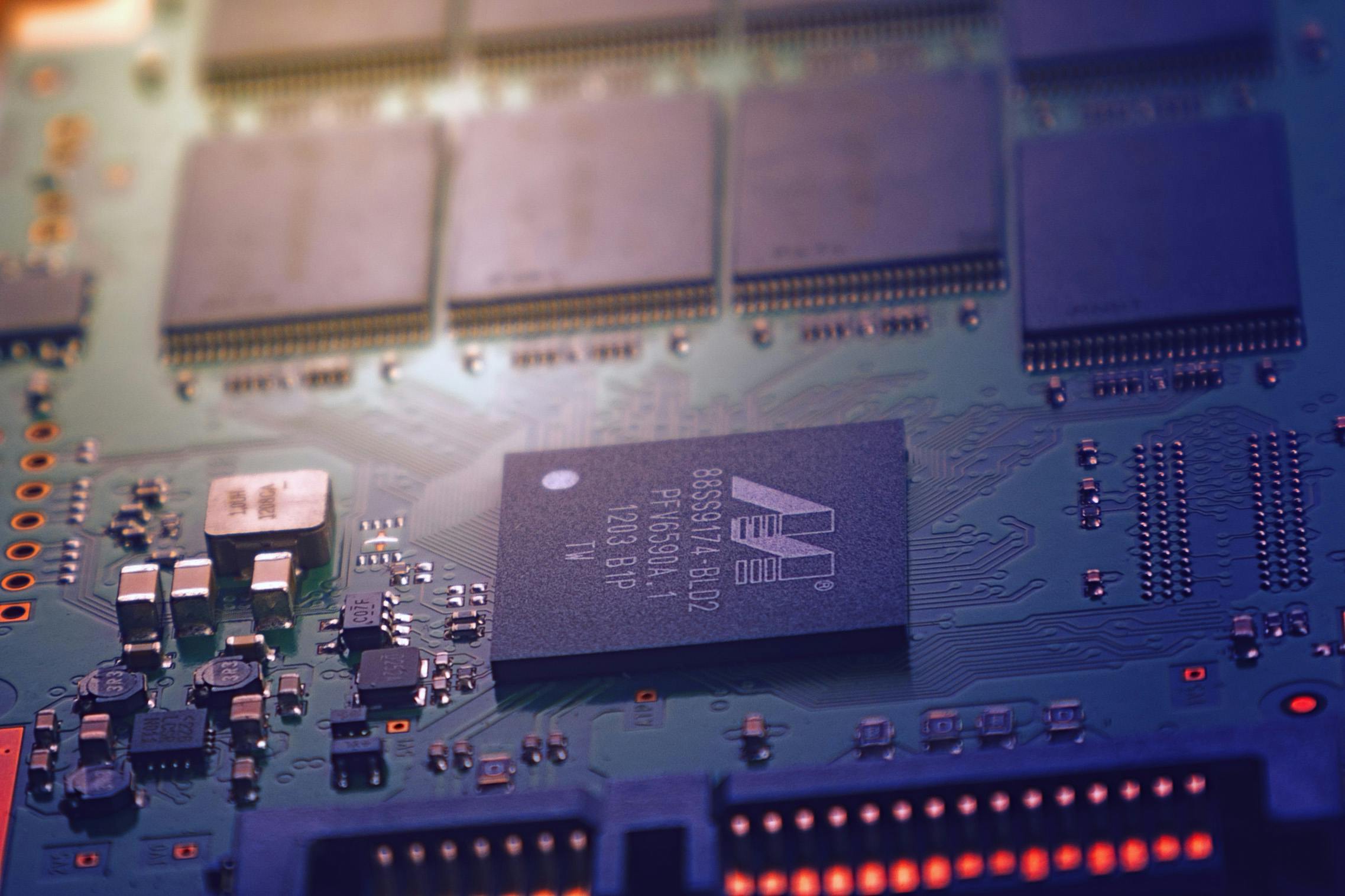
In modern industrial manufacturing, ensuring strict plasma cleaner operation safety is not merely a legal requirement; it is a critical life-saving mandate to protect both corporate assets and human personnel. While plasma technology provides unparalleled adhesion performance, it inherently involves high-voltage risks and intense ultraviolet (UV) radiation. This expert guide provides a detailed analysis of the necessary safety protocols for operating a plasma surface treatment machine—from the initial preparation phase through to routine maintenance—enabling enterprises to optimize production processes sustainably and safely.
1. Why is safety in operating plasma surface treatment machines critical?
1.1. Understanding the physics of energy-rich plasma
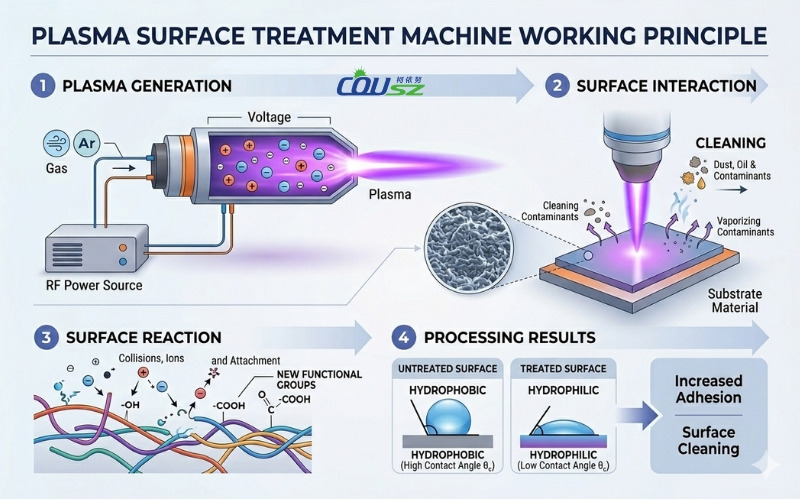
Whether utilizing atmospheric or vacuum plasma technology, the process fundamentally involves ionizing gas to generate high-energy free radicals. According to Professor Alexander Fridman, author of the seminal text “Plasma Physics,” this fourth state of matter contains massive densities of electrons and ions. Therefore, consistent plasma surface treatment machine safety requires a profound understanding of these complex physical interactions.
Failing to prioritize safety can lead to three critical consequences:
- Health risks: The ultraviolet (UV) light emitted during electrical discharge can severely damage human corneas and skin if not properly shielded.
- Fire and explosion hazards: Plasma operates at extremely high voltages. A single error in operating procedures can trigger an arc discharge, potentially causing fires or damaging sensitive electronic components.
- Gas emissions: Ionization of atmospheric air naturally produces trace amounts of Ozone ($O_3$) and Nitrogen Oxides ($NO_x$). Per OSHA (Occupational Safety and Health Administration) standards, high concentrations of Ozone can cause severe respiratory irritation if ventilation systems are inadequate.
2. What safety standards must enterprises follow?
2.1. Adhering to international machine safety protocols
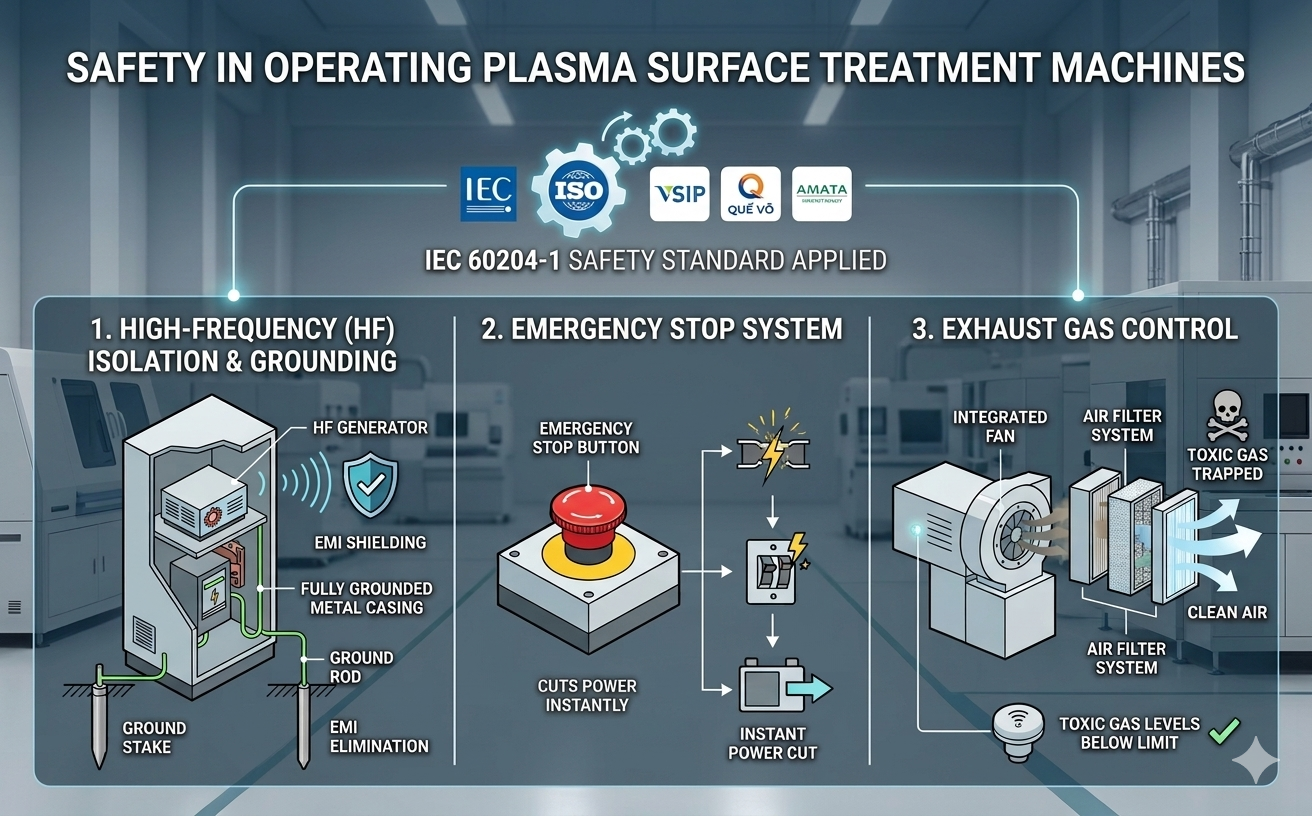
To standardize the operation of plasma surface treatment machines, international organizations have established various safety frameworks. In Vietnam, enterprises within industrial zones (such as VSIP, Que Vo, or Amata) typically implement the IEC 60204-1 standard for machinery electrical safety.
Mandatory safety requirements include:
- High-frequency shielding: The RF generator must be housed within a fully grounded metal enclosure to eliminate electromagnetic interference (EMI).
- Emergency stop systems: Must be easily accessible and capable of immediately cutting all power in the event of an operational anomaly.
- Exhaust and filtration: Systems must integrate high-capacity fans and gas filters to ensure toxic gas concentrations remain below permissible occupational exposure limits.
3. What safety measures are needed before operating a plasma cleaner?
3.1. The pre-operational safety checklist
The preparation phase determines 70% of the safety success for the entire process. Before initiating the system, technicians must complete this comprehensive checklist:
- Personal Protective Equipment (PPE): UV-blocking safety glasses (ANSI Z87.1 certified), anti-static industrial gloves, and organic vapor respirators are strictly mandatory.
- Air quality and pressure check: Utilize only Clean Dry Air (CDA). Moisture is the number one enemy, easily causing electrical leaks or shorts during plasma cleaner operation safety protocols.
- Grounding verification: Ensure all grounding points are secure. High-frequency electrical energy, if not properly dissipated, can catastrophically damage surrounding digital controllers, such as dispensers or CNC robots.
4. How to manage risks during plasma cleaner operation?
4.1. Preventing thermal burns and UV damage
While “Cold Plasma” maintains low temperatures on the substrate, the core of the spray nozzle can reach extreme temperatures. When operating a plasma surface treatment machine, never place your hands or any body part directly under the ionized plume. Furthermore:
- Utilize dark-tinted mica sheets to prevent the scattering of UV rays.
- Always maintain the manufacturer-recommended working distance between the nozzle and the material (typically 5-12 mm).
4.2. Controlling high-frequency electrical leakage
Because these systems operate at thousands of Volts, plasma cleaner operation safety demands intense focus on the integrity of high-voltage cables.
- Never touch cables during operation: Even with high-grade insulation, capacitive leakage can occur.
- Monitor control signals: If the touch screen or indicator lights flicker intermittently, immediately stop the machine and inspect the Inverter power supply for EMI issues.
5. What are the safety protocols for maintenance and shutdown?
5.1. Procedures for safe post-operational shutdown
The conclusion of a shift and the maintenance phase must be handled scientifically to avoid “indirect” accidents:
- Cooling air purge: Maintain the flow of compressed air for 30-60 seconds after shutting off the plasma generator to cool the nozzle and electrodes effectively.
- Lockout/Tagout (LOTO): During maintenance, you must lock the power source and apply warning tags. Residual electrical charge within high-voltage capacitors can cause severe shocks even after the plug is pulled.
- Cleaning the nozzle: Only perform maintenance when the nozzle has cooled completely. Use Isopropyl Alcohol (IPA) and clean wipes to remove carbon dust—a vital step in professional industrial plasma equipment safety standards.
6. Contact COUSZ technical experts for safety training
If your enterprise needs to establish an ISO-standardized plasma cleaner operation safety procedure or requires specialized technical training for your staff, connect with the experts at COUSZ immediately:
- ✨ Ms. Yuna – Senior Plasma & Surface Treatment Solutions Expert
- 📱 Tel/Whatsapp/Wechat/Zalo: (84) 965 535 348
- 📧 Email: sales03@cousz.com
- 🌐 Website: www.cousz-vn.com
We are committed to providing the most practical knowledge regarding industrial plasma operation, ensuring your factory operates safely, sustainably, and at maximum productivity. Connect today for a free consultation and sample test!