中文 (中国)
 Tiếng Việt
 한국어
한국어
The automotive industry always demands the highest levels of precision, durability, and safety. During the manufacturing process, surface treatment is a crucial stage that determines the adhesion capability, coating quality, and durability of components. One of the advanced technologies being widely adopted by manufacturers is the plasma surface treatment machine (Plasma Surface Treatment). This article will provide a detailed analysis of the applications of plasma technology in automotive manufacturing and why it has become the optimal choice for this industry.
1. Overview of plasma technology in the automotive manufacturing industry
In automotive manufacturing, components and parts made of plastic, metal, glass, or composite all require surface treatment to increase adhesion when painting, printing, gluing, or assembling. Previously, traditional methods such as using chemical cleaners or mechanical grinding were often costly, toxic, and difficult to control in terms of quality.
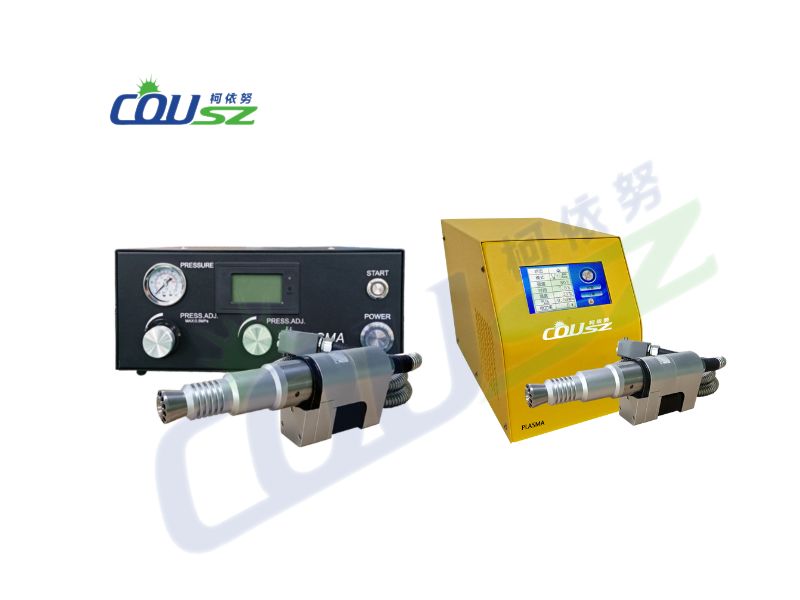
Plasma coating machines have emerged as a modern alternative, using plasma jets at atmospheric pressure or in a vacuum to remove impurities and enhance surface activity without the need for toxic chemicals. This technology is not only environmentally friendly but also delivers outstanding efficiency in terms of precision and uniformity.
2. Operating principles of a plasma machine
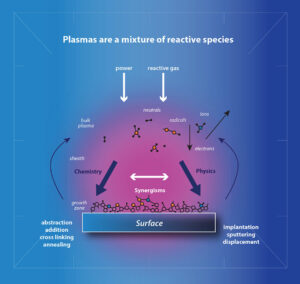
A plasma machine creates a plasma state from gases like oxygen, nitrogen, or argon under the influence of high voltage. In this state, plasma consists of high-energy ions, electrons, and free radicals. When directed onto a material’s surface, they:
- Remove layers of grease, dust, and organic impurities.
- Break the chemical bonds on the surface, creating active functional groups.
- Increase surface energy, making it easy for the material to bond with paint, glue, or other coatings.
As a result, plasma coating machines (Plasma Surface Treatment) offer uniform, fast, and safe treatment capabilities for many types of materials in automobiles.
3. Applications of plasma coating machines in automotive manufacturing
3.1. Surface treatment of plastics in interior and exterior parts
Plastic parts such as dashboards, bumpers, door handles, and decorative trims are often painted or glued. Plastic surfaces are inherently hydrophobic and difficult to adhere to. Thanks to plasma technology, the plastic surface is activated, increasing the adhesion of the paint coating and helping the product achieve high aesthetic quality, preventing peeling over time.
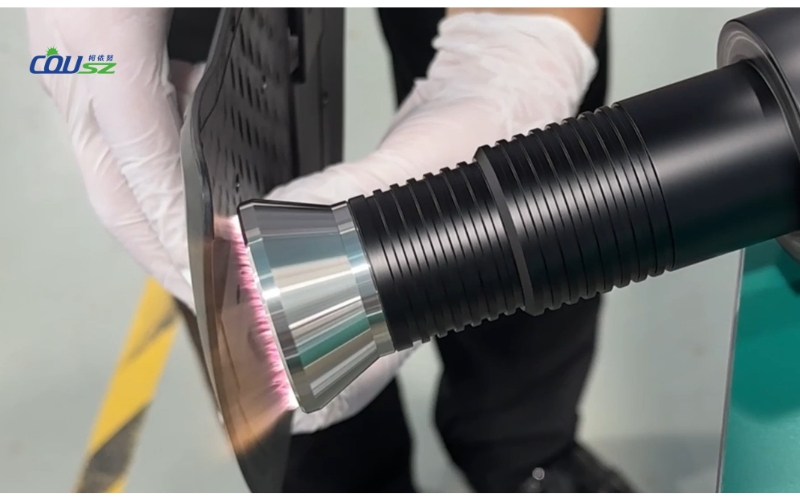
3.2. Improving the adhesion of glass and rearview mirrors
Windshields, windows, and rearview mirrors require anti-reflective, water-resistant, or scratch-resistant coatings. Plasma machines help clean and activate the glass surface, ensuring the coating adheres firmly and prolonging its service life.
3.3. Support in the production of tires and rubber components
Tires and rubber gaskets require adhesion to metal or synthetic materials. Plasma helps remove the impurity layer and enhances chemical bonding, thereby improving the bond quality during the vulcanization and machining processes.
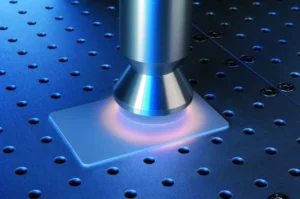
3.4. Increasing durability for metal components
Metal parts like the chassis, engine, or transmission system all need anti-corrosion coatings. Through plasma treatment, the metal surface becomes cleaner, increasing the adhesion of electrostatic paint and anti-rust coatings, thereby extending the life of the components.
3.5. Applications in automotive electronics assembly
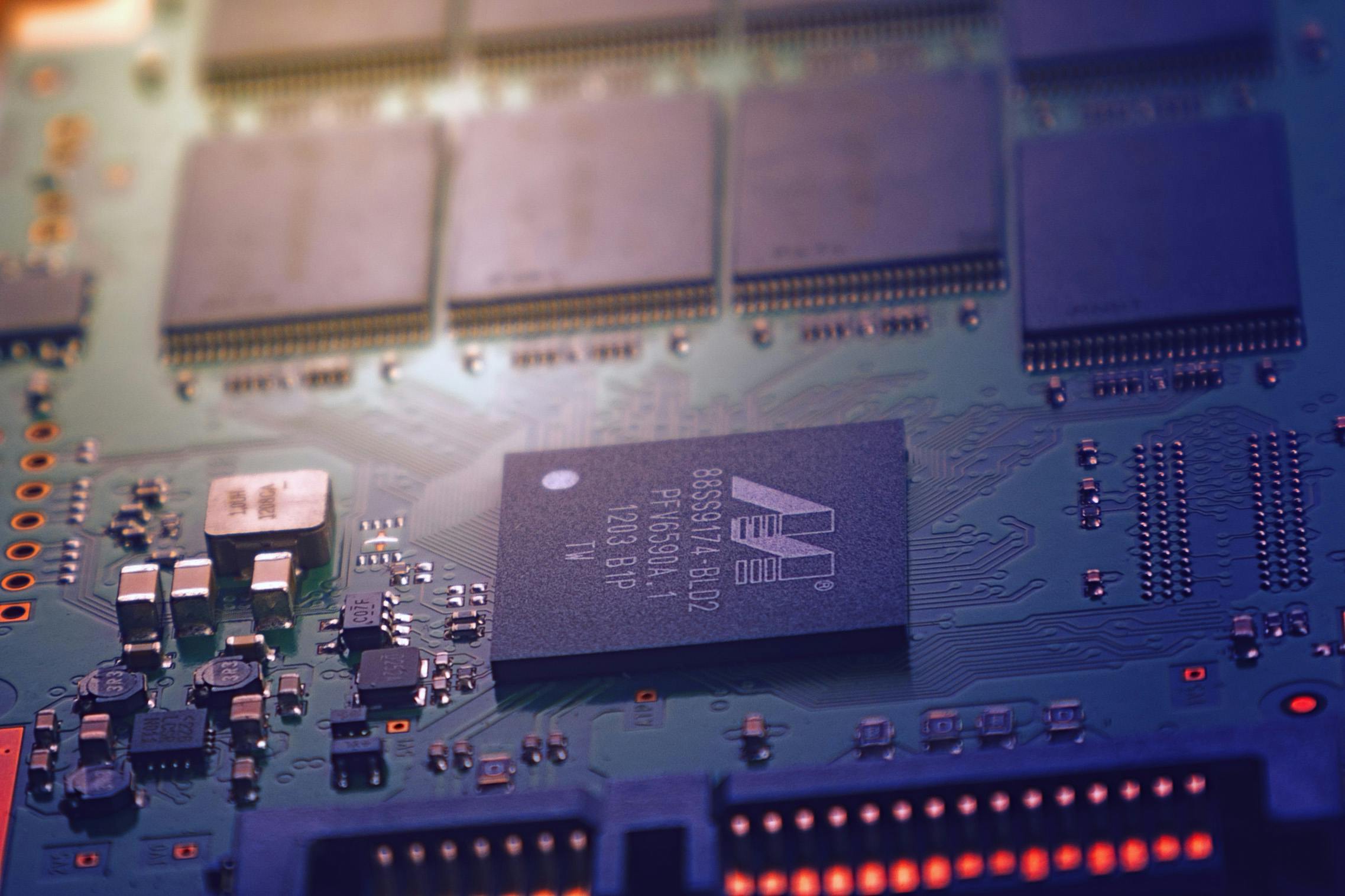
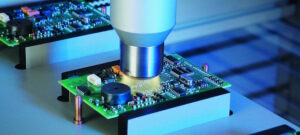
In sensor systems, printed circuit boards (PCBs), and driver assistance cameras, chip mounting and protective conformal coating require high precision. Plasma helps with microscopic cleaning, improving adhesive grip, and ensuring the long-term stability of electronic components.
4. Benefits of using plasma surface treatment machines in the automotive industry
- Enhancing product durability: After being treated with plasma, components are resistant to peeling and oxidation, maintaining long-term quality and helping the vehicle operate more stably.
- Reducing production defects: Plasma helps increase the rate of products meeting standards, reducing technical errors, thereby saving costs on inspection, warranty, and reworking.
- Environmentally friendly: This technology does not use toxic chemical solvents, limiting emissions while ensuring safety for workers during production.
- Long-term cost savings: Although the initial investment cost may be high, plasma helps reduce breakdowns, improve productivity, and optimize economic efficiency.
- Flexible applications: Can process various materials such as plastics, metals, glass, or composites, meeting the diverse requirements of modern automotive manufacturing.
5. Comparison of plasma machines with traditional methods
| Criteria | Traditional methods | Plasma machine |
|---|---|---|
| Treatment quality | Uneven, dependent on chemicals | Uniform, highly precise |
| Environmental impact | Causes pollution, difficult waste disposal | Eco-friendly, no toxic chemicals |
| Production efficiency | Slow speed, labor-intensive | Fast, easily automated |
| Long-term costs | Increases due to maintenance, recycling | Decreases thanks to high productivity, fewer defects |
From the comparison table, it is easy to see that plasma is an inevitable trend in modern automotive manufacturing.
6. Future trends of plasma applications in the automotive industry
In the era of electric vehicles (EVs) and autonomous vehicles, the requirements for precision, durability, and safety are becoming even more stringent. Major car manufacturers worldwide are actively adopting plasma surface treatment machines in:
- EV battery manufacturing, optimizing anode – cathode surfaces.
- Assembling sensors and cameras in autonomous driving systems.
- Treating recycled plastic surfaces to meet sustainability standards.
Thanks to its energy-saving, environmentally friendly capabilities, and stable quality, plasma will continue to be a core technology in next-generation automotive manufacturing.
Conclusion
In the automotive industry, surface treatment is a key stage that determines product quality and durability. With its outstanding advantages, plasma surface treatment machines not only replace traditional methods but also open up a sustainable and efficient path for manufacturers. This is the solution that helps the automotive industry meet the increasingly high demands of the market, while moving towards a green – clean – safe goal in the future.
7. Why Choose COUSZ Brand Plasma Surface Treatment Machines?
The COUSZ brand has affirmed its position in the market with high-quality Plasma coating machines, optimal designs, and competitive prices. Some highlights include:
- Stable quality, high durability
- Free consultation on machine selection, tailored to actual production needs
- Clear warranty, fast technical support
Do not hesitate to contact us today to receive a free technical consultation and a special quote from our team of experts.
 Hotline: 0965 535 348 – 0964 039 248 (Ms. Yuna / Ms. Hina)
 Email: sales03@cousz.com
 Website: https://cousz-vn.com/ |
 Nationwide Delivery – Genuine Warranty!