中文 (中国)
 Tiếng Việt
 한국어
한국어
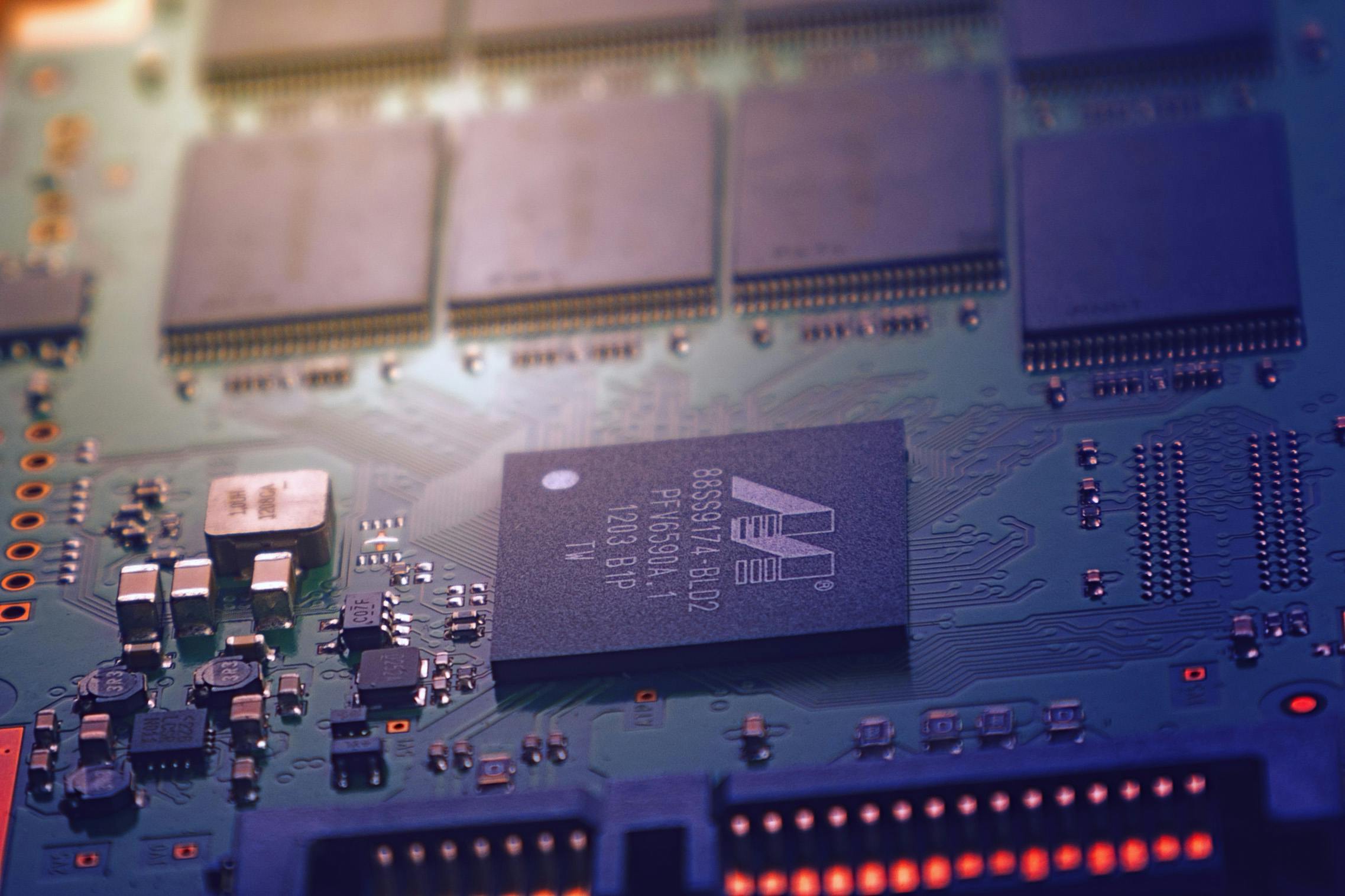
In the modern manufacturing industry, requirements for material adhesion before printing, coating, or gluing are becoming increasingly stringent. Using traditional chemical solvents is not only harmful to the environment but also fails to achieve optimal results on difficult-to-adhere materials like PP, PE, PTFE, or highly polished metals. This is where Plasma surface treatment technology emerges as the leading solution.
This article will provide a comprehensive and in-depth look at the types of Plasma surface treatment machines, helping technical managers and business owners choose the most suitable system for their production lines.
1. What is plasma surface treatment technology?
Plasma is known as the fourth state of matter (after solid, liquid, and gas). When a sufficiently large energy source is supplied to a gas, the gas molecules are ionized, creating a mixture of free electrons, positive ions, free radicals, and UV radiation. When this Plasma beam contacts the material surface, it creates changes at the nanometer level (Nanometer-level activation) through three main mechanisms:
- Ultra-fine Cleaning: Completely removes organic pollutants and microscopic grease clinging to the surface that are invisible to the naked eye.
- Surface Activation: Breaks molecular bonds on the surface and attaches polar groups (such as -OH, -COOH), significantly increasing Surface Energy.
- Micro-etching: Creates micro-roughness, enhancing the mechanical contact area for glue or printing ink.
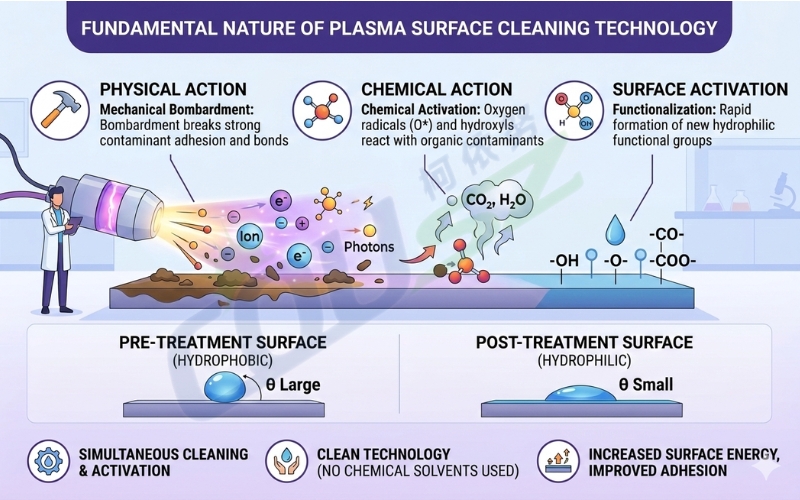
The Nature of Plasma Surface Cleaning Technology
2. Classification of Plasma Surface Treatment Machines
Based on the conditions under which Plasma is generated, Plasma surface treatment machines are divided into two main technology groups: Atmospheric Pressure Plasma and Vacuum Plasma.
2.1. Atmospheric Pressure Plasma Machines
This is the most popular type of machine in current automated production lines. The device generates a Plasma beam right under normal environmental pressure conditions, usually using compressed air or specific industrial gases (Nitrogen, Argon) as carrier gases.
- Advantages: Easy to integrate directly into continuous production lines (In-line integration). Extremely fast processing speed, low operating costs as it primarily uses compressed air.
- Disadvantages: Can only treat localized areas (where the nozzle is directed), struggles with 3D parts that have overly complex shapes or deep hidden corners.
- Applications: Treating the edges of paper boxes before gluing, surface treatment of electrical cables, plastic pipes, or cleaning electronic microcircuits before wire bonding.
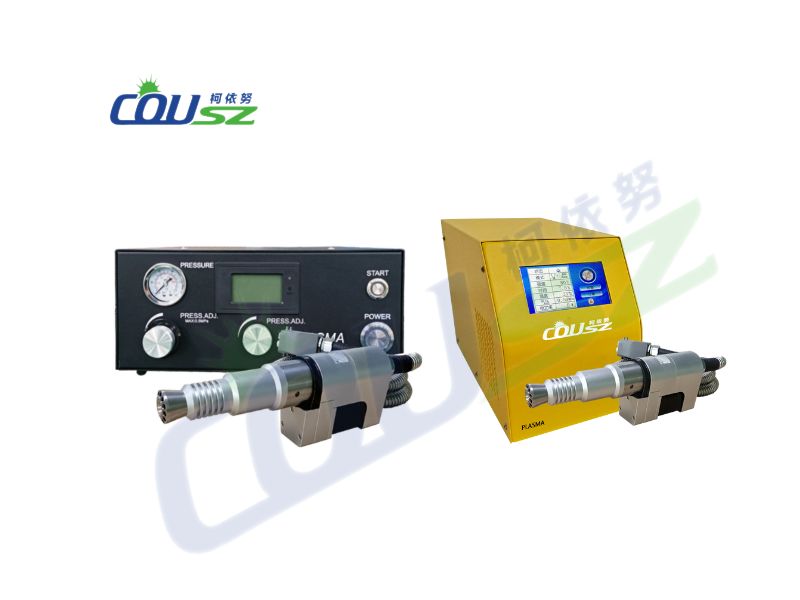
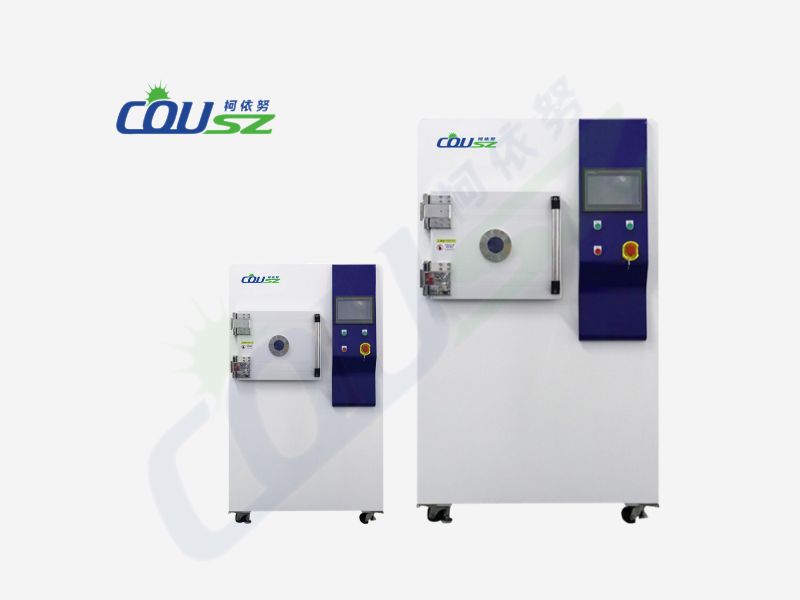
2.2. Vacuum Plasma Machines
Unlike the atmospheric environment, this machine line requires a vacuum chamber. The material is placed in a sealed chamber, then the air is pumped out to create a vacuum environment. Carrier gas is pumped in and activated by RF (Radio Frequency) or Microwave to create a Plasma environment that envelops the entire product.
- Advantages: Uniformly treats 100% of every nook and cranny of complex 3D objects. The treatment process is highly stable and can precisely control the chemical structure of the surface.
- Disadvantages: It is a batch process; it takes time to create the vacuum, so it is not suitable for continuous high-speed lines. The initial investment cost is higher.
- Applications: Medical industry (treating syringe tubes, implants), aerospace component manufacturing, and high-end semiconductor industry.
3. Classification of Plasma Machines by Nozzle Structure
For Atmospheric Pressure Plasma systems, the structure of the nozzle directly determines the treatment area and method. Here is a detailed classification:
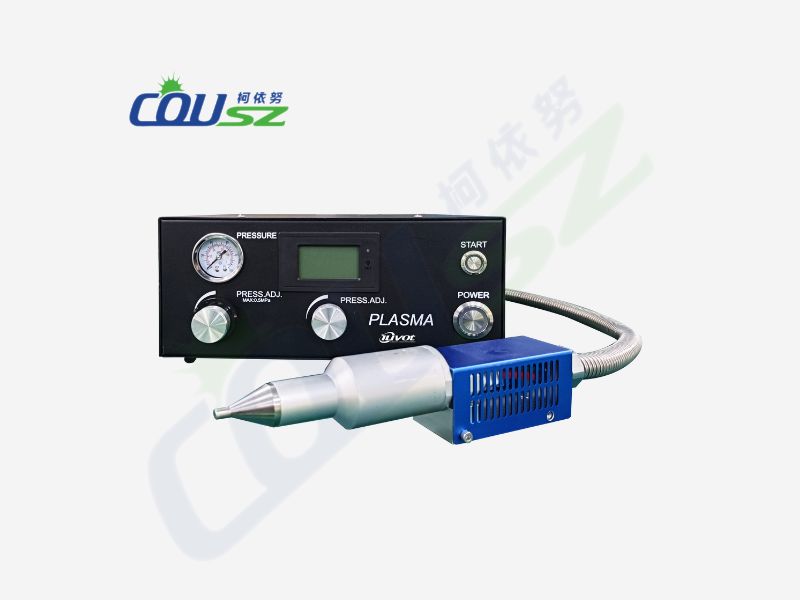
3.1. Direct Plasma Jet Machines
This type of machine shoots out a narrow and strong Plasma jet, concentrating energy on a small point. The plasma jet usually carries no electrical charge (often in the form of a Gliding Arc), making it very safe when treating flammable or heat-sensitive materials.
This line of machines is suitable for treating narrow grooves, small gluing areas, such as gluing phone screen borders, smartphone camera modules, or treating the grooves of packaging boxes.
3.2. Rotary Plasma Nozzle Machines
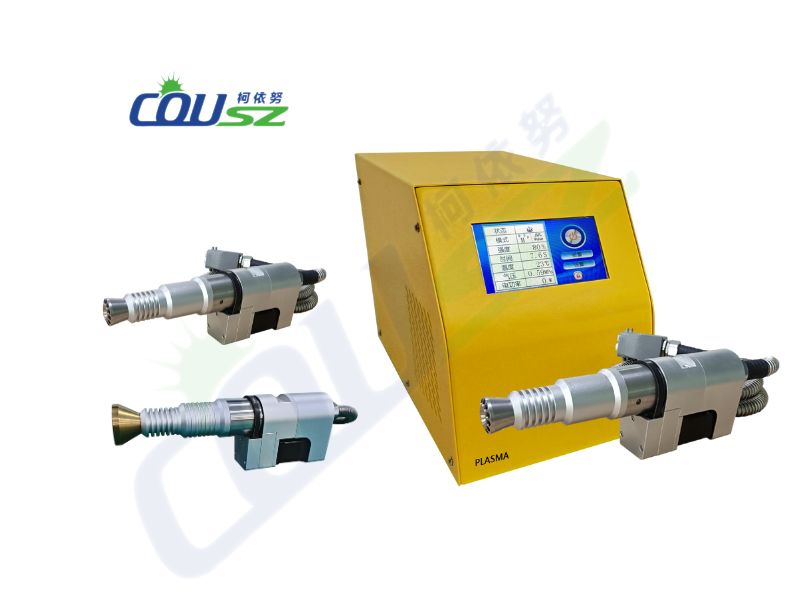
Instead of blowing out a static jet, the rotary nozzle uses a high-speed motor to rotate the Plasma jet eccentrically. This structure creates a wider treatment band (usually from 3mm to 70mm depending on the rotation speed and nozzle size).
The biggest advantage of this design is that it reduces the temperature concentrated at one point, perfectly protecting the surfaces of thin materials (like PET, BOPP plastic films) from thermal deformation while increasing the surface coverage area uniformly.
3.3. Wide Web Plasma System
Designed specifically for the film, textile, or large sheet material industries. A Wide Web Plasma system is a combination of many closely spaced nozzles or uses Dielectric Barrier Discharge (DBD) technology to treat a wide band up to several meters. This is a perfect upgrade solution replacing traditional Corona systems, providing longer-lasting treatment durability and generating no toxic Ozone gas.
4. Outstanding Benefits of Investing in a Plasma System
Understanding the types of Plasma surface treatment machines not only helps choose the right equipment but also brings valuable benefits to the business:
- Ensuring absolute quality: Completely eliminates the phenomenon of peeling ink, open glue joints – defects that cause severe damage to brand reputation.
- Eco-friendly: As a “dry” treatment solution, it completely replaces toxic chemical solvents (Primers), protecting the health of operators (such as technicians at the factory) and meeting international ESG standards.
- Saving material costs: Allows businesses to use recycled plastics or cheap basic materials while still ensuring adhesion comparable to high-end materials, thanks to intervention that changes surface tension.
- High flexibility: Easy to upgrade, integrate into robotic arms or existing CNC conveyor systems without requiring too many infrastructure changes.
5. Criteria for Selecting the Suitable Plasma Machine
To optimize ROI (Return on Investment), before deciding to invest, system engineers need to evaluate the equipment through the following parameters:
- Nature of the material: Is the material plastic, metal, glass, or semiconductor component? Is the material sensitive to temperature or electrical conductivity?
- Conveyor speed: What is the actual production line speed (m/min)? This determines the power of the Plasma machine (usually from 400W to over 1000W).
- Size of the surface to be treated: Is it necessary to treat a point, a narrow band, or the entire large surface to choose between a direct jet or rotary nozzle.
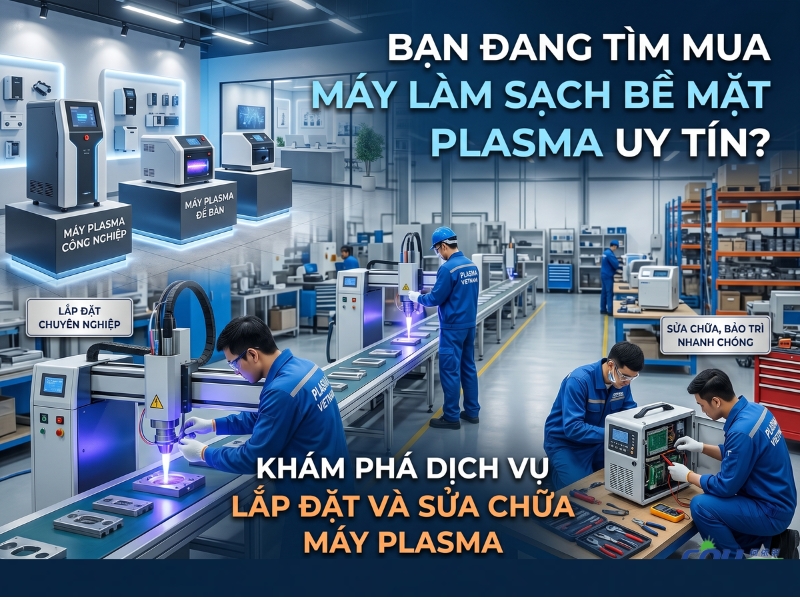
- After-sales service and technical support: Plasma is high-tech, requiring precision. Businesses need to choose a supplier with a team of experts deeply knowledgeable about materials and ready to provide quick warranty and maintenance in Vietnam.
6. Conclusion
The diversity of Plasma surface treatment machines offers comprehensive solutions for all industrial adhesion problems. From the streamlined design of direct jet atmospheric pressure Plasma to the superior coverage of vacuum Plasma systems, this technology is reshaping quality standards in key manufacturing industries.
However, each production line has its own specific characteristics. Choosing the wrong machine line not only wastes the budget but can also damage the material’s surface structure.
Do not hesitate to contact us today!
To receive free technical advice and a special quote from our team of experts today.
👤 Ms. Yuna
📞 Hotline: 0965 535 348
📧 Email: sales03@cousz.com
🌐 Website: https://cousz-vn.com/
🚚 Nationwide Delivery – Genuine Warranty!