中文 (中国)
 Tiếng Việt
 한국어
한국어
In the modern era of green manufacturing, finding the right plasma cleaner has become the core “key” to solving persistent adhesion problems on notoriously difficult materials. Choosing the correct plasma cleaning equipment not only dramatically optimizes your production line but also guarantees superior quality for your final products. This comprehensive article will deeply analyze the top four most popular machine types and update you on the latest plasma technology trends for 2026, ensuring your business has a complete, technical overview before making a critical investment.
1. What is a plasma cleaner and how does the technology work?
1.1. The science behind molecular surface activation
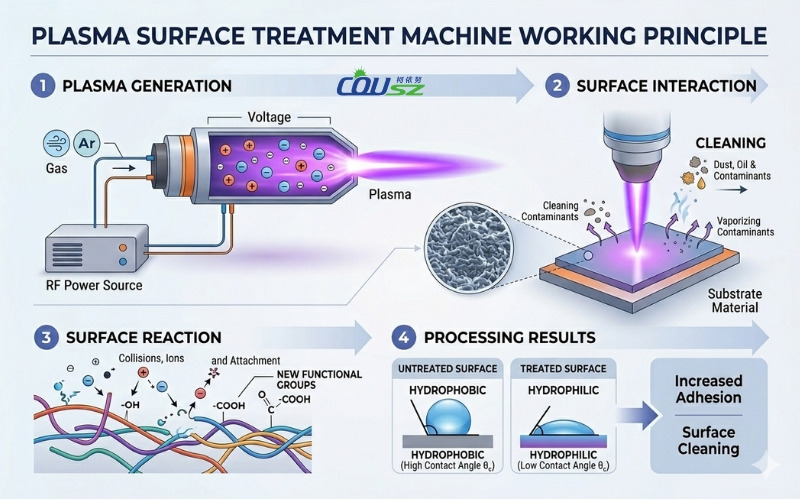
Fundamentally, utilizing a plasma cleaner involves leveraging the fourth state of matter to fundamentally alter and enhance the surface characteristics of a material at the molecular level. When specialized gas molecules are supplied with an immense amount of electromagnetic energy, they rapidly ionize. This ionization creates a highly reactive plasma plume that is densely packed with energetic ions, free electrons, and highly active radicals. When this plasma stream comes into direct contact with a substrate, it simultaneously executes a rigorous dry cleaning process and a deep chemical activation.
According to peer-reviewed research published in the prestigious Journal of Physics D: Applied Physics, applying plasma effectively increases the surface energy of stubborn plastics like Polypropylene (PP) from a low baseline of 30 mN/m to well over 72 mN/m. This specific 72 mN/m threshold is the exact ideal measurement required for liquids, inks, and adhesives to wet out and bond perfectly.
1.2. The rise of temperature-sensitive processing
A major breakthrough in recent years is the perfection of cold plasma technology. This specific advancement allows engineers to safely treat highly heat-sensitive materials—such as ultra-thin polymer films, delicate medical tubing, or microscopic electronic components—without causing any thermal warping, melting, or damage to the underlying structural integrity. This precise, damage-free capability is exactly what makes a modern plasma surface activation system completely irreplaceable in industries demanding absolute nanoscale precision and reliability.
2. What are the details of the top 4 plasma cleaner types?
Based on extensive empirical research and the strict requirements outlined by upcoming plasma technology trends, selecting the right plasma coating and cleaning device must be based on your specific treatment area and the thermal sensitivity of your materials. Below is an in-depth breakdown of the four mainstream equipment lines currently dominating the industrial market.
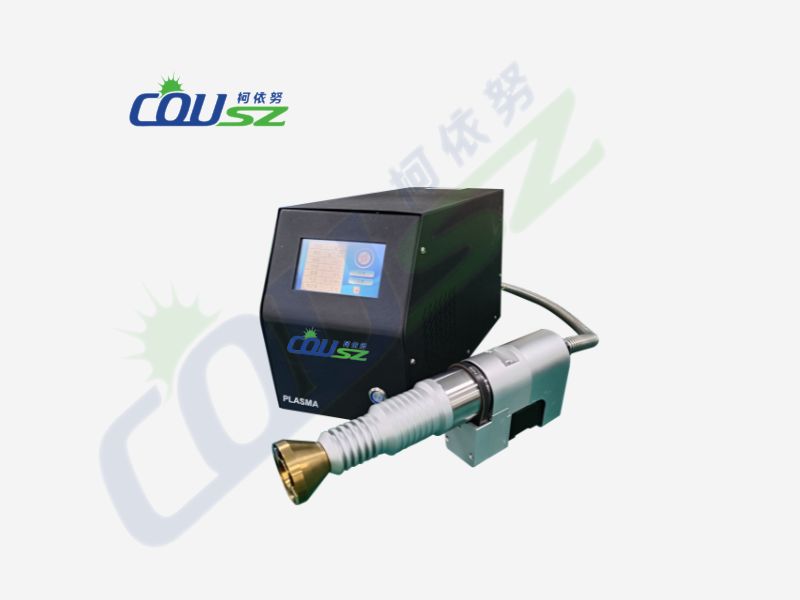
2.1. How does a low-pressure plasma cleaner operate?
The low-pressure plasma system is the premier, top-tier solution for manufacturing processes that demand absolute, uncompromising precision. Unlike traditional high-heat atmospheric plasma jets, a low-pressure plasma cleaner possesses the unique ability to maintain extremely stable, low temperatures, which typically fluctuate strictly within the safe range of 40°C to 80°C.
- Primary advantages: Thanks to its consistently low thermal output, this machine series is the undeniable number one choice for processing microelectronic components, delicate biometric sensors, and highly heat-sensitive materials (such as ultra-thin polymer membranes and medical-grade blood bags) without any fear of structural deformation.
- Working mechanism: It functions as a comprehensive, full-coverage plasma surface activation system. Because it operates in a controlled low-pressure environment, the plasma gas diffuses evenly, allowing for molecular-level activation with unparalleled uniformity across the entire batch of products.
2.2. When is a vacuum plasma cleaner the best choice?
Functionally similar to the low-pressure variants, the vacuum plasma cleaner is heavily optimized to operate in deep vacuum environments, making it the ultimate tool for thoroughly treating highly complex, three-dimensional components.
- Key characteristics: The deep vacuum environment physically allows the highly energized plasma ions to effortlessly penetrate into microscopic blind holes, deep crevices, and narrow channels. This guarantees that the product surface is meticulously cleaned and activated a full 360 degrees.
- Typical applications: These machines are most frequently deployed as a dedicated laboratory plasma system for advanced R&D, or heavily utilized in semiconductor chip manufacturing plants where the absolute removal of even the smallest organic impurities is a strict, non-negotiable requirement.
2.3. What are the benefits of a rotary nozzle plasma cleaner?
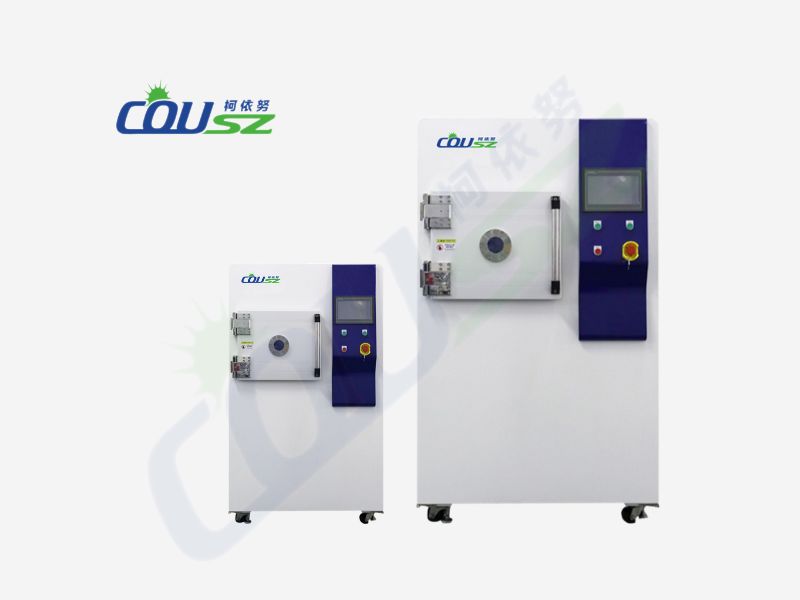
If your enterprise requires the rapid processing of large surface areas on high-speed, continuous conveyor lines, the rotary nozzle plasma cleaner is an absolute must-have piece of equipment.
- Treatment area: The most significant strength of the rotary head is its exceptionally wide impact zone. The standard nozzle sizes available for industrial applications typically include 25mm, 35mm, 50mm, and can even reach up to a massive 70mm in diameter.
- Operational efficiency: The continuous spinning motion forces the plasma beam to spread out evenly across the substrate. This design is perfectly suited to be integrated into a high-speed robotic plasma system for treating large-scale items like plastic construction panels, automotive dashboards, or architectural glass. The time required to achieve optimal surface activation is usually lightning-fast, taking only 1 to 6 seconds.

2.4. Why choose a direct jet plasma cleaner?
The direct jet plasma cleaner is a highly specialized machine that concentrates a massive amount of plasma energy into one single, pinpoint location. This intense focus delivers incredibly powerful mechanical cleaning force alongside rapid, aggressive chemical activation.
- Treatment area: In direct contrast to the wide rotary head, the direct jet line features a very small, highly concentrated treatment footprint. The nozzle sizes are extremely compact and streamlined, most commonly available in precise 2mm, 2.5mm, and 3mm configurations.
- Industrial applications: This system is incredibly effective when you need to precisely treat narrow gaps, prime small glue lines on folding carton packaging, or activate the narrow surface of extruded electrical cables. Its lightweight and compact nature makes it exceptionally easy to mount onto any flexible, automated plasma cleaning equipment line.
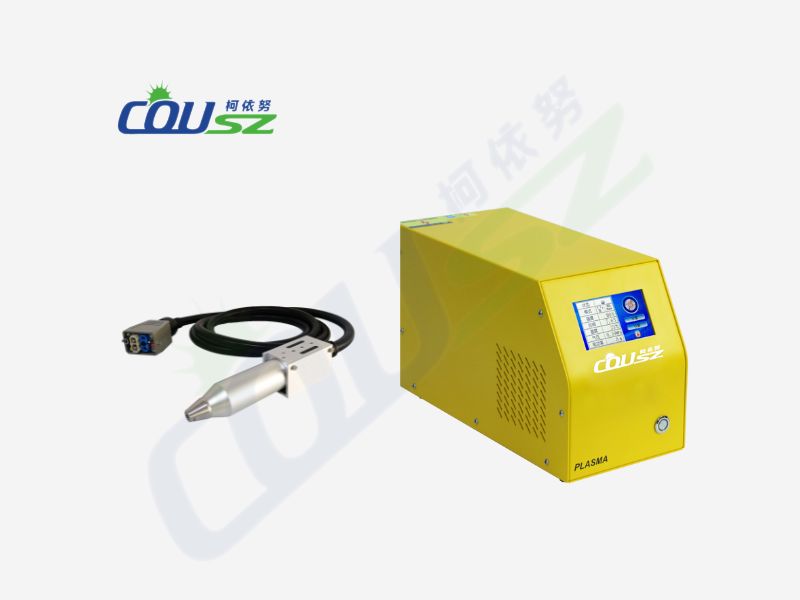
3. How do these plasma cleaner models compare?
Directly comparing the different machine lines is a vital step that helps businesses clearly determine their required investment level and project their operational efficiency. Below is a comprehensive technical comparison based on critical performance criteria:
| Plasma machine type | Effective treatment area | Operating temperature | Typical industrial applications |
|---|---|---|---|
| Low-pressure plasma | Full internal chamber | 40°C – 80°C (Very low) | Micro-components, heat-sensitive medical materials |
| Vacuum plasma | Full internal chamber (360°) | Low (Highly controlled) | Semiconductors, implantable medical devices |
| Rotary nozzle plasma | Wide (25mm – 70mm sweep) | Moderate to warm | Automotive interiors, wide plastic panels, large glass |
| Direct jet plasma | Pinpoint (2mm – 3mm focus) | Higher than rotary (Concentrated) | Carton folding/gluing, wire & cable extrusion, narrow gaps |
Regardless of which specific machine line your factory utilizes, properly applying a plasma surface activation system consistently delivers drastically superior bonding results compared to outdated, dangerous methods like open flame treatment or the application of toxic chemical primers.
4. How to choose the right plasma cleaning equipment for your business?
To successfully select the most optimal plasma cleaner for your factory floor, business owners and process engineers must base their decision on three primary foundational pillars:
- Material characteristics and thermal limits: If your base material consists of plastics with very poor heat resistance, you must prioritize cold plasma technology to strictly avoid scorching or melting the surface. Conversely, if your material is a highly porous metal or a complex 3D structure, a vacuum-based machine will be vastly more effective than a blown-air system.
- Specific adhesion requirements: For standard commercial packaging and ink printing, atmospheric plasma treatment is generally more than sufficient. However, if you are applying ultra-thin nano-protective coatings in the high-end eyewear or optical lens industry, you will absolutely require a specialized vacuum plasma coating chamber to ensure flawless uniformity.
- Future scalability and automation: The prevailing plasma technology trends for 2026 are heavily leaning toward smart, interconnected equipment. Therefore, forward-thinking enterprises should actively select plasma cleaning equipment that features built-in IoT (Internet of Things) data connectivity. This allows factory managers to perform real-time, online quality monitoring and predictive maintenance.
In Vietnam and across Southeast Asia, the dedicated engineering experts at COUSZ are always ready to assist your business. We offer extensive sample testing on our state-of-the-art robotic plasma system to help you definitively locate the “golden” processing parameters for your specific production line.
5. Why choose a plasma surface activation system from COUSZ?
COUSZ takes immense pride in being the leading pioneer in providing comprehensive plasma surface activation system solutions across the Southeast Asian market. We do far more than just sell machines; we deliver complete engineering solutions that empower your factory to lead the upcoming plasma technology trends of 2026.
- Highly diverse product portfolio: We supply everything from a compact laboratory plasma system designed for R&D departments to massive, fully automated multi-nozzle production lines.
- Elite team of experts: Our engineers possess a deep, scientific understanding of polymer surface chemistry, enabling us to help clients seamlessly optimize their plasma coating processes right from the initial R&D phase.
- Unmatched equipment durability: Every single unit of our plasma cleaning equipment is rigorously tested and holds strict international certifications, guaranteeing flawless 24/7 operation even in the harshest, most demanding industrial environments.
- Dedicated customer service: We provide real-world sample demonstrations and deliver in-depth, scientific surface energy analysis reports completely free of charge prior to any installation.
Investing in a high-quality plasma cleaner from COUSZ is a definitive, rock-solid commitment to the prestigious quality and lasting reputation of your own manufactured products.
6. What is the conclusion on investing in a plasma cleaner?
Implementing plasma coating and cleaning technology is no longer considered an optional luxury. It has rapidly become a strict, mandatory requirement for any manufacturing enterprise wishing to survive and thrive in a global supply chain that demands uncompromising quality and absolute environmental compliance. Whether you ultimately choose a high-speed robotic plasma system to aggressively maximize daily throughput, or a highly precise laboratory plasma system to achieve a technological breakthrough, the final goal remains exactly the same: achieving absolute perfection in every single detail of your product. Do not let outdated, toxic chemical treatment processes become the roadblock to your company’s growth.
7. Contact COUSZ for technical consultation
If your factory is actively searching for a high-performance plasma cleaner, or if you need to schedule a live, real-world equipment demonstration with your own materials, please contact us immediately:
- 👤 Ms. Yuna – Senior Plasma Solutions Expert
- 📞 Tel/Whatsapp/Wechat/Zalo: (84) 965 535 348
- 📧 Email: sales03@cousz.com
- 🌐 Website: www.cousz-vn.com
8. FAQs about plasma cleaning technologies
8.1. Can a plasma cleaning completely replace toxic chemical primers?
Absolutely. The implementation of a plasma surface activation system effectively and entirely eliminates the need for any hazardous, VOC-emitting chemical primers. The plasma physically forces the substrate’s surface to naturally form strong chemical covalent bonds with the main coating, adhesive, or ink. This incredible shift not only protects the environment but massively saves on recurring material and labor costs.
8.2. How long is the typical operational lifespan of a plasma nozzle?
The plasma nozzle, specifically the internal electrode, is the primary consumable component. Depending heavily on the daily operational intensity and the strict purity of your supplied compressed air, the lifespan of a high-quality electrode can easily last anywhere from 2,000 to 5,000 hours of continuous, non-stop work. With COUSZ’s scheduled periodic maintenance services, your plasma cleaning equipment will always remain at peak readiness.
8.3. Does the low-pressure plasma type have major advantages over other types?
The absolute greatest advantage of a low-pressure or vacuum system is its flawless uniformity. While an atmospheric direct jet focuses all its energy onto one tiny point, a low-pressure plasma cleaner treats every single microscopic detail of all the parts placed inside the chamber simultaneously. This makes it uniquely suited and highly superior for components with complex 3D geometries that standard blown-arc plasma simply cannot reach.