中文 (中国)
 Tiếng Việt
 한국어
한국어
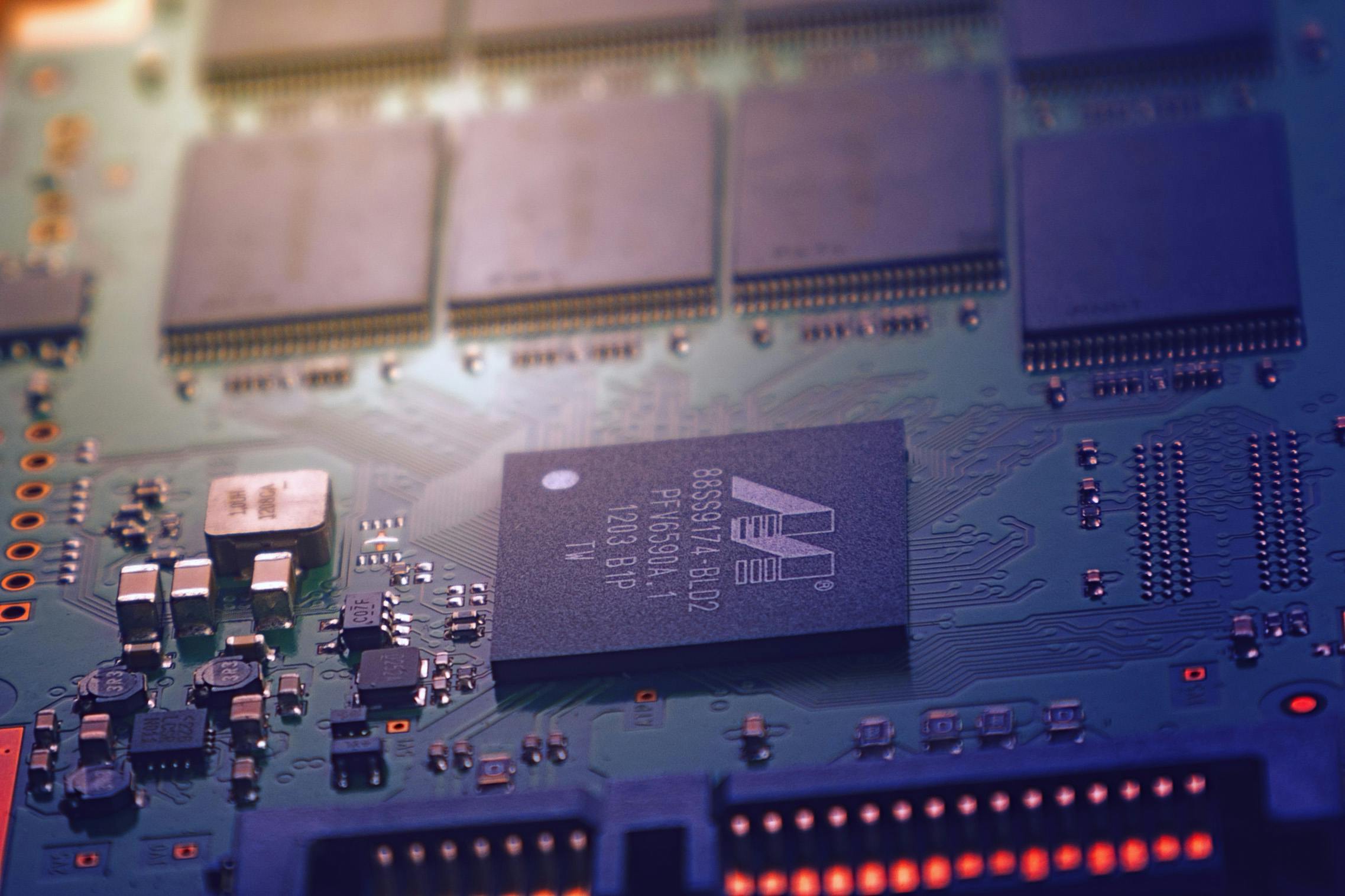
A Plasma Surface Treatment Equipment is an advanced solution that helps improve adhesion, clean, and activate material surfaces without causing damage. This technology is increasingly widely applied in printing, electronics, automotive, medical, and many other industries. The article below will help you clearly understand what a plasma machine is, its operating principles, as well as the benefits it brings.
1. What is a Plasma Surface Treatment Equipment?
A Plasma Surface Treatment Equipment is a device that uses plasma technology to impact a material’s surface, aiming to change its chemical and physical properties. The goal is to improve adhesion, clean dirt, remove grease, or increase the hydrophilicity of the material.
Plasma is the fourth state of matter, alongside solid, liquid, and gas. It is formed when a gas (such as air, oxygen, argon) is ionized at high temperatures or high voltages, creating highly active ions, electrons, and free radicals.
In manufacturing, a Plasma Surface Modification System helps enhance the efficiency of stages such as printing, gluing, painting, plating, or assembling electronic components.
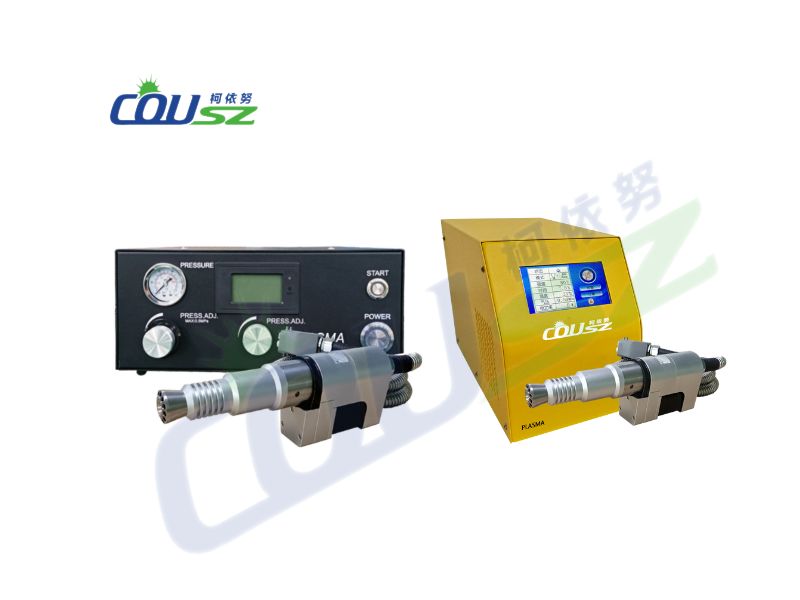
2. Basic structure of a Plasma Surface Modification System
A typical Plasma Surface Modification System includes these main components:
- Plasma generator: Supplies energy to generate plasma from gas.
- Treatment chamber or plasma nozzle: Where the plasma directly contacts the material surface.
- Gas supply system: Introduces appropriate gases into the treatment zone.
- Control unit: Allows the operator to adjust time, power, and processing parameters.
- Safety system: Protects users from UV rays, high voltage, and reactive gases.
3. How does plasma technology work?
The operating process of a Plasma Surface Treatment Equipment can be summarized as follows:
- Gas supply: The machine is supplied with an appropriate gas such as air, oxygen, nitrogen, or argon.
- Plasma generation: An energy source (high frequency, microwave, or electrical arc) ionizes the gas, turning it into plasma containing charged particles and free radicals.
- Surface impact: The plasma stream contacts the material surface, breaking the molecular bonds of dirt, grease, or restructuring chemical functional groups on the surface.
- Improving surface properties: After treatment, the surface becomes cleaner, has higher adhesion, or changes its hydrophilic/lipophilic properties depending on the purpose.
4. Common types of plasma technologies
In the field of surface treatment, there are two main plasma technologies:
- Vacuum Plasma (Low-pressure plasma)
- Operates in a sealed chamber at low pressure.
- High uniformity, suitable for products with complex shapes.
- Commonly used in the electronics and medical industries.
- Atmospheric Plasma (Atmospheric pressure plasma)
- Operates in an atmospheric environment, requiring no vacuum chamber.
- Flexible, can be integrated directly into production lines.
- Suitable for printing, packaging, plastics, and glass.
5. Applications of a Plasma Surface Modification System
5.1. Printing and packaging industry
- Cleaning and activating plastic, paper, or metal surfaces for better ink adhesion.
- Reducing peeling or ink smudging defects.
5.2. Electronics industry
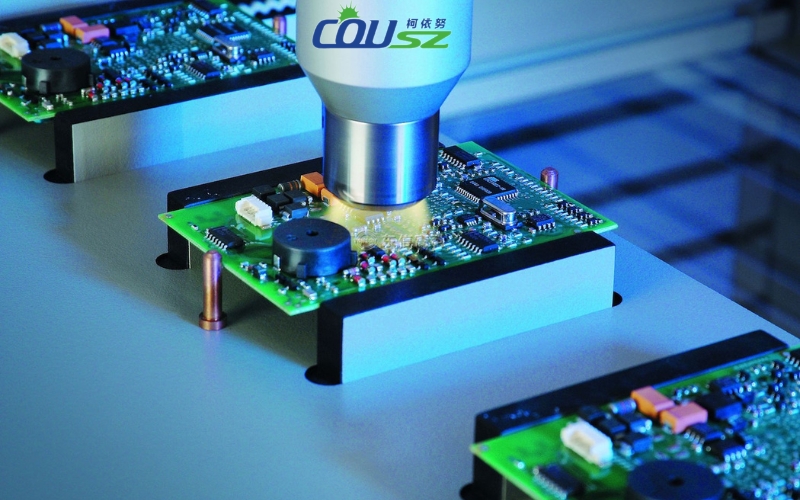
- Cleaning PCB boards, removing dirt and oil before conformal coating or soldering.
- Improving the adhesion of protective coatings or component adhesives.
5.3. Automotive industry
- Treating plastic and rubber surfaces before painting or assembly.
- Increasing bond durability in interior and exterior parts.
5.4. Medical industry
- Cleaning and sterilizing medical instrument surfaces without chemicals.
- Improving the bonding capability of biological coatings.
5.5. Plastics and glass industry
- Enhancing the adhesion of paints, glues, or functional coatings.
6. Benefits of using a Plasma Surface Treatment Equipment
- No toxic chemicals used → Eco-friendly, safe for operators
Plasma technology operates entirely based on ions and plasma gas, requiring no hazardous solvents or cleaning chemicals. This eliminates the risk of environmental pollution and ensures absolute safety for the operator’s health. - High efficiency → Cleans and improves surfaces in just seconds
Under the impact of plasma, layers of dirt, grease, or impurities clinging to the surface will be removed quickly. Simultaneously, plasma energy activates the material surface, helping to increase the adhesion of coatings, glues, or paints. - Increased product durability → Reduces peeling defects, extends bond lifespan
Thanks to a well-cleaned and activated surface, the coating or adhesive bond will grip more tightly, minimizing peeling or cracking during use, giving the product higher durability. - Cost savings → Reduces the need for glue, paint, or chemical treatments
When a surface is processed by a Plasma Surface Modification System, the amount of glue or paint needed is less while still ensuring adhesion and product quality. This helps businesses significantly save on raw material costs and waste treatment costs. - Diverse applications → Suitable for many materials: plastics, metals, glass, ceramics…
A plasma machine can be applied to many different materials, from engineering plastics, metals, and glass to ceramics and composite materials. Thanks to this flexibility, the equipment meets the needs of many industries such as electronics, automotive, packaging, and medical…
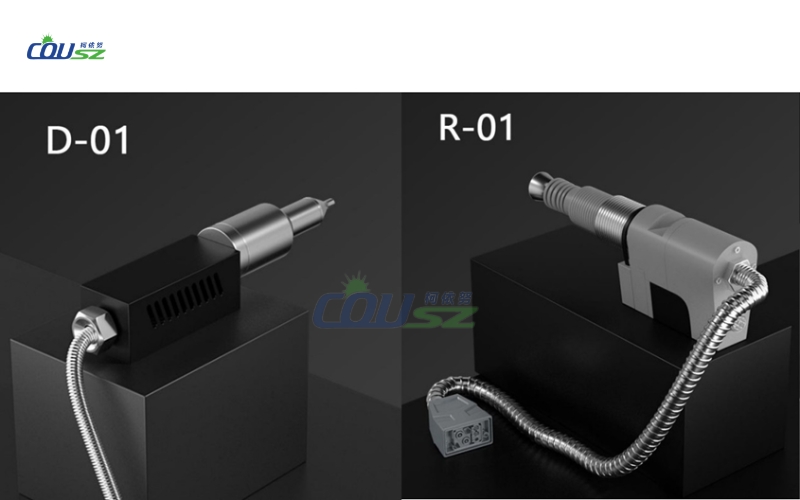
7. Criteria for choosing a Plasma Surface Treatment Equipment
- Technology type: Low-pressure plasma or atmospheric pressure plasma.
- Treatment area size: Suitable for the product being treated.
- Processing speed: Meets the production line’s capacity.
- Control features: Easy to use, precise parameter adjustment.
- Operating and maintenance costs: Ensures long-term economic efficiency.
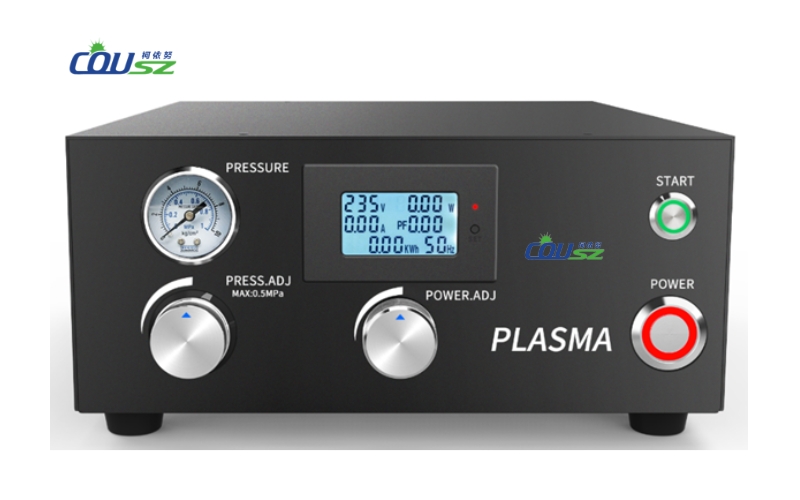
8. Why should you choose COUSZ brand Plasma machines?
The COUSZ brand has affirmed its position in the market with high-quality Plasma Surface Modification System solutions, optimal designs, and competitive prices. Some highlights include:
- Stable quality, high durability
- Free consultation on machine selection, tailored to actual production needs
- Clear warranty, fast technical support
Do not hesitate to contact us today to receive a free technical consultation and a special quote from our team of experts.
 Hotline: 0965 535 348 (Ms. Yuna / Ms. Hina)
 Email: sales03@cousz.com
 Website: https://cousz-vn.com/
 Nationwide Delivery – Genuine Warranty!