
 中文 (中国)
 Tiếng Việt
 한국어
한국어
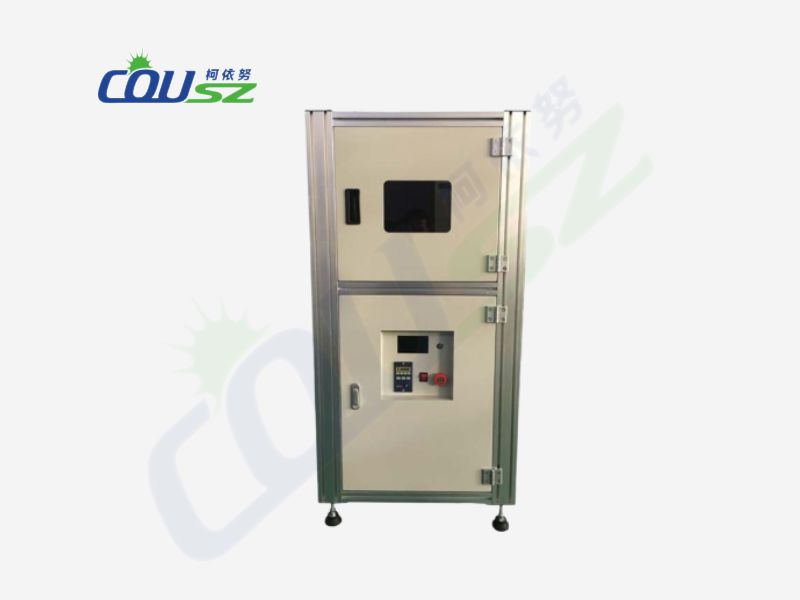
Vacuum Plasma Treatment System – The Optimal Solution for Surface Adhesion
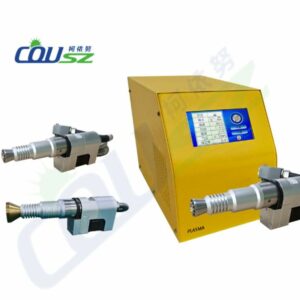
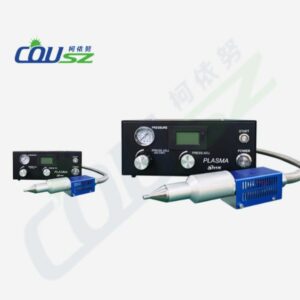
The Vacuum Plasma Treatment System is an advanced surface treatment technology widely used in electronics, engineering plastics, precision components, and modern industrial manufacturing. By operating in a controlled vacuum environment, the system delivers outstanding surface cleaning and activation performance, significantly improving the adhesion of adhesives, inks, and functional coatings.
1. Introduction to the Vacuum Plasma Treatment System
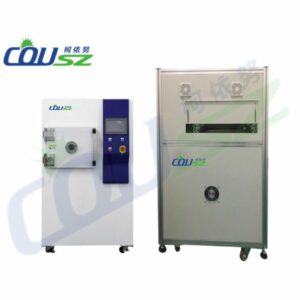
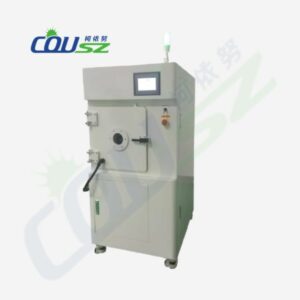
The Vacuum Plasma Treatment System utilizes high-energy plasma to directly treat material surfaces inside a sealed vacuum chamber. This process effectively removes organic contaminants, oils, moisture, and residues while simultaneously generating active functional groups on the surface. As a result, surface energy is substantially increased, enabling stronger and more durable bonding between materials and applied coatings.
Compared with conventional surface treatment methods, this system offers higher stability, excellent repeatability, and is especially suitable for mass production processes requiring high precision and consistent quality.
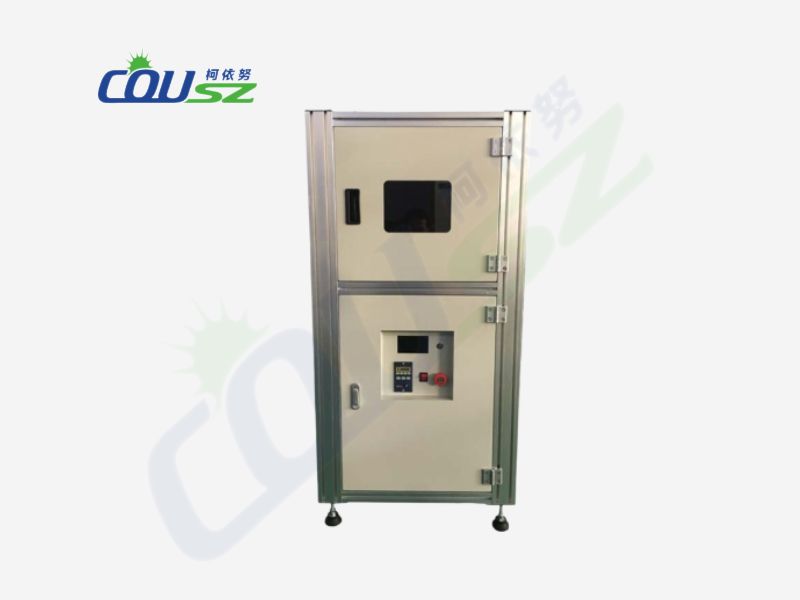
2. Structure of the Vacuum Plasma Treatment System
A standard Vacuum Plasma System typically consists of the following key components:
-
Vacuum chamber: Manufactured from high-pressure-resistant materials and equipped with a combination of mechanical pumps and turbomolecular pumps to ensure a stable vacuum environment.
-
Plasma source: Generates plasma using process gases such as O₂, Ar, or N₂ for surface cleaning, activation, or surface modification.
-
Gas supply system: Precisely controls gas type and flow rate during the treatment process.
-
Control system: Fully automated operation, managing vacuum pressure, plasma power, and processing time.
-
Workpiece holding system: Adjustable or rotatable fixtures ensure uniform plasma exposure across the entire surface.
3. Comparison with Low-Pressure Plasma Coating Systems
When compared with low-pressure plasma coating systems, the Vacuum Plasma Treatment System shows several distinct differences:
-
Purpose of application: Vacuum plasma treatment focuses on surface cleaning and activation, whereas low-pressure plasma coating systems are primarily designed for depositing material layers.
-
Uniformity: The vacuum environment ensures more uniform treatment, especially for complex or three-dimensional components.
-
Purity and stability: Vacuum plasma minimizes oxidation and contamination, delivering more consistent and reliable results.
-
Investment cost: Although the initial investment is higher, the vacuum system provides long-term efficiency and superior quality for high-demand applications.
Conclusion
With its deep cleaning capability, efficient surface activation, and precise process control, the Vacuum Plasma Treatment System is an ideal solution for manufacturers seeking to enhance adhesion performance and product reliability in modern industrial production.
📞 Consultation & Quotation for Vacuum Plasma System
Are you looking for a vacuum plasma solution tailored to your production line?
Ms. Yuna
📞 Hotline: +84 965 535 345
✉️ Email: sales03@cousz.com
Vacuum Plasma Treatment System
The Vacuum Plasma Treatment System enhances surface adhesion through advanced plasma cleaning in a controlled vacuum environment.
Product SKU: VACUUM02E
Product Brand: COUSZ
Product Currency: VND
Product Price: 8888
Price Valid Until: 2025-12-31
Product In-Stock: InStock









admin –
Contact now for technical support!
Ms Yuna
📞 Hotline: +84 965 535 348
✉️ Email: sales03@cousz.com