中文 (中国)
 Tiếng Việt
1. What is a UV meter and does it require special state management?
Before preparing the paperwork for importing UV meters, enterprises must clearly define the technical nature of the goods. A UV meter (or UV Radiometer) is specialized equipment used to measure ultraviolet radiation across UVA, UVB, UVC, or UVV wavebands. In industrial adhesive and ink curing, this device plays a vital role in calibrating the energy emitted from LED or mercury lamps.
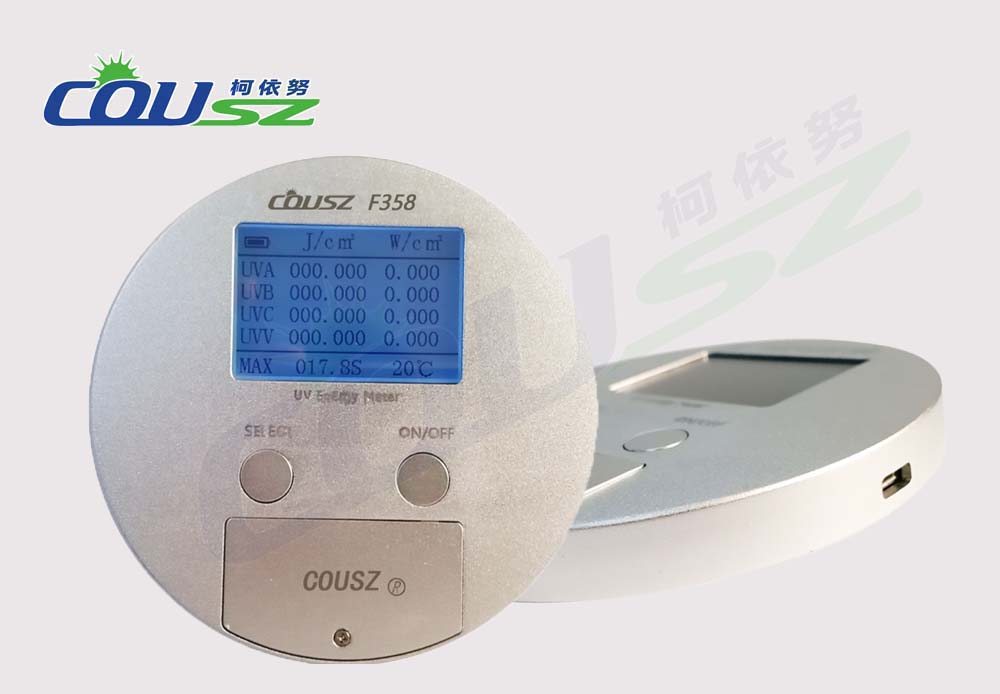
1.1. Classification of uv measuring instruments
According to current regulations by the Ministry of Science and Technology (MOST) of Vietnam, measurement devices are divided into two main categories:
- Group 1 measuring devices: Used in scientific research and controlling technological processes. This group generally does not require strict state verification upon import.
- Group 2 measuring devices: Used for quantifying commercial goods, services, safety, and health protection. This group strictly requires type approval and verification.
Most UV measuring instruments used in laboratories or for internal production line control fall into Group 1. Therefore, the procedure for importing UV meters of this type is relatively straightforward, free from the complex type-approval required for items like electronic scales or power meters.
1.2. Do you need a specific import license?
A common question is whether a specific permit is required. Based on Decree 69/2018/ND-CP, 100% brand-new UV measuring instruments are not on the list of banned imports or quota-based items. You can clear them as standard commercial goods. However, if the equipment is used (second-hand), the regulations become extremely strict under Decision 18/2019/QD-TTg regarding the import of used machinery.
Furthermore, under Circular 22/2013/TT-BKHCN, these industrial sensors do not fall under Group 2 goods requiring state quality inspection (unless specifically used for medical radiation safety). This significantly accelerates the importation timeline.
2. What is the correct hs code for uv radiometer and what are the import taxes?
Determining the exact HS code for UV radiometer models is the most critical step to ascertain tax obligations and avoid penalties for misdeclaration. In the import-export tariff schedule, these devices typically fall under Chapter 90: Optical, photographic, cinematographic, measuring, checking, precision, medical or surgical instruments and apparatus; parts and accessories thereof.
Suggested tariff codes and tax rates for 2026
Depending on the technical construction (whether utilizing purely optical or electronic phenomena), the following codes apply:
| HS Code | Description | Preferential Import Tax | VAT Rate | Usage Note |
|---|---|---|---|---|
| 9027.50.00 | Other instruments and apparatus using optical radiations (UV, visible, IR) | 0% | 8% – 10% | The most accurate HS code for UV radiometer models used in standard industrial applications. |
| 9030.33.90 | Other instruments for measuring or checking voltage, current, resistance or power | 0% | 8% – 10% | Applies specifically to certain purely electronic testing devices without recording apparatus. |
Applying the wrong HS code can result in tax arrears or fines ranging from 10% to 20% of the under-declared tax amount. If you hold a Certificate of Origin (C/O) from Free Trade Agreement regions (like Form E for China, Form D for ASEAN), the import tax is typically reduced to 0%.
3. What documents are required for the customs clearance process?
To navigate the customs clearance process smoothly, businesses must prepare a comprehensive dossier in accordance with Circular 39/2018/TT-BTC. Having proper paperwork ensures you gain the benefits of having your equipment arrive on time to optimize your production lines.
Essential shipping and commercial documents
The core documents include:
- Sales Contract: Clearly states the transaction terms, equipment name, model, and value.
- Commercial Invoice: Must explicitly state the machine model to match the declared HS code.
- Packing List: Details packaging specifications, net weight, and gross weight.
- Bill of Lading (B/L): The sea or air transport document.
- Certificate of Origin (C/O): Extremely important to enjoy the 0% preferential import tax.
- Technical Catalog/Data Sheet: Used to explain the features, functions, and wavelength range to customs officials.

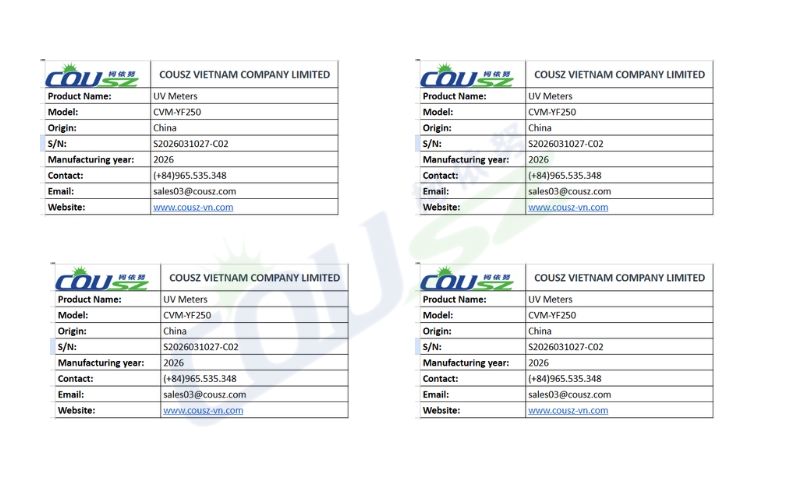
When executing the customs clearance process, preparing a Vietnamese translation of the catalog helps customs officers quickly understand the nature of the goods, avoiding time-consuming physical inspections. Additionally, pay attention to Labeling under Decree 111/2021/ND-CP; the physical machine must display: Product Name, Manufacturer Name/Address, Origin, and Model.
4. What are the common errors when importing uv meters and how to fix them?
In the practical reality of importing UV meters, many enterprises encounter unexpected troubles. Below are common errors and how to prevent them to protect your investment.
Dealing with labeling and calibration certificate issues
- HS Code Discrepancy: Customs officers might disagree with your declared code and demand one with a higher tax rate. Solution: Always prepare comparative technical documents and previous classification analysis results of similar shipments.
- Labeling Errors: Goods arrive at the port, but the labels do not match the documents or lack origin information. Solution: Request the supplier to send actual photos of the labels before shipment. If errors are found, fix them at the export origin to avoid administrative fines during the customs clearance process.
- Missing Calibration Certificate: While not legally mandatory for clearance, a proper device needs a certificate to ensure accuracy in production. Solution: Always require the manufacturer to provide a Certificate of Calibration (typically NIST-traceable).
- Importing Non-Compliant Used Equipment: Used devices over 10 years old will be rejected under Decision 18/2019/QD-TTg. Solution: Double-check the Year of Manufacture. Used imports require a formal appraisal by MOST-designated organizations.
5. Where to get technical consultation for uv curing systems?
At COUSZ Vietnam, we do more than just supply top-tier measurement devices; we provide comprehensive technical solutions to optimize your drying processes. If you need assistance navigating equipment specifications, please contact us.
Contact COUSZ vietnam for expert support
For inquiries regarding products, integration, and a UV meter application in monitoring UV curing efficiency and consistency, please reach out to our team:
👤 Ms. Yuna
✨ UV Measurement Equipment Consultant – COUSZ Vietnam
📞 Tel/Whatsapp/Wechat/Zalo: (84) 965 535 348
📧 Email: sales03@cousz.com
🌐 Website: www.cousz-vn.com
6. Faqs – frequently asked questions about importing uv meters
6.1. Do these devices need an import permit?
If the machine is 100% brand new, the answer is No. You can proceed with importing UV meters as normal commercial goods. However, ensure the device does not integrate hazardous radioactive sources, which would trigger strict radiation safety laws.
6.2. Which hs code is best to optimize taxes?
The most accurate HS code for UV radiometer devices is generally 9027.50.00. This applies to physical analysis instruments using optical radiation. With a valid preferential C/O, your import tax will drop to 0%.
6.3. What is the most common labeling mistake when importing uv meters?
The most frequent error is missing the “Made in [Country]” phrase or having a manufacturer name that doesn’t perfectly match the commercial invoice. Labels must be securely affixed directly to the device body, not just the outer cardboard box.
6.4. Can I import second-hand uv equipment?
Yes, but under strict conditions. The equipment must not be older than 10 years from the date of manufacture and must meet Vietnam’s safety and energy efficiency standards. A formal appraisal dossier is required before clearance.
6.5. Is immediate calibration required upon import?
If the device is for internal process control (Group 1), immediate state verification is not legally mandated. However, to ensure curing quality, we strongly recommend a 12-month periodic calibration at reputable centers to maintain long-term operational value.