中文 (中国)
 Tiếng Việt
 한국어
한국어
In modern packaging manufacturing, ensuring the printability, labeling capability, and adhesive durability of materials is a key factor. Plasma Surface Treatment technology is becoming an advanced solution that helps improve production efficiency while meeting requirements for quality, aesthetics, and sustainability. The following article will detail the important applications of plasma in the packaging industry, from printing and lamination to surface protection.
1. What is a Plasma Surface Treatment Machine?
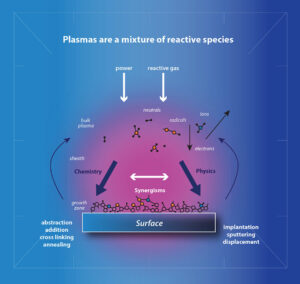
Plasma is the fourth state of matter, formed when a gas is ionized under the influence of electrical energy. In this state, high-energy particles such as ions, electrons, and free radicals can strongly impact the material’s surface.
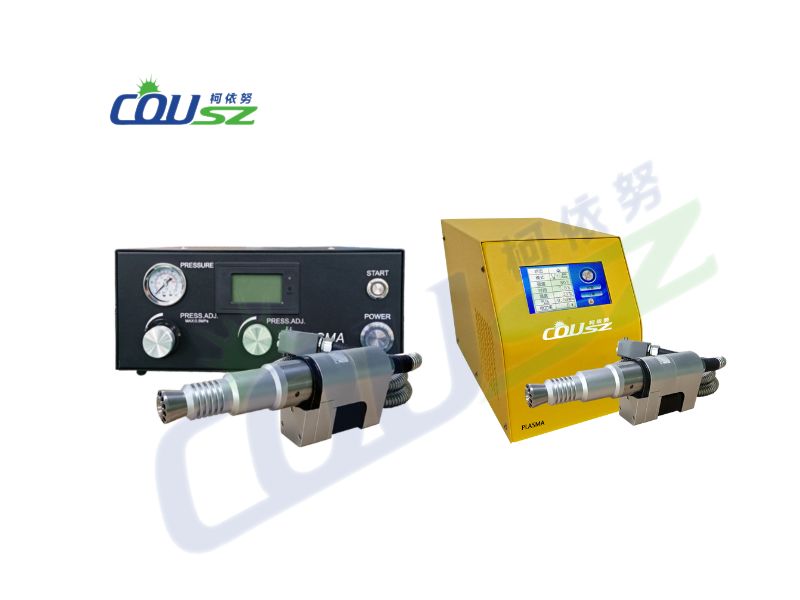
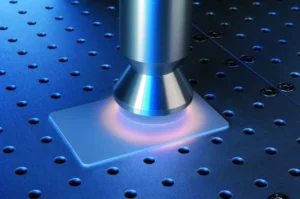
Plasma surface treatment machines use this technology to clean, activate, and modify surface characteristics. For packaging, plasma helps increase the surface energy of materials like plastics, paper, films, or thin metals, thereby improving the adhesion of printing inks, adhesives, and protective coatings.
2. Current Challenges in Packaging Manufacturing
The packaging industry is growing with increasingly stringent requirements:
- High-quality printing: Printing ink needs to adhere firmly to plastic, film, or coated paper.
- Labeling and lamination: Protective film layers must bond tightly without peeling.
- Product protection: Packaging needs moisture resistance, oxidation resistance, and the ability to extend shelf life.
- Eco-friendliness: Reduce chemical use, save energy, and limit waste.
However, many packaging materials (especially PE, PP, PET plastics) inherently have low surface energy, making printing, coating, or labeling difficult. This is exactly why plasma coating machines are widely applied to overcome these issues.
3. Operating Principles of Plasma Coating Machines in Packaging Treatment
The plasma packaging treatment process occurs in the following basic steps:
- Plasma generation: Clean compressed air (usually dry air) is ionized to form plasma.
- Surface impact: High-energy particles break down layers of organic impurities, oil, grease, or dust.
- Surface activation: Plasma alters the chemical structure, increasing surface energy and allowing ink, glue, or coating molecules to adhere more firmly.
- Bond stabilization: After treatment, the surface maintains long-lasting adhesion, resisting peeling during use.
An outstanding advantage is that this technology can be integrated directly into the packaging production line, operating continuously without interrupting the process.
4. Applications of Plasma Surface Treatment Machines in Packaging Manufacturing
4.1. Enhancing print quality on packaging
One of the most important applications is improving ink adhesion. With untreated PP or PE plastic, printing ink easily smudges, peels, or scratches. Plasma helps:
- Increase ink adhesion on plastics, films, and coated paper.
- Make colors bright, sharp, and long-lasting.
- Limit ink smudging when exposed to moisture or friction.
As a result, printed packaging products like plastic bags, film-coated paper boxes, and product labels have higher aesthetics and durability.
4.2. Improving labeling and lamination capabilities
Modern packaging often requires a combination of multiple material layers, for example: plastic – aluminum, plastic – paper, or plastic – plastic. Plasma assists by:
- Increasing adhesion between material layers during lamination.
- Preventing labels from peeling off during storage.
- Helping adhesives distribute evenly and bond more strongly.
This is especially crucial in the food and pharmaceutical industries, where packaging must maintain airtightness, moisture resistance, and ensure hygiene and safety.
4.3. Increasing moisture and oxidation resistance
Plasma does not stop at cleaning and activation; it can also create thin, functional coatings on the packaging surface:
- Hydrophobic layer: Helps packaging resist moisture, protecting the product inside.
- Anti-oxidation layer: Limits oxygen penetration, extending the shelf life of food.
- Barrier layer: Increases preservation efficiency for sensitive products like coffee, tea, and pharmaceuticals.
Thanks to this, the preservation value of the packaging is significantly enhanced, meeting the market’s increasingly high demands.
4. Applications in eco-friendly packaging
One of the major current challenges is developing sustainable packaging. Plasma helps by:
- Reducing the need for surface treatment chemicals.
- Limiting the generation of wastewater and toxic solvents.
- Easily treating recycled plastics, helping to improve surface quality and printability.
This not only helps businesses save costs but also enhances brand image in the eyes of consumers through a commitment to environmental protection.
5. Comparison of plasma with traditional treatment methods
| Criteria | Plasma | Traditional Chemical Treatment |
|---|---|---|
| Cleaning capability | 100%, including organic dirt | Only cleans partially |
| Adhesion | High, long-term stability | Depends on the type of chemical |
| Environmental safety | No toxic emissions | Generates chemical waste |
| Operating cost | Long-term savings | High chemical and energy consumption |
| Integration capability | Inline, automated | Difficult to integrate into the line |
Clearly, plasma surface treatment machines offer many outstanding advantages, especially aligning with the trend of green and sustainable manufacturing.
6. Benefits for packaging manufacturing businesses
Applying plasma helps businesses:
- Enhance product quality: beautiful, durable packaging increases brand value.
- Save costs: reduce auxiliary materials like chemicals, solvents, and washing water.
- Meet international standards: comply with strict safety and environmental requirements.
- Increase production productivity: direct integration into the line shortens processing time.
7. Future trends of plasma in the packaging industry
As the packaging industry shifts strongly toward smart packaging, green packaging, and multi-layer packaging, plasma will play an important role in:
- Providing recycled materials with better surfaces for printing and labeling.
- Enabling the production of packaging with special features (antibacterial, anti-UV).
- Meeting the market’s growing demand for packaging that is beautiful, durable, and safe.
8. Why Choose COUSZ Brand Plasma Surface Treatment Machines?
The COUSZ brand has affirmed its position in the market with high-quality Plasma coating machines, optimal designs, and competitive prices. Some highlights include:
- Stable quality, high durability
- Free consultation on machine selection, tailored to actual production needs
- Clear warranty, fast technical support
Do not hesitate to contact us today to receive a free technical consultation and a special quote from our team of experts.
 Hotline: 0965 535 348 – 0964 039 248 (Ms. Yuna / Ms. Hina)
 Email: sales03@cousz.com
 Website: https://cousz-vn.com/ | https://alotools.vn/
 Nationwide Delivery – Genuine Warranty!