中文 (中国)
 Tiếng Việt
 한국어
한국어
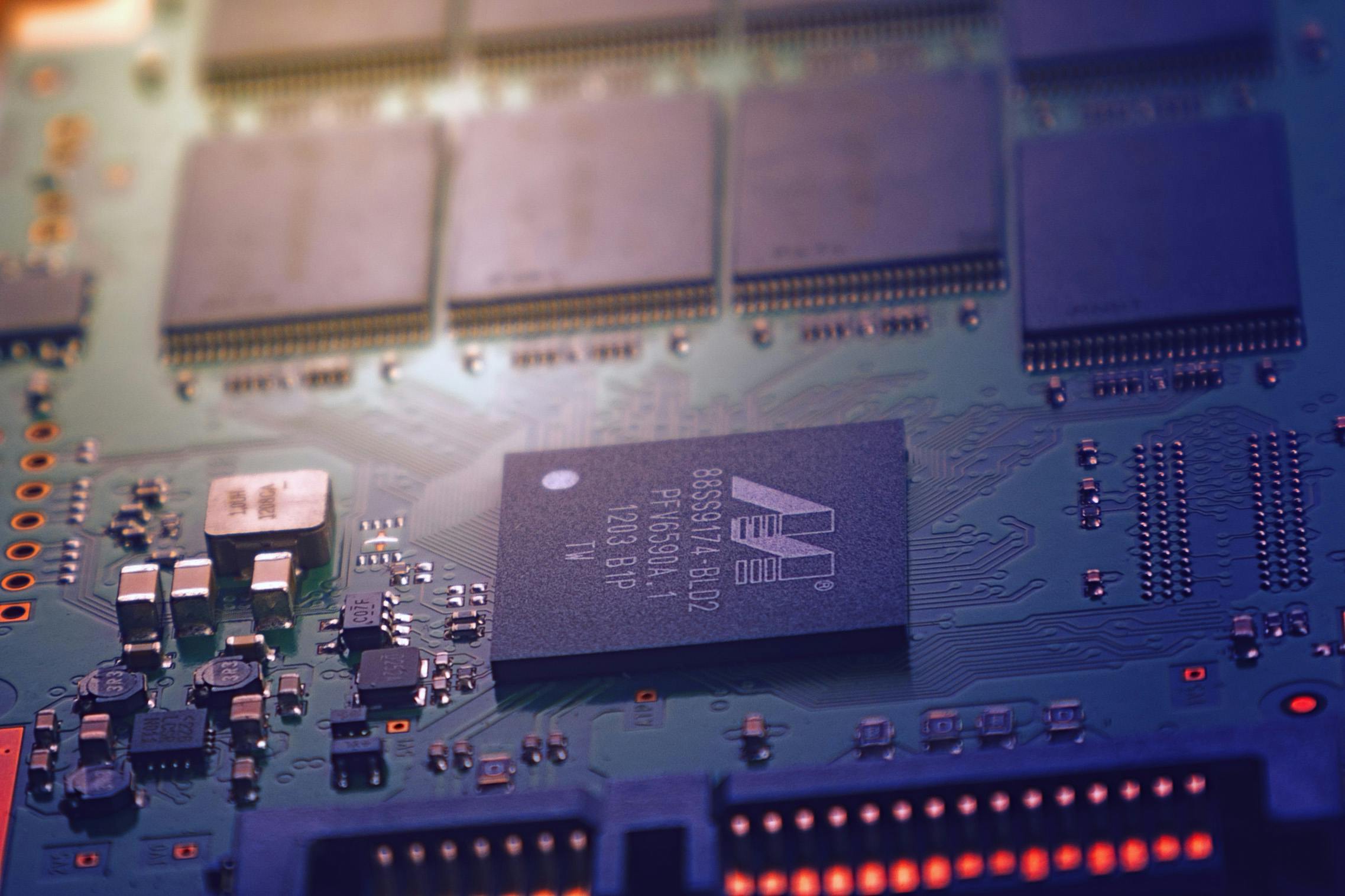
In modern manufacturing, surface quality is a key factor determining product performance, durability, and safety. Traditional treatment methods are often costly, inefficient, and chemical-intensive. That is when plasma surface treatment technology emerges as a breakthrough solution. This article will provide you with a comprehensive overview of this advanced technology, from its operating principles to the economic and environmental benefits it brings.
1. What is Plasma Surface Treatment Technology?
Plasma, often referred to as the fourth state of matter, is a highly ionized gas. In this state, the atoms and molecules of the gas have lost one or more electrons, creating a mixture containing free electrons, positive ions, and highly reactive free radicals. However, through artificial methods, we can generate and control plasma for industrial purposes, especially in the field of plasma surface treatment.
So why do we need plasma surface treatment? The answer lies in the inherent issues of material surfaces. Most materials, especially polymers, have low surface energy, making gluing, painting, or printing difficult. Furthermore, material surfaces are often contaminated by organic impurities, fingerprints, or thin oxide layers, even when invisible to the naked eye. Therefore, surface preparation is an indispensable step to ensure product quality and reliability.
2. In-depth Plasma Surface Treatment Methods
Plasma technology is not merely a cleaning method. It encompasses various in-depth techniques, each designed to solve a specific surface problem. Below are the three most common methods in plasma surface treatment:
2.1. Plasma Surface Treatment (Cleaning): Micro-level impact
Cleaning is the most basic and important application of plasma technology. This method helps to thoroughly remove organic contaminants, grease, mold release agents, and the thinnest oxide layers that traditional methods like solvent washing cannot achieve.
The operating mechanism of plasma surface treatment is a combination of two processes:
- Physical cleaning: High-energy ions in the plasma collide with the surface, breaking the bonds of impurities and causing them to vaporize from the surface. This process is similar to a form of micro-“abrasion”.
- Chemical cleaning: Highly reactive free radicals (such as oxygen or hydrogen radicals) attack and destroy the chemical structure of organic contaminants, turning them into smaller gas molecules. These molecules are then extracted, ensuring a completely clean surface without leaving any residue.
2.2. Plasma Activation: “Unlocking” adhesion capability
One of the biggest challenges in manufacturing is how to make materials with low surface energy, such as plastics and rubber, bond or glue effectively. Plasma Surface Treatment solves this issue through the surface activation process.
The purpose of plasma activation is to improve the adhesion of the material by altering the chemical properties of the surface layer without changing its physical characteristics.
Mechanism: Plasma introduces active chemical functional groups (such as hydroxyl -OH, carboxyl -COOH) onto the material’s surface. These functional groups create chemical “anchor points,” making the surface more “friendly” to adhesives, thereby creating an extremely strong and durable bond. This is vastly superior to mechanical methods that only increase the contact area without solving the surface energy problem.
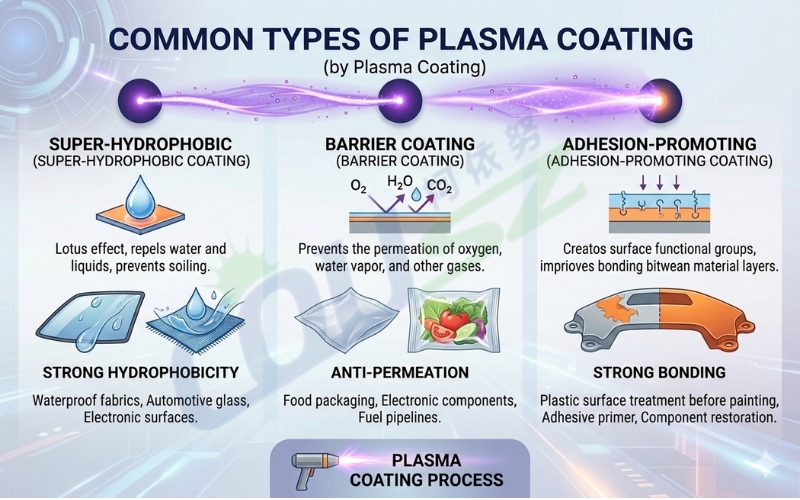
2.3. Plasma Coating: Creating a multi-functional “armor”
Plasma coating is an advanced method that allows the creation of a thin, uniform, and highly adhesive coating right within the plasma environment. This process is also known as plasma polymerization.
Mechanism: A monomer gas (simple molecules) is fed into the treatment chamber. Under the action of plasma, these monomers are activated and react with each other, forming long polymer chains. These chains then deposit onto the material’s surface, creating an ultra-thin and uniform film.
Advantages:
- Excellent adhesion: Because the activation and coating processes occur simultaneously, the bond between the coating and the material surface is extremely strong.
- Multi-functional coating: By changing the monomer gas and plasma parameters, we can create coatings with special features such as superhydrophobic (waterproof), anti-corrosion, non-stick, or even biocompatible properties.
- Dry process: No solvents are required, and no liquid waste is generated, making the coating process clean and environmentally friendly.
3. Practical Comparison: Vacuum Plasma vs. Atmospheric Plasma
In today’s market, there are two common types of plasma technology: vacuum plasma and atmospheric plasma. Choosing the right technology depends on the specific requirements of each application.
Vacuum Plasma:
- Characteristics: Operates in a sealed chamber at very low pressure.
- Advantages: Absolute control, uniform treatment capability over the entire material surface, including parts with complex shapes. This technology is particularly suitable for deep cleaning and high-quality film coating processes, where molecular-level precision and cleanliness are required.
- Disadvantages: Higher initial investment costs, slower processing speed due to the vacuum pumping stage.
Atmospheric Plasma:
- Characteristics: Operates at atmospheric pressure, requiring no vacuum chamber.
- Advantages: Compact equipment, easily integrated into existing production lines, high-speed processing, and lower investment costs. This makes atmospheric plasma surface treatment an ideal solution for applications requiring high throughput.
- Disadvantages: Localized surface treatment capability (as plasma is sprayed from a nozzle), lower impact depth, and inability to create complex coatings like vacuum plasma.
Summary Table:
| Criteria | Vacuum Plasma | Atmospheric Plasma |
|---|---|---|
| Environment | Low pressure | Atmospheric pressure |
| Equipment | Complex sealed chamber system | Compact, easily integrated system |
| Treatment scope | Entire material | Localized area |
| Typical applications | Deep cleaning, high-quality film coating | High-speed cleaning and surface activation |
| Cost | High initial investment | Low initial investment |
4. Outstanding Benefits and Economic Efficiency of Applying Plasma Surface Treatment Technology
- Process optimization: Plasma surface treatment technology can replace complex and time-consuming cleaning steps with a single process. This helps minimize pre-treatment steps, shorten production cycles, and increase overall productivity.
- Cost savings: By eliminating the need for expensive chemicals and minimizing waste disposal costs, plasma surface treatment technology helps significantly save operational costs. Furthermore, reducing the rate of defective products due to poor adhesion is also a crucial factor in increasing profits.
- Sustainable and environmentally friendly: This is one of the biggest advantages of plasma technology. As a dry process, it does not use toxic solvents or detergents, generating no liquid waste, contributing to the sustainable development goals of businesses.
5. Practical Applications of Plasma Surface Treatment in Leading Industries
The flexibility and efficiency of plasma surface treatment technology have led to its widespread application in many industries.
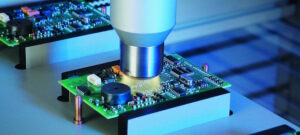
- Electronics Industry: Plasma is used to clean PCB boards before soldering, coat protective layers for components, and prepare surfaces for gluing.
- Medical Industry: In the biomedical field, plasma surface treatment is used to sterilize surgical instruments and improve the biocompatibility of implants such as stents and implants.
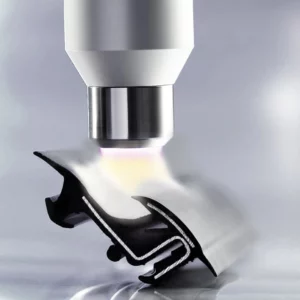
- Automotive Industry: Plasma is used to treat the surfaces of plastic and rubber parts to increase the adhesion of paints and adhesives, ensuring the quality and durability of the components.
- Textile Industry: This technology helps create fabrics with special features like waterproof and antibacterial properties without altering the fabric structure.
- Aerospace Industry: Plasma surface treatment helps prepare surfaces for aircraft parts to enhance the adhesion of protective coatings under extreme conditions.
>> References:
Applications of plasma surface treatment machines in the automotive manufacturing industry.
Applications of Plasma surface treatment machines in electronics manufacturing.
6. Why choose COUSZ brand Plasma Surface Treatment machines?
The COUSZ brand has affirmed its position in the market with high-quality Plasma coating machines, optimal designs, and competitive prices. Some highlights include:
- Stable quality, high durability
- Free consultation on machine selection, tailored to actual production needs
- Clear warranty, fast technical support
Do not hesitate to contact us today to receive a free technical consultation and a special quote from our team of experts.
 Hotline: 0965 535 348 (Ms. Yuna)
 Email: sales03@cousz.com
 Website: https://cousz-vn.com/
 Nationwide Delivery – Genuine Warranty!