中文 (中国)
 Tiếng Việt
 한국어
한국어
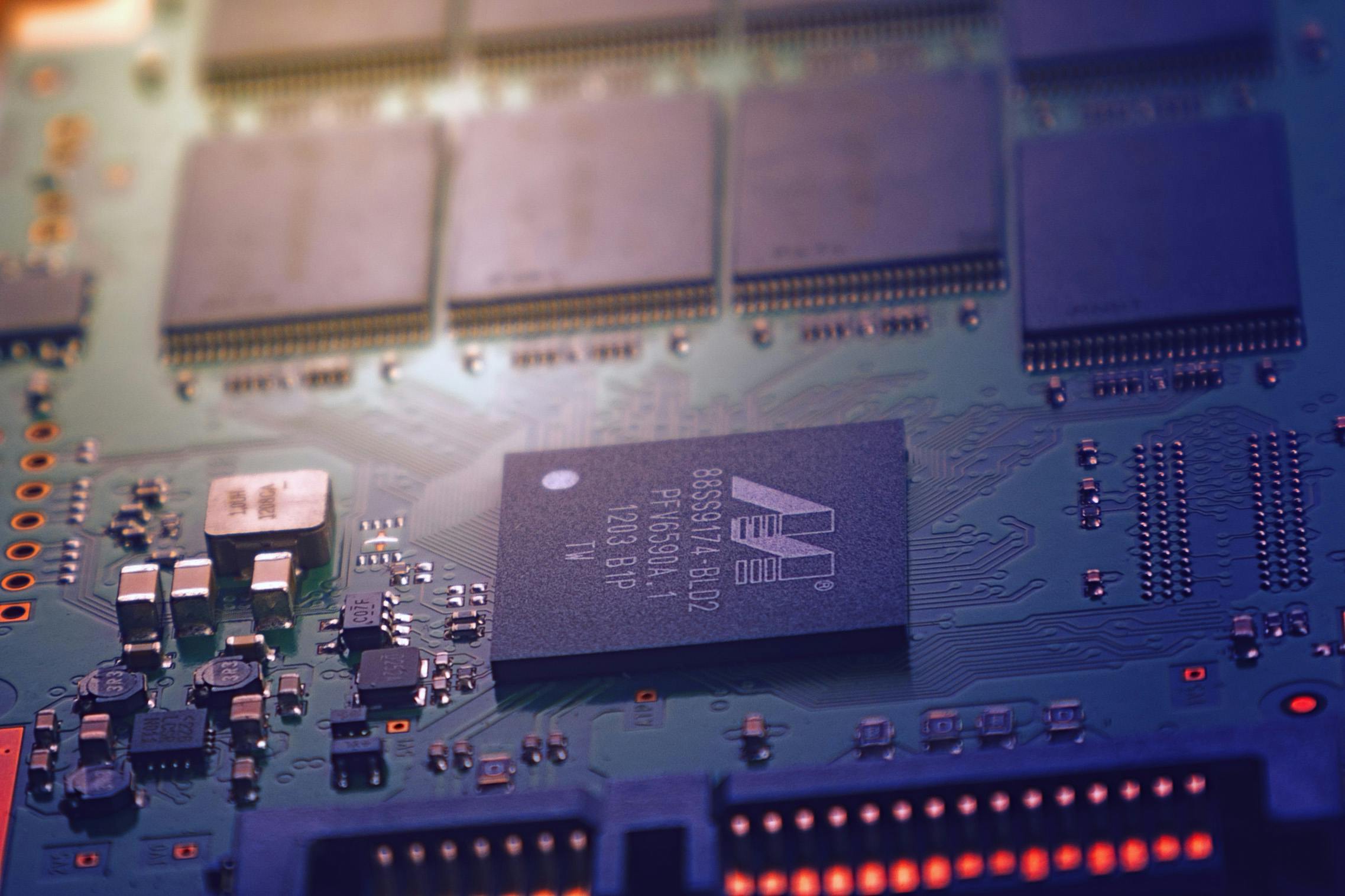
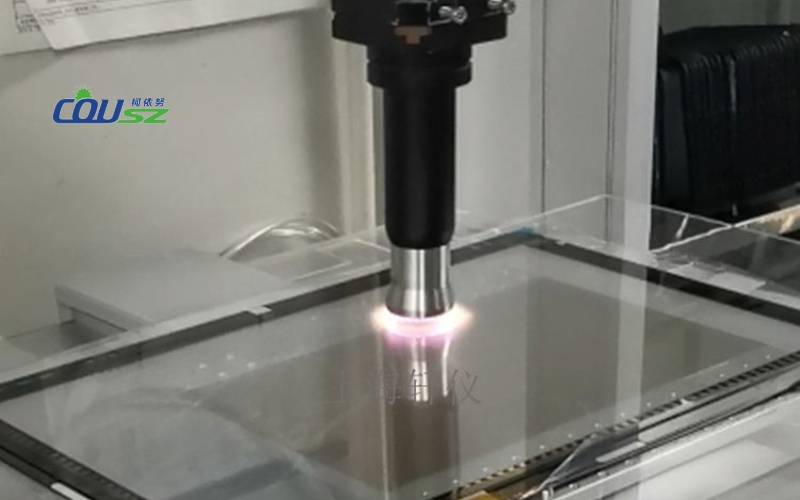
Cleaning glass surfaces is a crucial step in many manufacturing processes. Plasma Modification technology offers an efficient, safe, and fast method for cleaning glass as well as many other surfaces without causing damage. This article will explain how to use plasma technology to clean glass surfaces quickly and easily.
1. What is Plasma Modification and why is it the “savior” for material surface treatment?
Plasma is a special state of matter, created when a gas (such as Argon, Oxygen, Nitrogen) is ionized by electrical energy. In this state, gas molecules are split into positive ions, free electrons, and high-energy free radicals. This is the key to treating surfaces effectively and safely.
Operating mechanism:
- High-energy particle surface treatment: Ions and free radicals in the plasma bombard the material surface at high speeds.
- Breaking organic bonds: This energy is sufficient to break the chemical bonds of organic contaminants adhering to the surface, such as oil, grease, fingerprints, and other impurities.
- Carrying contaminants away: The destroyed particles vaporize or are swept away by the gas flow, leaving a completely clean surface.
Compared to using chemical solvents or sanding methods, Plasma Modification (Plasma Surface Treatment) leaves no chemical residue and causes no scratches or alterations to the material’s physical structure. This core difference makes it the top choice for sensitive materials like optical glass, electronic circuit boards, or medical components.
2. Materials that can be cleaned with plasma
Not limited to glass, plasma cleaning can treat a variety of different materials such as metals, polymers, composite materials, ceramics, and optics. The special feature is that these materials do not require pre-treatment or post-treatment, saving time and costs.
From windshields to delicate components with complex patterns, plasma coating technology can clean effectively without affecting the surface structure. This is why plasma is widely chosen in high-tech industries such as electronics, optics, and biomedicine.
3. Essential equipment for plasma surface treatment
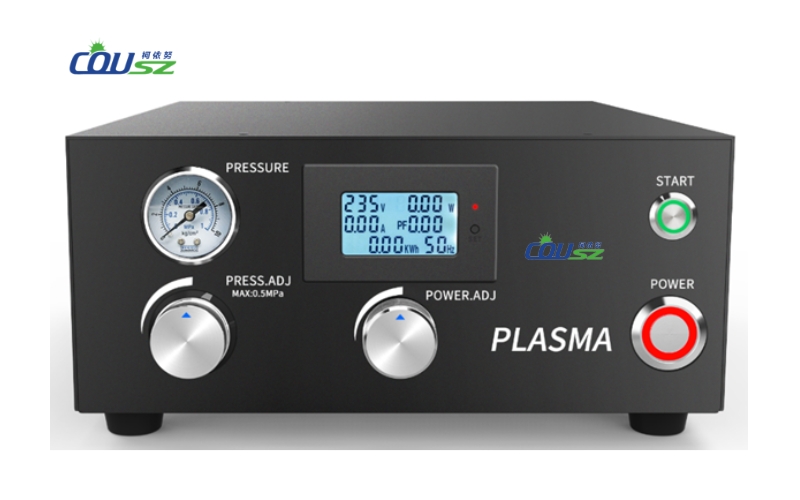
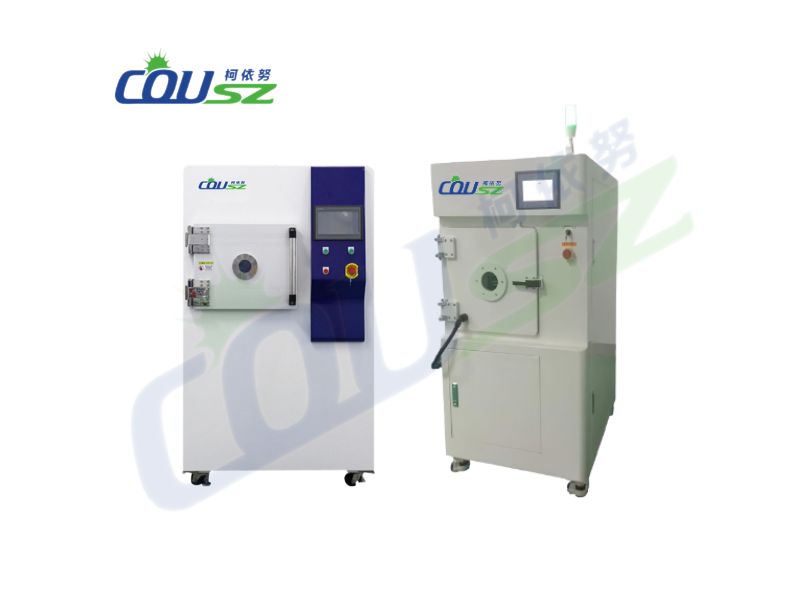
To clean with plasma, a specialized equipment system is required, including: a vacuum chamber, high-frequency power supply, gas control system, valves, vacuum pump, pressure gauges, and sample fixing accessories.
- Equipment investment costs can range from a few hundred to thousands of dollars depending on the configuration.
- Regular maintenance is required to prevent electrical shorting, gas leaks, or fire hazards.
- Operators must always wear safety goggles, gloves, long-sleeved clothing, and ensure proper ventilation to handle exhaust gases generated during the plasma process.
4. Outstanding benefits of applying Plasma Surface Treatment technology
The popularity of plasma surface treatment is not accidental, but comes from the immense benefits it brings to the manufacturing process.
4.1. Absolute cleaning efficiency
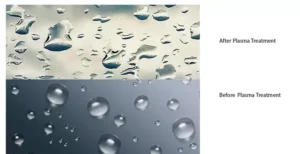
Plasma has the ability to clean at the molecular level, completely removing invisible contaminants, ensuring the surface achieves maximum cleanliness. This is especially important in applications requiring high adhesion such as gluing, coating, or plating. The cleaner the surface, the stronger the bond, helping to increase the lifespan and reliability of the product.
4.2. Enhanced wettability (Adhesion)
After being treated with plasma, the surface of the material (especially plastics, polymers) becomes more “hydrophilic,” or in other words, has increased adhesion. This allows subsequent coatings such as printing ink, paint, and adhesives to spread evenly and adhere more tightly, completely eliminating peeling or unevenness. This capability can be verified visually and accurately using the Contact Angle Test method.
4.3. Cost optimization and environmental friendliness
- Energy saving: Compared to thermal heating or drying methods, the plasma process consumes significantly less energy.
- No toxic chemicals needed: Completely eliminates the cost of purchasing and handling chemicals. This not only reduces costs but also protects worker health and the environment.
- Increased productivity: The fast workflow can be integrated into automated production lines, helping to shorten production time and increase output.
5. Diverse applications of Plasma Surface Treatment Technology
With its outstanding advantages, plasma surface modification is widely applied in many industries.
5.1. Automotive industry
In automotive manufacturing, surface treatment is applied to plastic, rubber, and metal parts to enhance the adhesion of coatings, door seal adhesives, or interior decorative parts. This ensures these coatings do not peel off when the vehicle is moving under harsh conditions.
5.2. Medical devices
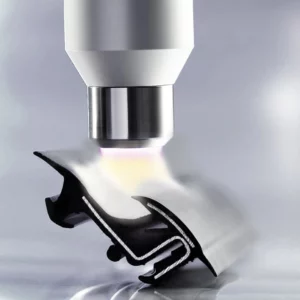
Medical instruments such as syringes, catheters, or implants require absolute cleanliness. Plasma technology cleans and sterilizes the surface without harming the material, while simultaneously enhancing biocompatibility with the human body.
5.3. Electronics and semiconductor industry
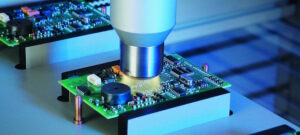
Cleaning circuit boards and components before soldering or packaging is extremely important. A single speck of dust can cause a short circuit. Plasma surface treatment ensures a perfectly clean surface, enhancing solder joint quality and the durability of electronic products.
5.4. Plasma spraying applications
Besides cleaning, plasma technology is also used in the field of plasma spraying. This is a technique for creating ultra-durable functional coatings on material surfaces. Coating material particles (such as ceramics, metals) are fed into a high-temperature plasma stream, melted, and sprayed onto the substrate surface. This technique creates anti-corrosion, anti-wear, or thermal insulation coatings in the aerospace, turbine manufacturing, or energy industries.
6. Plasma Surface Treatment Execution Process:
6.1. Setup:
- Equipment selection: Choose a plasma surface treatment machine suitable for the production scale and material type.
- Ensure safety: Check the ventilation system, wear personal protective equipment (PPE) such as safety goggles and gloves.
- Material preparation: Place the material to be treated into the vacuum chamber or onto the machine’s conveyor belt.
6.2. Execution:
- Parameter setup: Adjust crucial parameters such as:
- Gas type: Argon for cleaning, Oxygen for increasing adhesion…
- Power: Determines the plasma intensity.
- Treatment time: Depends on the material and level of contamination.
- System activation: Start the machine and begin the automated process. The system will create a vacuum and generate plasma to treat the surface.
- Monitoring: Monitor the parameters on the control screen to ensure the process runs stably.
6.3. Evaluation:
- Contact angle testing: The simplest and most effective method to evaluate cleanliness and surface activation.
- In-depth analysis: Use scientific equipment like SEM (Scanning Electron Microscope) or XPS (X-ray Photoelectron Spectroscopy) to analyze surface structure and composition if high precision is required.
7. Choosing the right Plasma Surface Treatment machine
The market today offers many types of plasma coating machines, from compact systems for research to large industrial systems integrated into production lines. To make the right decision, you need to consider the following factors:
- Usage needs: Cleaning, enhancing adhesion, or plasma spraying?
- Material type: What materials will you be processing? What are their dimensions?
- System integration: Do you need to integrate the machine into an existing automated production line?
Partnering with a reputable supplier experienced in this field will help you find the optimal solution, ensuring production efficiency and product quality.
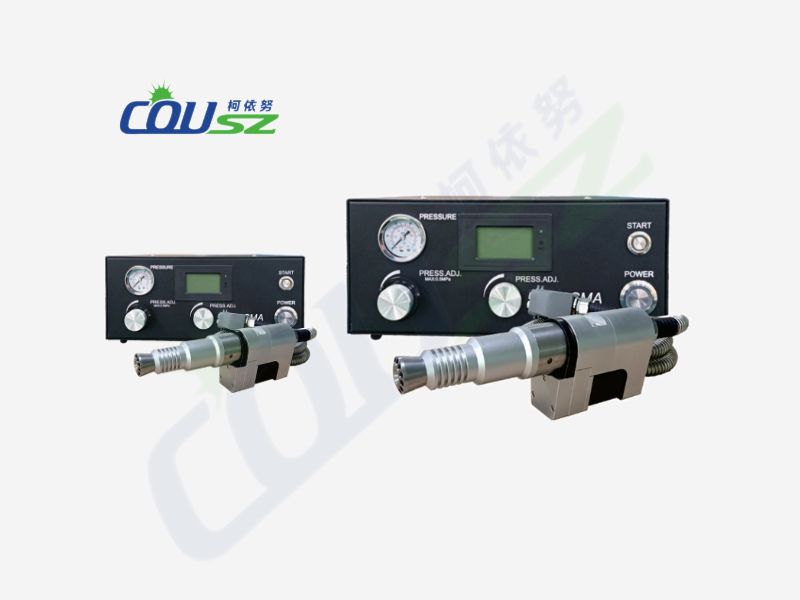
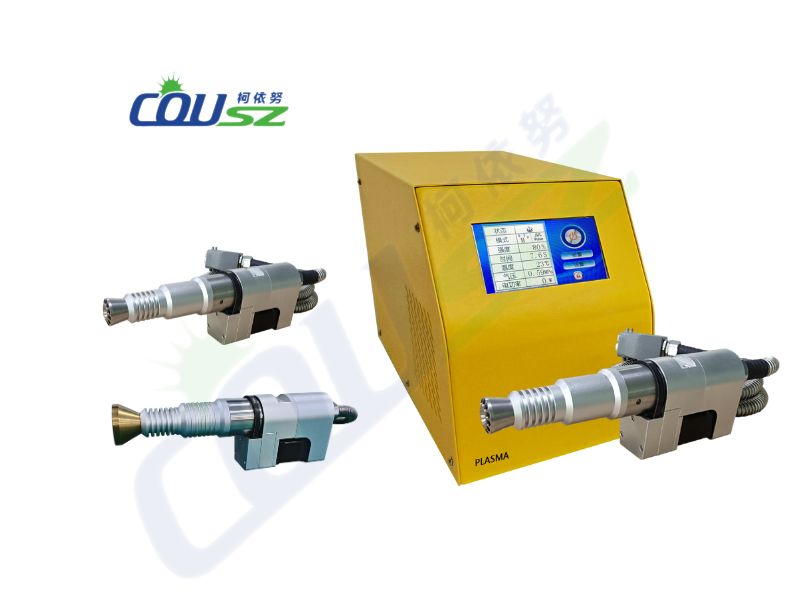
8. Why choose COUSZ brand Plasma Surface Treatment machines?
The COUSZ brand has affirmed its position in the market with high-quality Plasma coating machines, optimal designs, and competitive prices. Some highlights include:
- Stable quality, high durability
- Free consultation on machine selection, tailored to actual production needs
- Clear warranty, fast technical support
Do not hesitate to contact us today to receive a free technical consultation and a special quote from our team of experts.
 Hotline: 0965 535 348 (Ms. Yuna / Ms. Hina)
 Email: sales03@cousz.com
 Website: https://cousz-vn.com/
 Nationwide Delivery – Genuine Warranty!