中文 (中国)
 Tiếng Việt
 한국어
한국어
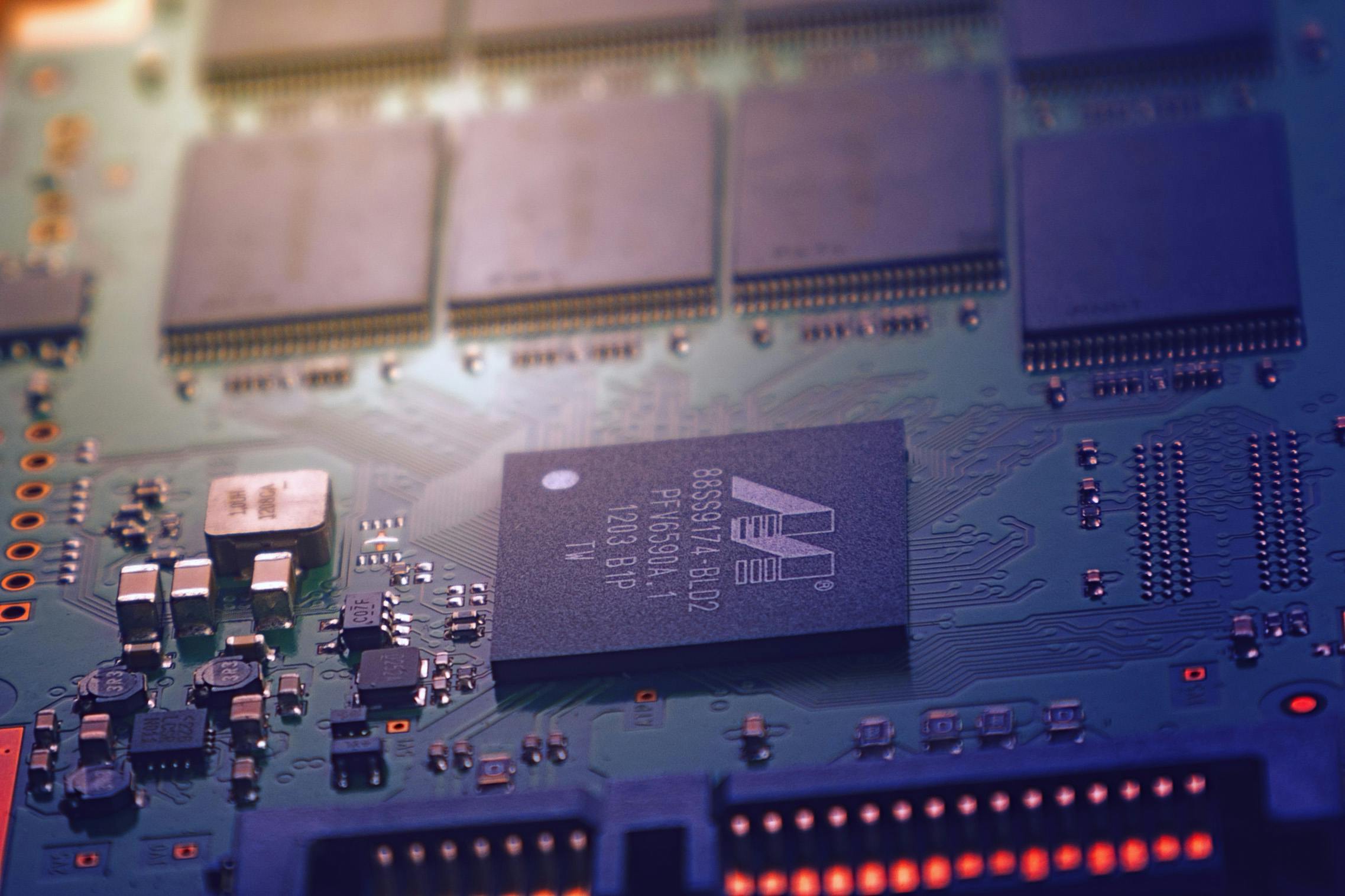
In the modern era of ultra-precision manufacturing, mastering nanoscale surface activation technology is the ultimate key to skyrocketing your product’s structural quality. This comprehensive plasma cleaning machine user manual provides rigorous, step-by-step instructions and professional insights on how to properly manipulate these advanced systems. Strictly adhering to these industrial protocols not only guarantees optimal interfacial adhesion but also aggressively protects your equipment, ensuring decades of durable operation. Let us explore the optimized operational steps developed by COUSZ engineering experts below.
1. What are the critical preparation steps before operating the equipment?
1.1. Inspecting pneumatic and electrical foundations
Before you even attempt to learn how to operate a cleaning machine equipped with plasma technology, meticulous preparation is the most critical foundation for ensuring absolute safety and peak performance. According to peer-reviewed research published in the highly respected Journal of Physics D: Applied Physics, the thermodynamic stability of a plasma plume depends heavily on the absolute purity of the process gas and the consistency of the electrical input.
- Verify the Clean Dry Air (CDA) supply: This is a life-or-death factor for the machine. The input compressed air must strictly pass through a heavy-duty 3-stage filtration system to completely eradicate moisture vapor, compressor oil, and microscopic dust. If the process gas is humid, dangerous electrical arcing will instantly occur, catastrophically destroying the ceramic spray nozzle.
- Stabilize the electrical grid: Ensure the factory’s power supply perfectly matches the machine’s required specifications (typically 220V/50Hz). For industrial zones plagued by severe voltage fluctuations, installing a high-capacity automatic voltage regulator (AVR) is absolutely mandatory to maintain a uniform, unwavering electrical discharge.
1.2. Safety gear and physical hardware inspection
While industrial cold plasma is generally safe, strict occupational health protocols must be enforced when you plasma cleaner operate on the factory floor.
- Mandatory personal protective equipment (PPE): The machine operator must wear certified UV-blocking safety glasses and anti-static industrial gloves. Although the thermal temperature of cold plasma is low, leading professors at the Leibniz Institute for Plasma Science and Technology (INP Greifswald) strongly advise limiting direct dermal exposure to concentrated ionized gas streams.
- Inspect the nozzle head: Physically examine the nozzle tip. Ensure the ceramic orifice is perfectly clean, entirely free of carbon soot buildup, and devoid of any physical obstructions in the air release gap.
Thorough, uncompromising preparation is the absolute first step in this plasma cleaning machine user manual that every professional technician must memorize.
2. How do you operate different COUSZ plasma machine series?
Every specific machine architecture possesses unique operational characteristics. Therefore, the plasma machine operating instructions require specific adjustments to perfectly align with the system’s control interface.
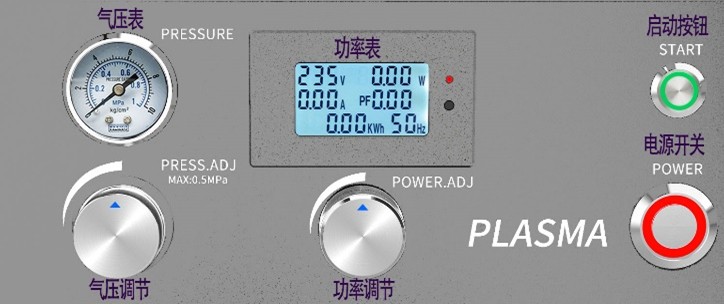
2.1. Operating the standard physical button series
This rugged equipment line focuses heavily on absolute mechanical durability and operational simplicity. The standard procedure on how to use a plasma surface treatment machine in this category includes:
- Engage the Main Power switch to energize the primary control cabinet.
- Visually check the pneumatic pressure on the analog mechanical gauge (ensure it reaches the strict operational threshold of 0.2 to 0.3 MPa).
- Firmly press the “Start” button to ignite the high-frequency RF Generator.
- Rotate the analog potentiometer dial to precisely adjust the output Power (Wattage) based strictly on the thermal sensitivity of the target material.
Do you want to achieve total mastery over the core technical parameters and guarantee your assembly line runs stably 24/7? Dive into our expert-crafted technical documentation designed exclusively for baseline models:
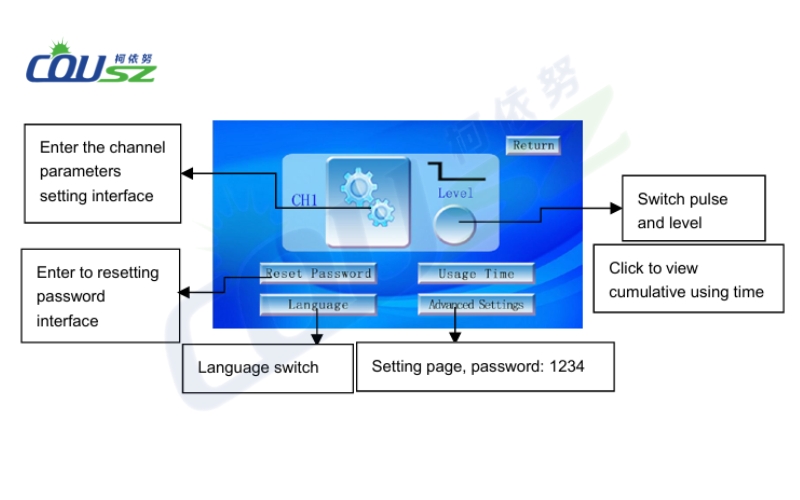
2.2. Operating the advanced HMI touch screen series
For our most modern, digitally integrated systems, this plasma cleaning machine operation guide focuses entirely on smart data management and PLC communication:
- System Login: Access the centralized Human-Machine Interface (HMI) control panel using authorized engineering credentials.
- Establish the Recipe: You can digitally input, save, and recall highly complex parameter sets (Recipes). This includes precise digital control over gas pressure, exact surface treatment dwell time, and plasma intensity.
- Real-time diagnostic monitoring: The brilliant touch screen continuously displays live graphs of electrical current and pneumatic pressure. If the system detects any microscopic deviation, it will instantly trigger an automated safety halt and display an error code (Alarm). This guarantees the operator can execute the safest, most precise surface activation possible.
Maximize your automated manufacturing productivity with the intelligent HMI interface! Learn how to lock in precise parameters with a single touch and dominate advanced programming technology via our article:
3. What is the standard 5-step plasma cleaning machine operation guide?
3.1. Executing the flawless production workflow
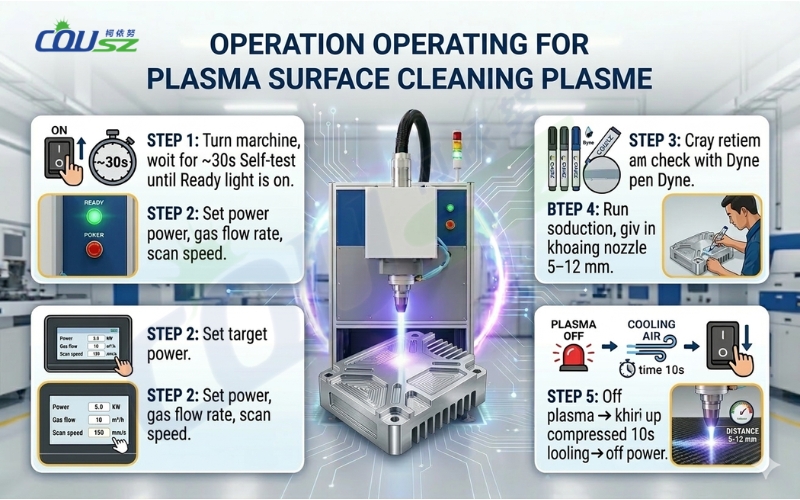
To strictly standardize factory production and eliminate human error, COUSZ highly recommends adopting this definitive 5-step workflow outlined in our plasma cleaning machine user manual. This guarantees 100% uniform surface activation results across millions of units.
| Operation Phase | Detailed Technical Execution |
|---|---|
| Step 1: System Startup | Engage main power and allow the system to execute its automated self-test protocol for approximately 30 seconds. Verify the status indicator illuminates green (Ready). |
| Step 2: Parameter Setup | This is the most critical phase in the plasma machine operating instructions. Strictly define the discharge power (W), gas flow rate, and robotic scanning speed based on the material recipe. |
| Step 3: Diagnostic Test-Run | Execute a plasma pass on a scrap sample. Immediately utilize a calibrated Dyne pen to verify the surface energy has hit the required threshold (typically > 42 dyne/cm for industrial UV printing and > 52 dyne/cm for structural gluing). |
| Step 4: Mass Processing | Once parameters are locked, initiate the automated conveyor line. Strictly maintain the physical working distance from the nozzle tip to the substrate surface (optimally locked between 5 mm to 12 mm). |
| Step 5: Cooldown and Shutdown | Upon completion, deactivate the RF plasma generator first. Allow the compressed air to continue flowing for a strict 10 seconds to thermally cool the ceramic nozzle before completely terminating the main power. |
Standardized 5-step operation guide for a plasma surface cleaner
This rigorous protocol integrates the most advanced knowledge from international surface engineering standards, flawlessly eliminating costly defects caused by inconsistent manual operation.
4. How do you perform rapid maintenance and cleaning after use?
4.1. Protecting the electrodes and pneumatic systems
An absolutely indispensable section of any professional plasma cleaning machine user manual is the mandatory periodic maintenance schedule. According to Professor Alexander Fridman, a globally renowned expert and author of the definitive textbook “Plasma Physics”, the accumulation of microscopic dust or oxidation on the discharge electrode violently alters the local electron density. This physical contamination directly causes highly erratic, uneven surface treatment.
- Cleaning the nozzle head: Immediately after concluding every single production shift, the operator must utilize high-purity Isopropyl Alcohol (IPA) and a lint-free cleanroom wipe to meticulously clean the nozzle tip. This prevents airborne carbon dust from adhering to the ceramic and deflecting the plasma plume’s trajectory.
- Inspecting the pneumatic filter: You must manually drain the accumulated water from the pneumatic filter bowl daily. This simple, 10-second task is critically important for durable operation, aggressively preventing liquid water from breaching the high-voltage discharge chamber.
- Inspecting high-voltage cables: Routinely verify that the thick transmission cables are not sharply bent, crushed, or leaking high voltage. This is a mandatory, non-negotiable safety requirement in all plasma machine operating instructions.
- Lubricating robotic axes (if applicable): If the plasma nozzle is integrated onto a CNC gantry or multi-axis system, regularly apply industrial lubricant to the rails to guarantee an absolutely smooth, jitter-free scanning speed.
Strictly adhering to this maintenance guide will effortlessly reduce your factory’s annual replacement part and repair costs by an astounding 30%.
5. Contact COUSZ for technical consultation & operational training
If your automated factory requires a custom-tailored plasma cleaning machine user manual specifically designed for your unique consumer product, or if you wish to formally train your engineering team on how to use a plasma surface treatment machine with absolute professional mastery, connect with our experts immediately:
- ✅ Ms. Yuna – Senior Plasma & Surface Treatment Solutions Expert
- 📱 Tel/Whatsapp/Wechat/Zalo: (84) 965 535 348
- 📧 Email: sales03@cousz.com
- 🌐 Website: www.cousz-vn.com
COUSZ does not merely supply industrial equipment; we actively partner with you through every single technical maneuver to guarantee you achieve the ultimate, most profitable production efficiency. Let our elite team guide your operations today!