中文 (中国)
 Tiếng Việt
 한국어
한국어
In the highly competitive landscape of Industry 4.0, optimizing material surface quality is no longer an optional upgrade; it has become a mandatory manufacturing standard. However, the most significant barrier for many enterprise leaders remains the pressing question regarding the total plasma cleaner cost and its long-term economic viability. This comprehensive guide will deeply analyze the various price segments of plasma cleaners and outline the smartest investment roadmap available today.
1. What is a plasma surface treatment machine?
1.1. The science of the fourth state of matter
A plasma surface treatment machine is an advanced industrial device that harnesses the fourth state of matter—plasma—to fundamentally modify the surface characteristics of a material at the atomic level. By projecting a highly energized, ionized gas stream onto a substrate, this equipment simultaneously executes two critical manufacturing tasks: it flawlessly eradicates microscopic organic impurities (atomic cleaning) and chemically activates inert bonds on the surface of plastics, metals, or technical glass.
According to extensive research conducted by Professor Wolfgang Petry from the Technical University of Munich, plasma treatment does not alter the internal physical bulk properties of the material. Instead, it exclusively grafts highly polar functional groups onto the outermost molecular layer, forcefully increasing the surface energy to well over 72 dyne/cm. Unlike outdated chemical primer methods, this technology is a 100% dry, eco-friendly process.
When actively researching the plasma cleaner cost, business owners must understand that they are not merely purchasing a basic cleaning tool; they are investing in a comprehensive system designed to aggressively elevate their product’s overall value and durability.
2. Direct factors affecting the plasma cleaner cost
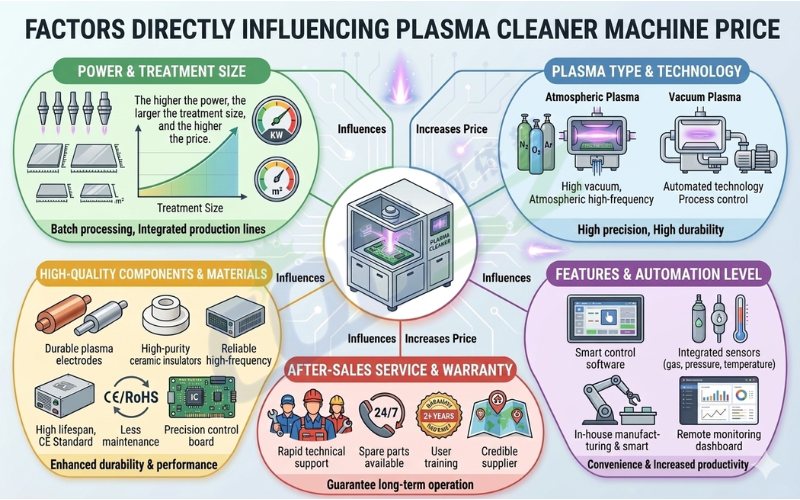
In reality, there is no single, fixed plasma cleaner price. The final capital expenditure is a culmination of several highly specialized technical engineering factors. Understanding these variables is crucial when evaluating any plasma surface cleaner quotation.
2.1. RF generator technology (The power source)
The Radio Frequency (RF) generator is the absolute “heart” of the machine. Systems equipped with next-generation digital solid-state generators—which feature the ability to self-tune and execute micro-adjustments to frequency and power output—naturally command a higher plasma cleaner cost. However, this premium technology guarantees an absolutely stable, continuous plasma plume, entirely preventing the risk of thermal damage to sensitive materials.
2.2. Nozzle system configuration
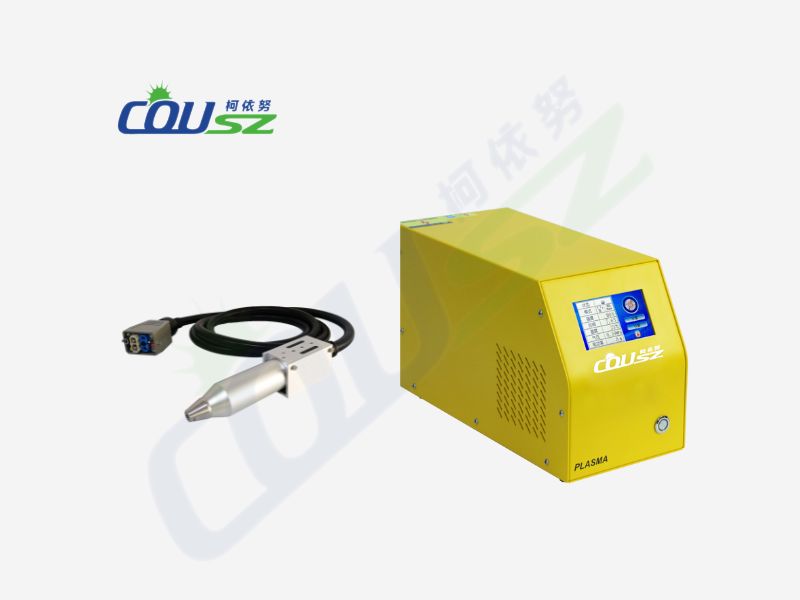
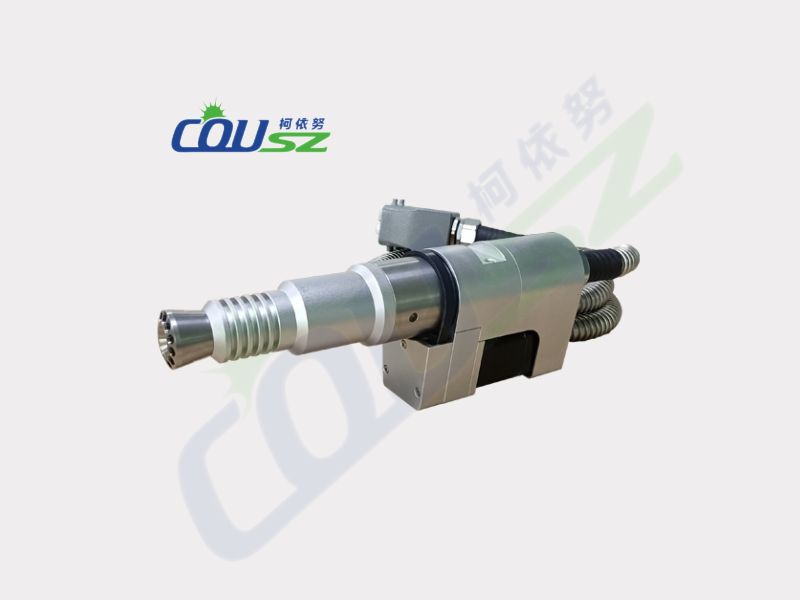
The specific architectural design of the spray nozzle directly alters the total plasma surface treatment equipment cost. A factory must choose between a Direct Jet nozzle (ideal for narrow grooves and precise glue lines) and a Rotary sweeping nozzle. A rotary system is engineered to treat wider surface areas evenly and provides vastly superior heat dissipation for highly heat-sensitive plastics, making it more technologically complex and slightly more expensive to manufacture.
2.3. Automation integration capabilities
The degree of factory automation plays a massive role in pricing. A standalone, manually operated system will have a significantly lower plasma cleaner cost compared to a fully automated machine engineered to communicate seamlessly with a 6-axis robotic arm or a high-speed PLC-driven conveyor belt system.
2.4. Precision gas control systems
High-end machines designed for advanced plasma polymerization integrate highly precise Mass Flow Controllers (MFC) to mix specific process gases (such as N2, O2, or Argon). This capability allows the system to deposit specialized functional nano-coatings. Naturally, integrating these precision gas modules significantly elevates the overall cost of plasma coating system equipment.
3. Price segments of popular COUSZ plasma surface cleaners
(Note: The following information serves as an approximate industrial reference. The actual plasma surface cleaner cost depends entirely on customized configurations and integration requirements).
At COUSZ, we strategically categorize our equipment based on production scale, empowering enterprises to easily estimate their required plasma cleaner cost:
3.1. Entry-level segment (Standard applications)
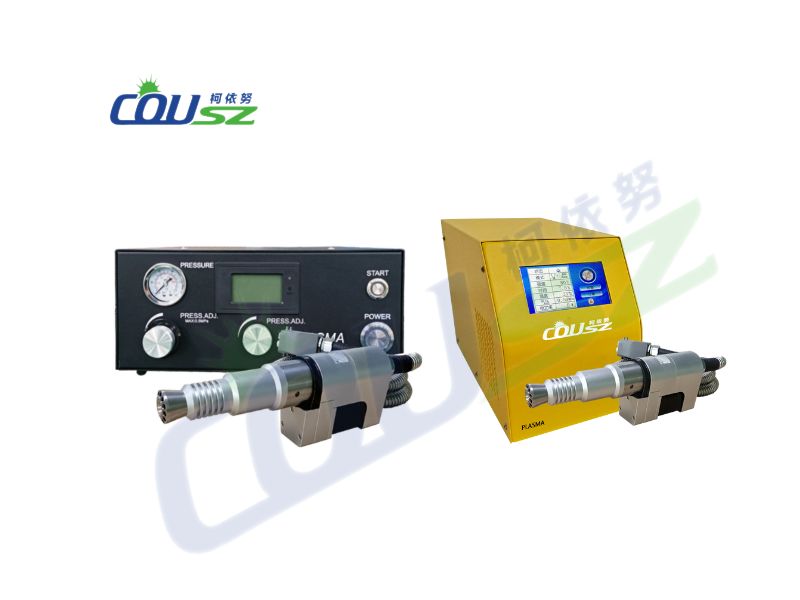
These are typically single-nozzle atmospheric plasma machines, perfectly suited for R&D laboratories, academic institutions, or small-scale localized manufacturing workshops. The plasma treatment machine price in this specific segment generally ranges from USD 2,000 to USD 4,000. It provides an incredibly cost-effective entry point for businesses looking to eliminate chemical primers on a smaller scale.
3.2. Standard segment (Semi-automated lines)
This tier includes dual-nozzle plasma systems or units integrated with basic PLC communication protocols designed for semi-automated assembly lines. This is the most perfectly balanced plasma surface treatment machine investment cost for electronics and automotive auxiliary manufacturers. The budget for these highly robust systems typically fluctuates between USD 3,800 and USD 7,500, delivering outstanding durability and high-speed processing.
3.3. High-end segment (Absolute precision)
This premium category encompasses deep Vacuum Plasma chambers and highly advanced, multi-point robotic atmospheric systems. Because of the stringent engineering requirements for absolute vacuum integrity and 100% flawless 3D surface uniformity, this segment represents the highest cost of plasma coating system equipment. Pricing in this tier is strictly customized based on the precise volumetric capacity and gas delivery requirements of the client.
4. Operating cost comparison: Low initial price vs smart investment
4.1. Analyzing the long-term ROI
When confronted with the plasma cleaner cost, many procurement managers make the fatal mistake of exclusively focusing on the initial purchase invoice. A comprehensive study published in the Surface & Coatings Technology journal clearly highlights the massive difference in the Total Cost of Ownership (TCO):
| Evaluation Metric | Low Investment (Cheap Generic Brands) | Smart Investment (Premium COUSZ Systems) |
|---|---|---|
| Initial CapEx | Saves roughly 30% upfront on the purchase price. | Higher initial plasma cleaner price. |
| Electrical Efficiency | Consumes up to 2x more electrical power due to poor RF conversion. | Reduces compressed air and power consumption by 15-20%. |
| Consumable Lifespan | Short nozzle lifespan; frequent electrode burnouts. | Highly stable, long-lasting tungsten electrodes and ceramic nozzles. |
| Product Defect Rate | High scrap rate due to erratic, uneven surface activation. | Defect rate drops to near zero; completely eliminates chemical primers. |
Rigorous Return on Investment (ROI) calculations consistently prove that premium, high-end systems typically pay for themselves within merely 12 to 18 months. This rapid payback is driven by massive optimizations in labor, complete elimination of chemical consumables, and a drastic reduction in scrapped materials. Therefore, evaluating the plasma surface treatment machine investment cost must always be framed within a 5-year profitability projection.
5. What does the plasma surface treatment machine investment cost include?
5.1. Breaking down the total capital expenditure
To establish a highly accurate corporate budget, an enterprise must comprehensively account for the following financial variables when requesting a plasma surface cleaner quotation:
- Core Machinery Cost (CapEx): This is the direct plasma cleaner price paid to the manufacturer. It includes the RF generator, the central control unit, the plasma nozzle head, and the required high-voltage cabling.
- Installation and Integration Fees: This encompasses the cost of pneumatic piping, heavy-duty air filters, and the specialized PLC programming required to handshake the plasma machine with your existing robotic arms or conveyor belts.
- Training and Technology Transfer: At COUSZ, we provide extensive operational training. However, the factory must allocate an internal budget for the necessary machine downtime required to conduct thorough pilot testing and staff onboarding.
- Consumable Materials: Although plasma completely eliminates the need for liquid chemicals, you must allocate a minor annual budget for replacing internal tungsten electrodes and compressed air filtration membranes to ensure the plasma plume remains pristine.
- Preventative Maintenance Reserve: A standard industrial best practice is to reserve approximately 2% to 5% of the initial plasma surface treatment equipment cost annually for scheduled, preventative maintenance to guarantee zero unscheduled downtime.
6. Contact Ms. Yuna for a plasma surface cleaner quotation
Are you currently requiring an exact, highly detailed plasma cleaner cost analysis customized specifically for your factory’s product line? Do not hesitate to connect with our engineering team to receive a comprehensive ROI projection and schedule a completely free, hands-on sample demonstration:
- 👤 Ms. Yuna – Senior Plasma & Surface Treatment Solutions Expert
- 📱 Tel/Whatsapp/Wechat/Zalo: (84) 965 535 348
- 📧 Email: sales03@cousz.com
- 🌐 Website: www.cousz-vn.com