中文 (中国)
 Tiếng Việt
 한국어

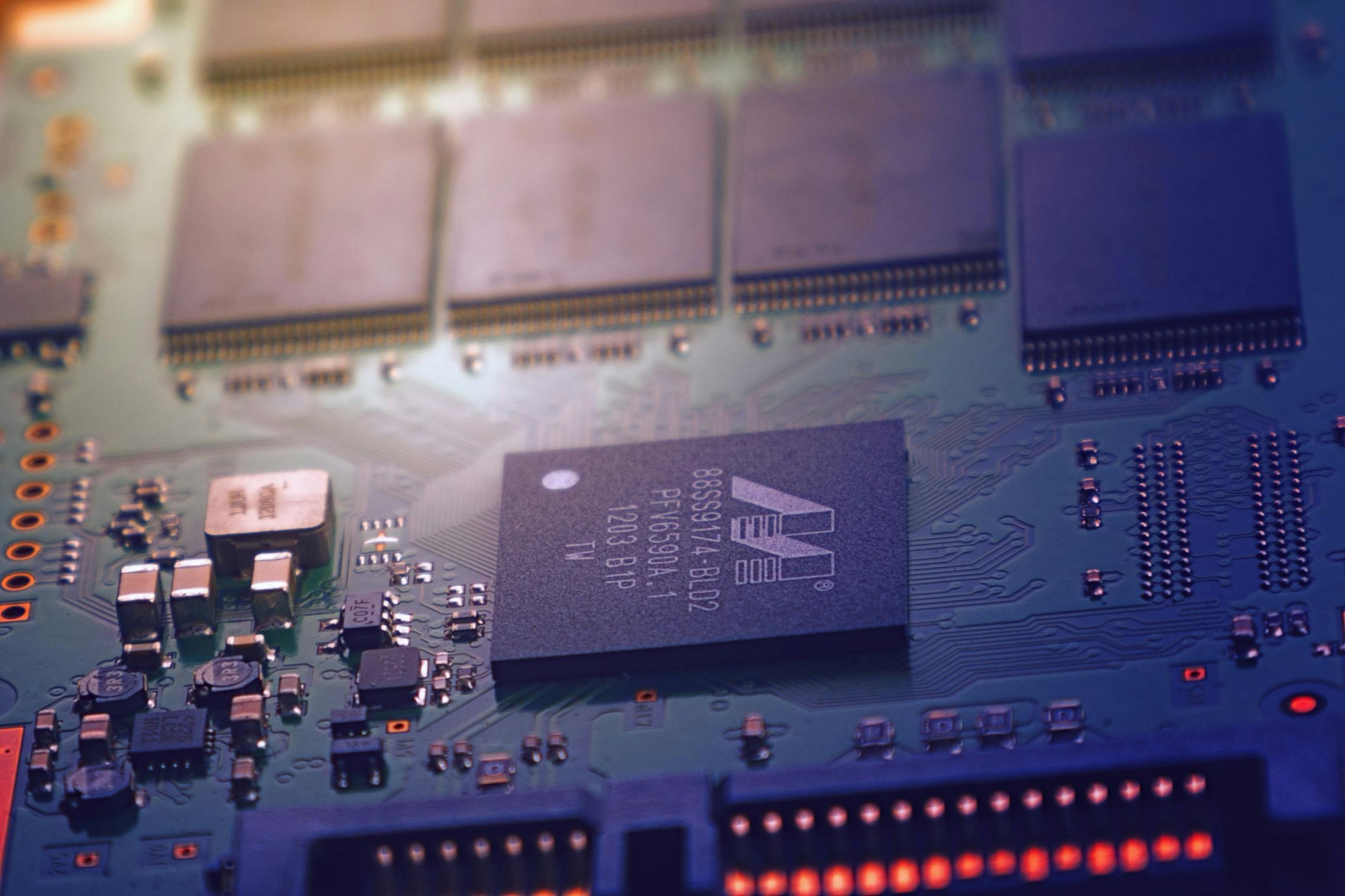
In modern industrial manufacturing, the quality of material bonding plays a critical role in product durability and performance. However, many materials, including plastics, metals, glass, and polymers, often face challenges during adhesive bonding, printing, coating, or painting due to their low surface energy and limited adhesion properties.
A Plasma Surface Treatment Machine is an advanced technological solution designed to activate, clean, and improve the surface properties of materials before subsequent manufacturing processes. This technology is widely used in electronics, automotive, plastics, packaging, medical devices, and various other industrial sectors.
How does a plasma treatment machine work? What benefits does plasma surface treatment provide, and how can manufacturers select the right equipment? Let’s explore these topics in detail.
1. What Is a Plasma Surface Treatment Machine?
A Plasma Surface Treatment Machine is equipment that uses plasma to modify the surface of materials, improving their chemical properties, wettability, and adhesion performance in industrial manufacturing processes.
Plasma is the fourth state of matter, consisting of charged particles and active species such as electrons, ions, free radicals, excited molecules, and other reactive components depending on the plasma source.
When plasma interacts with a material surface, its active species can modify the surface layer, helping to:
- Remove or reduce organic contaminants.
- Activate material surfaces.
- Increase surface energy.
- Introduce polar functional groups onto surfaces.
- Improve the wettability of adhesives, inks, and coatings.
- Enhance bonding between different materials.
These characteristics make plasma surface treatment an effective solution for improving product quality and optimizing manufacturing processes.
2. How Does a Plasma Surface Treatment Machine Work?
A plasma surface treatment machine operates by generating plasma from gas or air using electrical energy.
During operation, electrical energy excites gas components, creating a plasma environment containing reactive particles and active species capable of interacting with material surfaces.
When plasma comes into contact with a material, several treatment mechanisms may occur.
2.1. Surface Cleaning
Reactive plasma species can interact with certain organic contaminants on material surfaces, helping reduce oil residues, organic compounds, and thin contamination layers.
This process improves surface cleanliness before subsequent operations such as adhesive bonding, printing, or coating.
2.2. Surface Activation
Plasma modifies the surface layer of materials, creating chemical changes that improve their interaction with other substances.
For polymers, plasma treatment can introduce polar functional groups that enhance wettability and surface bonding.
2.3. Increasing Surface Energy
Surface energy is an important factor influencing the wettability of liquids on materials.
Plasma can increase surface energy, allowing adhesives, inks, and coatings to spread more uniformly and interact more effectively with the substrate.
However, the degree of improvement depends on the material type, treatment conditions, and equipment operating parameters.
3. Common Types of Plasma Surface Treatment Machines
In industrial applications, plasma surface treatment machines are classified according to plasma generation methods and operating conditions.
3.1. Atmospheric Plasma Treatment Machines
Atmospheric plasma machines generate plasma under atmospheric pressure, typically using air or other gases suitable for specific applications.
This technology is widely used in manufacturing because it enables direct material surface treatment without requiring a vacuum chamber.
Key characteristics include:
- Integration into automated production lines.
- Localized or area-specific surface treatment.
- Surface activation and cleaning capabilities.
- Compatibility with various industrial materials.
- Suitability for continuous production processes.
Atmospheric plasma machines are commonly used for plastic components, injection-molded products, metal parts, packaging materials, and industrial components.
3.2. Vacuum Plasma Treatment Machines
Vacuum plasma machines operate inside a treatment chamber under reduced pressure, allowing controlled gas environments and treatment conditions.
Key characteristics include:
- Processing multiple components simultaneously.
- Treatment of complex surfaces depending on equipment configuration.
- Relatively precise control of the treatment environment.
- Suitability for applications requiring high treatment uniformity.
- Applications in electronics and specialized materials.
The choice between atmospheric plasma and vacuum plasma depends on product geometry, technical requirements, production volume, and manufacturing processes.
4. Benefits of Plasma Surface Treatment Machines in Industrial Manufacturing
Plasma technology offers several practical benefits for industrial manufacturers.
4.1. Improved Adhesion Between Materials
One of the most important benefits of plasma treatment is improving the bonding performance between materials and adhesives.
After treatment, material surfaces may achieve better wettability, allowing adhesives or coatings to contact the substrate more effectively.
This is particularly important in applications such as:
- Adhesive bonding of plastic components.
- Glass bonding and industrial components.
- Material bonding in automotive manufacturing.
- Electronic component assembly.
- Industrial coating applications.
4.2. Improved Printing Quality
Plasma increases surface energy and improves ink wettability on various materials.
This helps manufacturers improve ink adhesion, reduce peeling, and enhance printing quality.
Plasma is particularly useful for treating low-surface-energy plastics such as PP and PE.
4.3. Surface Cleaning Assistance
Plasma can help remove certain organic contaminants from material surfaces.
Plasma cleaning can reduce reliance on solvent-based cleaning methods in some applications while improving surface preparation before manufacturing.
4.4. Improved Coating and Painting Performance
In coating and painting processes, surface cleanliness and energy directly influence wettability and coating adhesion.
Plasma modifies surface properties, supporting better coating performance and reducing the risk of adhesion-related defects in suitable applications.
4.5. Optimized Manufacturing Processes
Plasma machines can be integrated directly into production lines, reducing auxiliary processing steps and optimizing operational time.
In automated manufacturing systems, plasma can be combined with robots, conveyors, or control systems to improve process consistency.
5. Applications of Plasma Surface Treatment Machines Across Industries
Plasma technology is used in various manufacturing sectors because of its ability to treat different materials.
5.1. Plastic Manufacturing
Plasma is used to treat plastic surfaces before printing, adhesive bonding, or coating.
Typical applications include:
- Treating PP and PE plastics before printing.
- Improving ink adhesion on injection-molded products.
- Activating plastic component surfaces.
- Treating electronic device housings.
- Improving adhesive bonding on plastic products.
5.2. Electronics Industry
In electronics manufacturing, plasma can support surface cleaning and activation of components before bonding operations.
Applications include:
- Electronic component surface treatment.
- Surface cleaning before adhesive bonding.
- Material activation before coating.
- Surface preparation during assembly processes.
5.3. Automotive and Automotive Components
Plasma is used to treat plastic, metal, and composite components in automotive manufacturing.
Typical applications include:
- Activating plastic components before painting.
- Improving adhesive bonding on automotive parts.
- Treating automotive interior components.
- Supporting bonding between different materials.
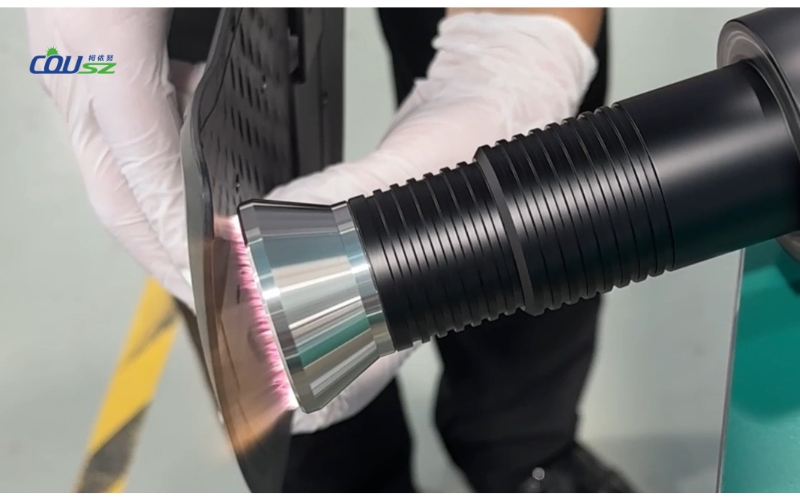
Applications of Plasma Surface Cleaning Machines in the Automotive Industry
5.4. Packaging and Printing Industry
In packaging manufacturing, plasma improves printing and bonding performance on various materials.
Applications include:
- Plastic packaging surface treatment.
- Improving printing ink adhesion.
- Activating plastic film surfaces.
- Supporting coating processes on packaging materials.
5.5. Medical Device Industry
Plasma can be used for cleaning and activating certain material surfaces during medical device manufacturing.
Technology selection must consider material compatibility, technical requirements, and applicable product standards.
6. Materials That Can Be Treated Using Plasma Machines
Plasma surface treatment machines can be applied to various material categories.
| Material | Plasma Treatment Applications |
|---|---|
| PP | Improving ink, adhesive, and coating adhesion |
| PE | Surface activation before printing or bonding |
| ABS | Improving adhesive and coating bonding |
| PC | Surface preparation before bonding or coating |
| PVC | Surface activation in suitable applications |
| Metals | Cleaning and activation before bonding |
| Glass | Cleaning and improving wettability |
| Composites | Surface activation before bonding or coating |
The treatment effectiveness for each material should be validated through practical testing and post-treatment quality evaluation.
7. Plasma Surface Treatment Process
To achieve optimal treatment performance, manufacturers should establish a process suitable for material characteristics and production requirements.
The basic process includes the following steps:
Step 1: Material Inspection
Identify the material type, product geometry, surface characteristics, and adhesion requirements.
Step 2: Preliminary Cleaning
Remove dust, oil, and contaminants that may affect plasma treatment effectiveness.
Step 3: Plasma Treatment
Select the appropriate equipment, treatment distance, power, movement speed, and other parameters according to the material.
Step 4: Subsequent Manufacturing Process
After plasma treatment, products proceed to adhesive bonding, printing, coating, or painting according to the validated process.
Step 5: Quality Inspection and Evaluation
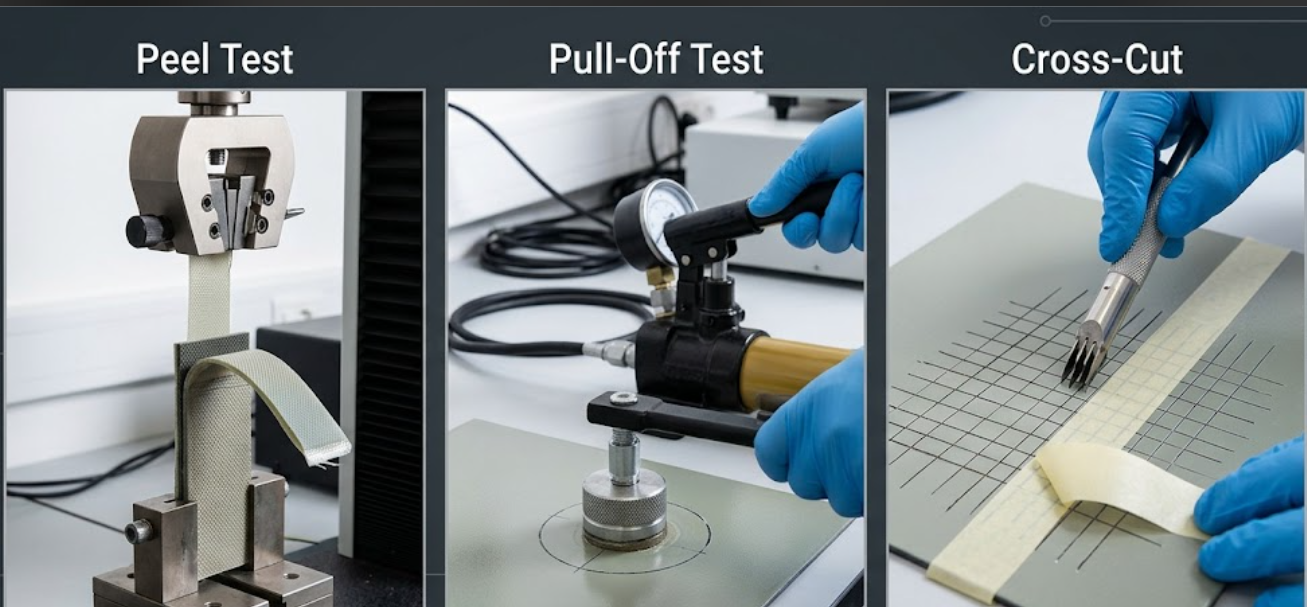
Evaluate treatment effectiveness using appropriate methods such as contact angle measurements, adhesion testing, or bonding quality inspection.
Controlling treatment parameters helps manufacturers maintain consistent product quality during mass production.
8. How to Select the Right Plasma Surface Treatment Machine
To select a plasma machine suitable for manufacturing requirements, companies should consider the following factors.
8.1. Material Type
Identify the specific materials to be treated, such as plastics, metals, glass, or composites, to select the appropriate plasma technology.
8.2. Surface Treatment Requirements
Determine whether the primary objective is surface cleaning, activation, adhesion improvement, or enhanced wettability.
8.3. Product Size and Geometry
Flat products, small components, and complex-shaped materials may require different treatment configurations.
8.4. Production Line Speed
The plasma machine should meet actual production speed requirements to ensure treatment efficiency and integration into manufacturing lines.
8.5. Automation Integration
For large-scale manufacturing facilities, companies should prioritize plasma machines that can integrate with robots, conveyors, and automated control systems.
8.6. Technical Support Capabilities
Manufacturers should choose suppliers that provide application consulting, product sample testing, and treatment parameter optimization.
9. Can Plasma Surface Treatment Completely Replace Traditional Methods?
Plasma is an effective solution for many surface treatment applications; however, it does not always completely replace traditional methods.
Treatment effectiveness depends on:
- Material characteristics.
- Surface contamination levels.
- Adhesion requirements.
- Manufacturing methods.
- Plasma treatment parameters.
- Environmental conditions and post-treatment timing.
In many applications, plasma can replace or reduce the need for primers, solvents, or chemical surface treatment methods.
However, certain materials or specialized bonding requirements may still require plasma to be combined with other surface preparation methods to achieve the desired quality.
10. Frequently Asked Questions About Plasma Surface Treatment Machines
What is a plasma surface treatment machine used for?
A plasma machine is used to clean, activate, and improve material surface properties, supporting better adhesion of adhesives, printing inks, coatings, and paints in industrial manufacturing.
Can plasma machines treat PP and PE plastics?
Yes. Plasma can activate PP and PE surfaces, improving surface energy and wettability. This is a common application in plastic manufacturing and printing industries.
Does plasma treatment change material geometry?
Plasma primarily affects the surface layer of materials. When appropriate treatment parameters are used, the process generally does not significantly change product geometry.
Can plasma machines be integrated into automated production lines?
Yes. Atmospheric plasma machines can be integrated with robots, conveyors, or automated manufacturing systems for continuous surface treatment.
Does plasma treatment improve bonding strength?
In many applications, plasma improves wettability and surface interactions, supporting better bonding performance. However, actual results depend on the material, adhesive or ink system, and treatment conditions.
11. Conclusion
A Plasma Surface Treatment Machine is an advanced technological solution that helps manufacturers improve material surface quality, enhance adhesion, and optimize industrial manufacturing processes.
With its ability to activate, clean, and improve surface energy, plasma technology is widely applied in plastics, electronics, automotive, packaging, medical devices, and various other manufacturing sectors.
Selecting the right plasma surface treatment machine, combined with appropriate treatment processes and operating parameters, can help manufacturers improve product quality, reduce defects, and enhance production efficiency.
Plasma Surface Treatment Solutions for Industrial Manufacturers
Are you looking for a surface treatment solution to improve adhesion, printing quality, or manufacturing efficiency?
Plasma surface treatment machines may be the right solution for your production line.
Contact us for plasma treatment solutions tailored to your materials, technical requirements, and actual manufacturing conditions.
We provide application consulting, equipment selection, and plasma treatment testing on product samples.