中文 (中国)
 Tiếng Việt
What are UV meters and why are they critical in UV curing systems?
UV meters are essential measurement instruments used to monitor UV intensity and UV energy in UV curing processes. By accurately measuring ultraviolet radiation, UV meters ensure that adhesives, inks, coatings, and resins are cured consistently and reliably.
This guide explains how UV meters work, what parameters they measure, common applications, and how to select the right UV intensity meter or UV energy meter for your production line.
1. What is a UV meter?
A UV meter is a specialized optical instrument designed to measure ultraviolet radiation within a defined wavelength range. It typically consists of a UV-sensitive photodetector, optical filters, signal processing electronics, and a digital display.
In manufacturing and laboratory environments, UV meters—also known as ultraviolet meters—are used to verify that UV light sources operate within optimal parameters. If UV intensity is too low, curing reactions may be incomplete. If it is too high, substrates can overheat, degrade, or consume excessive energy.
The difference between a high-quality product and a defective one often lies in precise UV energy control. Using calibrated UV meters helps standardize production, reduce variation, and improve overall efficiency.
2. Key Parameters Measured by UV meters
Modern UV meters focus on two critical parameters that define the performance of UV light sources.
2.1 UV intensity (irradiance)
UV intensity, measured in mW/cm², represents the instantaneous power of UV radiation applied to a surface. This value reflects how strong the UV light is at a specific moment.
UV intensity measurement is essential for checking lamp uniformity, verifying lamp stability, and detecting output degradation over time. Instruments such as a UV intensity meter or UV light intensity meter are widely used for this purpose.
2.2 UV energy (dose)
UV energy, measured in mJ/cm², represents the total amount of UV radiation delivered over a period of exposure. It is calculated by integrating UV intensity over time.
UV energy determines whether adhesives, coatings, or inks receive sufficient exposure to cure completely. Most UV material suppliers specify a minimum energy threshold required for proper curing. A UV energy meter or UV power meter is used to confirm that this requirement is met.
The relationship is straightforward:
UV energy = UV intensity × exposure time.
3. Classification of UV meters by wavelength range
Different UV applications require measurement at specific wavelength ranges. UV meters are therefore designed with defined spectral responses.
3.1 UVA meters (315–400 nm)
UVA is the most widely used wavelength range in industrial UV curing. UVA meters are commonly applied in electronics manufacturing, printing, coating, and adhesive bonding.
If you use LED UV lamps at 365 nm or 395 nm, selecting a UVA-sensitive instrument such as a UV radiometer or LED UV meter is essential for accurate measurement.
3.2 UVB meters (280–315 nm)
UVB meters are mainly used in material aging tests, environmental simulation chambers, and certain medical or laboratory applications. They help evaluate long-term material stability under UV exposure.
3.3 UVC meters (100–280 nm)
UVC radiation, typically around 254 nm, is widely used for disinfection and sterilization. A UVC light meter or UVA light meter / UVC light meter is critical for verifying effective germicidal dose levels in air, water, and surface disinfection systems.
4. How to choose the right UV meter for your application
Selecting the correct UV meter requires careful evaluation of several technical factors.
First, wavelength compatibility is essential. You must identify the exact wavelength of your UV source—whether it is mercury UV lamps, LED UV lamps, or germicidal UV—and select a meter with a matching spectral response.
Second, the measurement range must be sufficient. The UV meter should be capable of measuring intensities equal to or higher than the maximum output of your UV source to avoid saturation or inaccurate readings.
Third, calibration certification is critical. Professional UV meters should be supplied with a calibration certificate traceable to international standards such as NIST. This ensures long-term measurement accuracy and repeatability.
5. Economic benefits of investing in high-quality UV meters
Using professional UV meters provides measurable economic advantages in industrial production. Accurate UV measurement helps maintain consistent product quality across batches and production lines. It also allows early detection of lamp degradation, enabling timely replacement and extending equipment lifespan.
By avoiding under-curing or over-curing, manufacturers reduce material waste and optimize adhesive and coating consumption. Accurate UV energy data also enables higher conveyor speeds while maintaining curing reliability, improving overall throughput.
Additionally, UV meters help monitor UV leakage in the workplace, supporting compliance with occupational safety regulations.
6. UV meters available from COUSZ
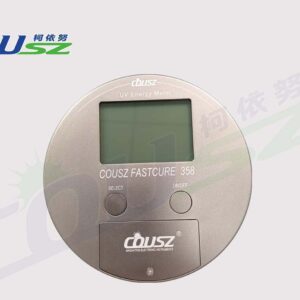
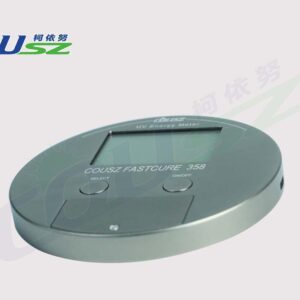
COUSZ provides a comprehensive range of calibrated UV meters designed for industrial UV curing, inspection, and quality control applications, including:
– EIT UV meter / ultraviolet meter
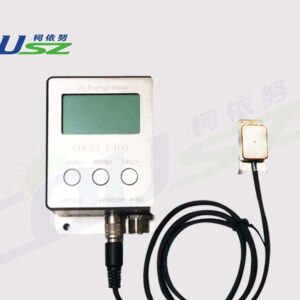
– F460 LED UV meter
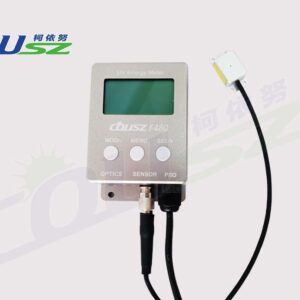
– F580 UV light tester
– CVY218 UV tester
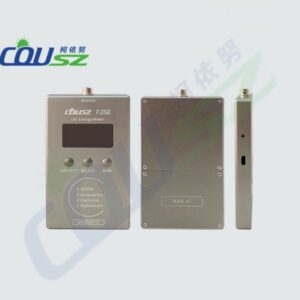
– F250 UV light meter
– F150 UV light intensity meter
– CVM365 UV intensity meter
– CVM385 UV light radiometer
– CVM25 UV radiometer
– 365nm UVA light meter / UVC light meter
– 405nm UV power meter
– CVY03 UV energy meter
All COUSZ UV meters are carefully calibrated and tested to ensure reliable, repeatable measurement performance in demanding production environments.
Conclusion
UV meters are indispensable tools for ensuring stable, efficient, and repeatable UV curing processes. By accurately measuring UV intensity and UV energy, they enable manufacturers to control curing quality, reduce defects, and optimize operational costs.
From UV radiometers and LED UV meters to UV energy meters and UVC measurement devices, selecting the right UV meter is a strategic investment in product quality and long-term manufacturing reliability.